Most EPS facades fail prematurely not because the foam itself degrades, but because contractors and builders order unfiltered polystyrene to save $0.50–$1.50 per square foot on material costs. The UV damage then appears silently for 5–7 years before anyone connects the problem to a specification choice made at contract signing. A 2,500 sq.ft. facade without translucent UV film costs $3,750–$7,500 less to install—but the homeowner absorbs $25,000–$40,000 in replacement costs by year 8–10 when the surface becomes unusable.
What UV Degradation Does to Unprotected EPS Polystyrene
Expanded polystyrene (EPS) foam exposes millions of small spheres that trap air for insulation and structural lightness. When sunlight hits unprotected foam, ultraviolet radiation breaks the chemical bonds that hold those polymer chains together—a process called photodegradation. Without a translucent UV filter, the foam surface becomes chalky and brittle within 3–4 years; by year 5–6, it begins to pit, crack, and crumble under routine thermal stress and weather cycling.
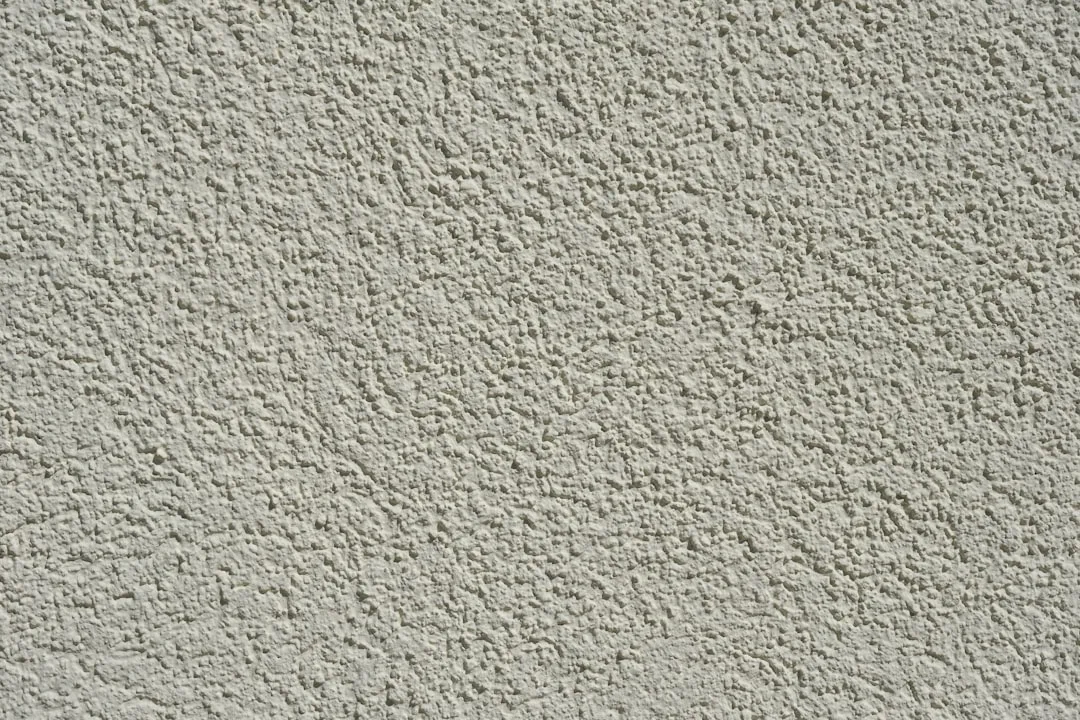
Field experience shows that unprotected EPS facades in direct sunlight degrade fastest on south and west exposures. The surface color shifts from cream to yellow-brown within 24 months, then develops a powdery texture that washes off during heavy rain. This cosmetic failure often triggers calls to contractors, who then discover that finish coats no longer bond properly to the compromised foam beneath.
Why Contractors Skip UV Film: The 5-Year Invisibility Gap
Translucent UV protection film costs $2–4 per square foot when specified and factory-applied. For a typical residential facade (2,500 sq.ft.), that adds $5,000–$10,000 to the contract. The contractor or developer saving $5,000 by ordering unfiltered foam appears to deliver a lower bid today, and the damage doesn’t appear in photographs or inspection reports until year 4–5—long after the contract closes and the contractor has moved to the next project.
Building codes (ASTM C1622, EN 13823) require UV stability testing for EPS products, but they don’t mandate UV film on facades. Codes set minimum safety requirements; they don’t force best practices. A contractor can legally specify unprotected EPS, and the liability timeline often expires before visible damage appears. By the time a homeowner notices chalking or color loss, the original installer is unreachable and warranty periods have lapsed.
Comparing Unfiltered vs. UV-Protected EPS: The 5-Year Cost Difference
| Factor | Unprotected EPS | UV-Protected EPS |
|---|---|---|
| Material cost (per sq.ft.) | $3.50–$5.00 | $5.50–$9.00 |
| Year 1–3 appearance | Acceptable | Excellent |
| Year 4–5 surface condition | Chalky, color-faded | Stable, minimal change |
| Typical service life | 8–12 years (full replacement by year 10) | 15–20 years (touch-up only by year 12) |
| Cost to re-coat at year 5 | $8–12/sq.ft. (surface prep required) | $3–5/sq.ft. (routine maintenance) |
| Total 10-year cost (2,500 sq.ft.) | $35,000–$50,000 | $25,000–$32,000 |
How Translucent UV Film Works in EPS Facades
Translucent UV protection film does not block all light—it absorbs wavelengths between 280–400 nanometers (UVA and UVB) while allowing visible light to pass through. This preserves the aesthetic appearance of the foam while preventing photodegradation. The film is either factory-applied during EPS manufacturing (integrated into the outer layer) or laminated as a separate facing during production, creating a bond that lasts the life of the foam.
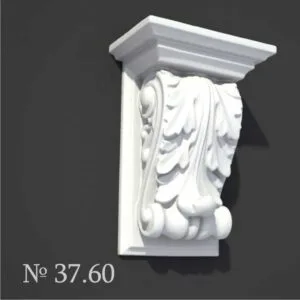
Premium EPS products from manufacturers like Styrofoam™ (Dow Chemical) and Kingspan K-flex come pre-coated with UV-stabilized resin. Budget expanded polystyrene—often imported or locally manufactured—often ships unfiltered. When specifying exterior foam moldings and facade elements, contractors should request UV-stable grades and confirm factory certification on the bill of materials.
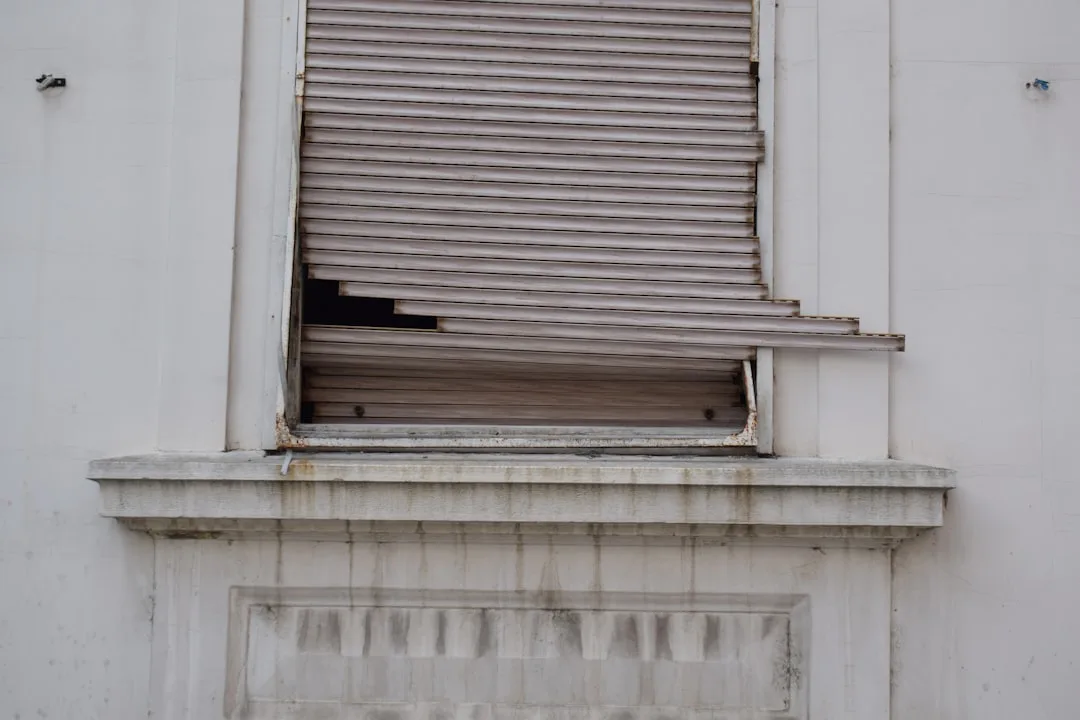
Installation technique matters too. If unprotected EPS sits on a job site exposed to direct sunlight for more than 2–3 weeks before installation, surface degradation begins immediately. Field experience shows that foam stored vertically under tarps degrades slower than foam left flat and uncovered. Once installed, decorative window sills and other horizontal elements without proper UV film show water staining and color loss first because they receive uninterrupted solar exposure.
Real-World Failure Patterns: 5-Year Accelerated Aging
Contractors report consistent patterns: unprotected EPS facades installed in 2015 show significant chalking and color loss by 2020. Protected facades from the same period look nearly unchanged. The difference is not in installation quality or climate exposure—it’s the presence or absence of UV film. Thermal cycling (freeze-thaw in winter, intense sun in summer) accelerates the damage because the foam surface becomes brittle and contracts faster than the stable interior, causing micro-fractures.
Saltwater exposure (covered in detail in coastal EPS facade failures) compounds UV damage. Without UV film, the foam surface becomes porous and absorbs salt spray more readily; the combination of UV degradation and salt crystallization creates surface pitting that looks like corrosion. Homeowners in coastal zones who choose unprotected EPS see visible damage within 3–4 years, not 8–10.
Specification and Cost Control Without Cutting Corners
The legitimate cost-control approach is to specify UV-protected EPS but reduce decorative complexity, not to choose unprotected foam on the same facade design. A 2,500 sq.ft. facade with simple horizontal molding and UV-protected EPS costs less long-term than the same design with unprotected EPS and elaborate cornices. Material cost difference: $5,000–$10,000 for UV film. Replacement cost by year 8–10: $25,000–$40,000.
Building codes and ASTM standards (ASTM C578 for rigid foam insulation; ASTM C1622 for EPS) specify UV exposure testing, but performance grades vary widely. Contractor responsibility begins with reading the product data sheet and confirming that the EPS carries UV-stability certification. If the spec sheet does not explicitly mention UV protection or provides no accelerated weathering data, the foam is likely unfiltered.
Homeowners and contractors should request UV-protective specifications in writing and require samples for visual inspection before large orders. Many EPS suppliers will quote two prices: one for standard foam and one for UV-protected grades. The $2–4 per square foot premium is justified by the 7–8 year extension in service life.
Long-Term Maintenance Planning
EPS facades with translucent UV film require routine maintenance—annual cleaning and inspection for cracks or moisture entry—but do not require full surface re-coating or replacement within 15–20 years. Unprotected EPS facades typically need complete replacement or major re-coating by year 9–11, a project that costs $25,000–$40,000 for a typical residential facade and requires temporary staging, dust control, and exterior access for weeks.
The UV degradation pattern also affects finish adhesion. Elastomeric coatings and acrylic finishes bond poorly to chalky, UV-damaged foam. A contractor attempting to re-coat an unprotected EPS facade at year 5–6 must first sand or grind the surface, remove all loose material, and apply primer—adding $8–12 per square foot to costs. Starting with UV-protected EPS eliminates this surface preparation step.
Building appraisers and home inspectors now routinely identify chalked EPS facades as deferred maintenance, which reduces appraised value by 3–8 percent. A $400,000 home with a compromised $30,000 EPS facade renovation loses $12,000–$32,000 in appraised value before any structural issues appear. Specifying UV-protected EPS from the start prevents this valuation penalty.