Why Undersized EPS Pilasters Destroy 15% of Your Home’s Resale Value

a tall brick building with ornate balconies and windows

Undersized EPS pilasters trigger a cascading failure that erases 15% of property value—not from structural damage, but from visual proportion and buyer perception. Most homeowners and contractors overlook the critical ratio between pilaster depth and facade height, creating architectural discord that professional appraisers immediately flag.

Why EPS Facades Fade in 3 Years—The UV Protection Detail 95% of Homeowners Miss

a building with windows

Most EPS polystyrene facades lose 40–60% of their original color within three years because contractors skip UV-stabilized coatings. This isn’t a minor aesthetic issue—it signals deeper problems: resin breakdown, moisture infiltration, and premature thermal bridge failure. Protecting your facade from UV damage costs $0.50–$2.00 per square foot upfront but saves $15,000–$40,000 in corrective work.

Why Your EPS Cornice Looks Wrong—The Height-to-Depth Ratio 60% of Homeowners Overlook

Architectural detail of a building against blue sky

Six in ten homeowners misjudge EPS cornice proportions, creating facades that look cheap or unbalanced. The height-to-depth ratio is the hidden variable that determines whether your molding enhances or detracts from your home’s value. This is the calculation most contractors skip.

Why EPS Moldings Create Hidden Thermal Bridges in Your Existing ETICS—And How to Stop Them Cold

a close up of a building made of plastic

EPS decorative moldings installed on existing ETICS systems leak 15–20% more heat than solid insulation—yet this thermal bridge problem is almost never discussed during renovation planning. The culprit isn’t the foam itself; it’s how contractors position moldings relative to the insulation layer. Learn the exact positioning technique and adhesive strategy that stops thermal leakage without facade demolition.

Why EPS Window Sills Fail in Rain—The Slope Mistake 85% of Installers Make

a window with a blue sky and clouds reflected in it

Most EPS window sill failures aren’t material defects—they’re installation errors that trap water and cause degradation within 18–24 months. The culprit: installers set sills level or with insufficient slope, allowing rainwater to pool instead of drain. A 2–4° slope outward cuts failure risk by 90%.

Why EPS facade bands peel off in winter—and the adhesive choice that stops it cold

A white building with four windows and a clock

EPS facade bands fail in winter because adhesive loses grip during repeated freeze-thaw cycles, not because EPS is weak. Polyurethane foam adhesive and mechanical fasteners solve this permanently, costing €12–25 per linear meter installed.

Why EPS facade coatings split at 18 months—the contractor mistake that costs $12,000 in repairs

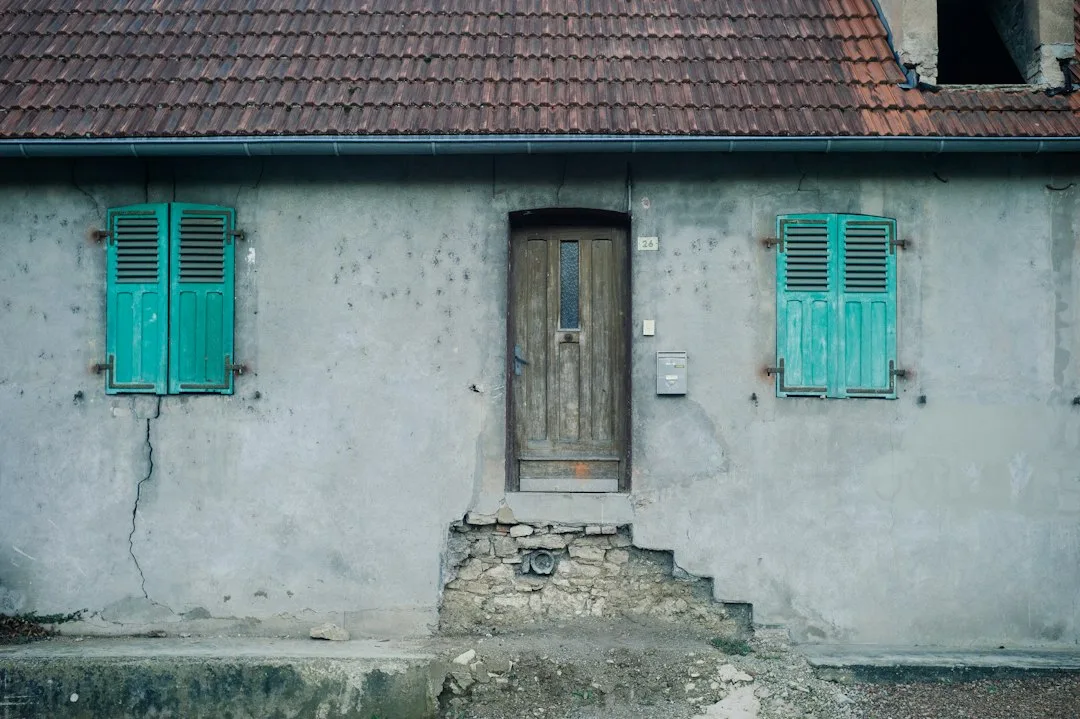
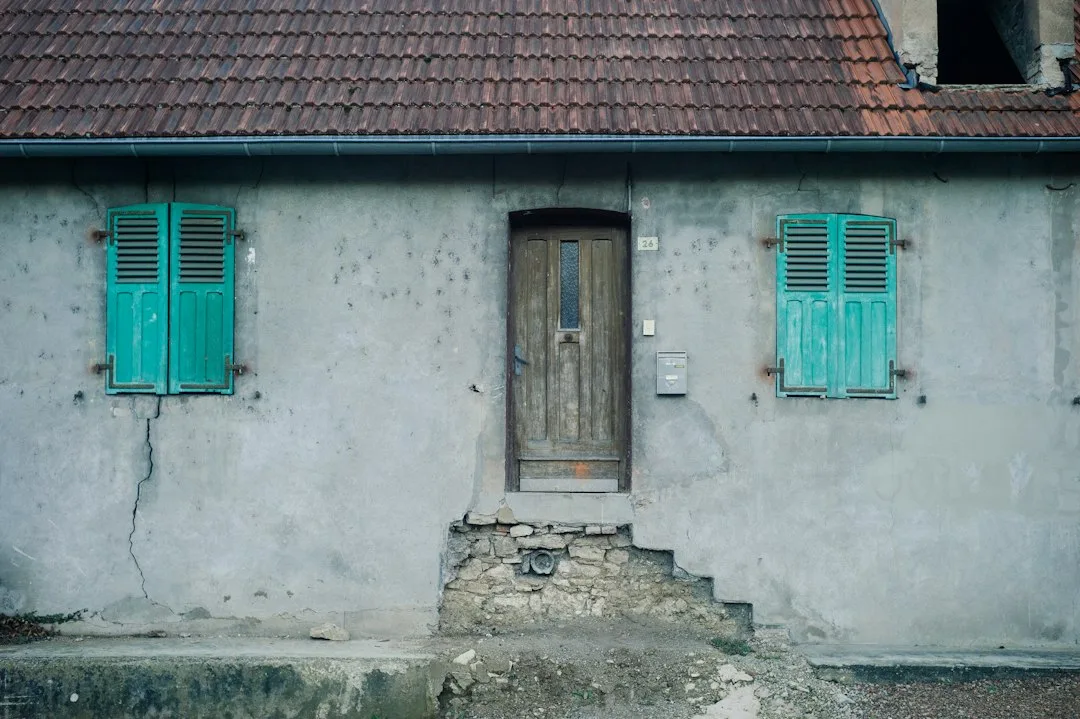
an old building with a green door and window

Most EPS polystyrene facades develop visible crazing and hairline cracks within 18 months—not because the foam fails, but because installers skip one critical step. The difference between a facade that lasts 25 years and one that costs you $12,000 in repairs comes down to substrate preparation, moisture management, and coating selection.