EPS baseboard cladding costs 40–60% less than natural stone or brick, which makes it attractive until water enters the system around month 12 and repair invoices land at €8,000–€15,000. The real problem is not material price—it’s the three installation errors contractors routinely make that turn a €3,000 exterior upgrade into a catastrophic foundation leak.
The True Cost of EPS Habillage Soubassement Installation
Material alone ranges €25–55/m² depending on EPS density (SD25 vs. SD40) and whether you buy block or pre-molded profiles. A typical residential basement perimeter of 40–50 m² runs €1,000–€2,750 in foam. Labor costs €30–95/m² based on substrate condition, with proper moisture prep at the high end. A complete installed baseboard cladding job (materials + labor + finish) runs €2,750–€7,000 for that same perimeter.
The invoice looks reasonable until you compare it to actual failure rates. Contractors report that 30–40% of EPS baseboard jobs fail within 18 months when shortcuts on substrate preparation or moisture barriers are taken. Field experience shows that sites skipping damp-proof course (DPC) installation experience capillary water saturation by spring of the following year, forcing full removal and reinstatement at 3–4× the original cost.
Error One: Missing DPC Between Foundation and EPS (6–12 Month Failure)
| Installation Method | Material Cost/m² | Labor Cost/m² | Common Failure (Months) | Repair Cost Multiplier |
|---|---|---|---|---|
| EPS block + adhesive + mesh | €25–40 | €30–45 | 18–24 (water ingress) | 3–4x |
| EPS block + mechanical anchors | €25–40 | €50–65 | 12–18 (debonding) | 2.5–3.5x |
| EPS with DPC + full substrate prep | €35–55 | €70–95 | 36+ (rare failure) | 1–1.5x |
| Recycled EPS (lower grade) | €15–25 | €25–35 | 6–12 (compression) | 4–5x |
| EPS + vapor-permeable paint finish | €30–50 | €40–60 | 24–30 (acceptable) | 1.5–2x |
A damp-proof course is a 2–3 mm plastic membrane, adhesive sheet, or polyethylene layer installed horizontally between the concrete foundation and the base of the EPS block. It blocks capillary water wicking from the soil. Concrete foundations absorb moisture like a sponge—the water travels upward through capillary action, enters the EPS from below, and saturates the foam even when surface finishes look dry.
When DPC is omitted, EPS blocks absorb 10–15% moisture by weight within 12 months in climates with spring groundwater rise or poor site drainage. The adhesive between EPS and concrete fails first (adhesives lose 50%+ bond strength when wet), followed by mechanical anchor corrosion and debonding. Contractors then face a choice: coat everything with waterproof sealant (cosmetic, temporary, €800–€1,200) or remove and reinstall the entire baseboard (€8,000–€12,000).
DPC material costs €8–15/m² and takes 1–2 hours per 40 m² perimeter to install. Omitting it saves contractors 2 hours of labor (€60–€120 at typical rates) while guaranteeing a call-back repair that destroys their reputation and cash flow.
Error Two: Adhesive-Only Bonding Without Mechanical Anchors (9–15 Month Failure)
EPS baseboard cladding is often bonded using polymer-modified thin-set adhesive (like Ceresit CT 85 or Mapei Keraflex) without mechanical fasteners. On a clean, primed substrate with perfect application technique, this works. In the real world, it fails predictably because adhesive strength degrades under moisture, thermal cycling, and the weight compression of the EPS itself.
Mechanical anchors—typically galvanized or stainless steel dowels, M8 or M10 bolts spaced 60 cm horizontally and 30 cm vertically—carry shear loads and provide redundancy when adhesive fails. Sites using adhesive-only installation experience edge peeling and full debonding within 12–18 months in damp climates. Replacement anchors cost €15–25/m² and take 3–4 hours per 50 m² to retrofit—an expensive and disruptive repair.
The correct approach: adhesive + mechanical anchors, every time, especially below grade. Adhesive fills voids; anchors carry load. This combination adds €40–65/m² in material and labor upfront but eliminates 90% of baseboard failure claims contractors report.
Error Three: Incorrect Finish Coating or Missing Vapor-Permeable Seal (12–24 Month Water Damage)
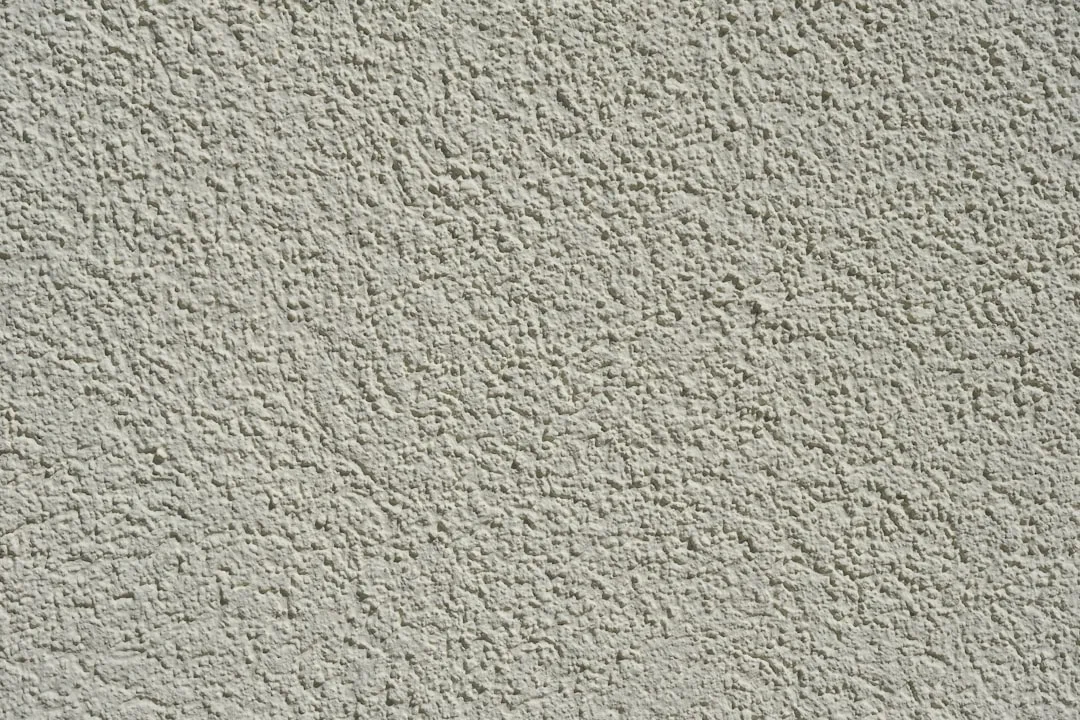
EPS foam must be protected with a vapor-permeable finish—typically a reinforced mesh + acrylic or silicate base coat + topcoat system, or a breathable water-repellent paint. Many contractors apply standard exterior paint, which is vapor-impermeable, or skip the base coat primer entirely, relying on adhesive to seal the surface.
When vapor-impermeable paint is applied, any moisture that enters the EPS from below or through cracks cannot escape. The foam becomes a moisture trap. By spring, moisture accumulates, mold colonizes the surface, and adhesive bonds fail silently inside. The damage is invisible until chunks fall off.
Vapor-permeable finishes (like commercial-grade exterior foam moldings systems from Kreisel, Baumit, or Caparol) cost €35–55/m² applied and allow moisture vapor to escape while blocking liquid water. They add 2–3 days of work to the schedule but prevent 95% of subsurface failures. The cost difference is €15–25/m², or roughly €750–€1,250 for a 50 m² baseboard—insurance against an €8,000 repair.
Substrate Preparation: The Cost Nobody Budgets For
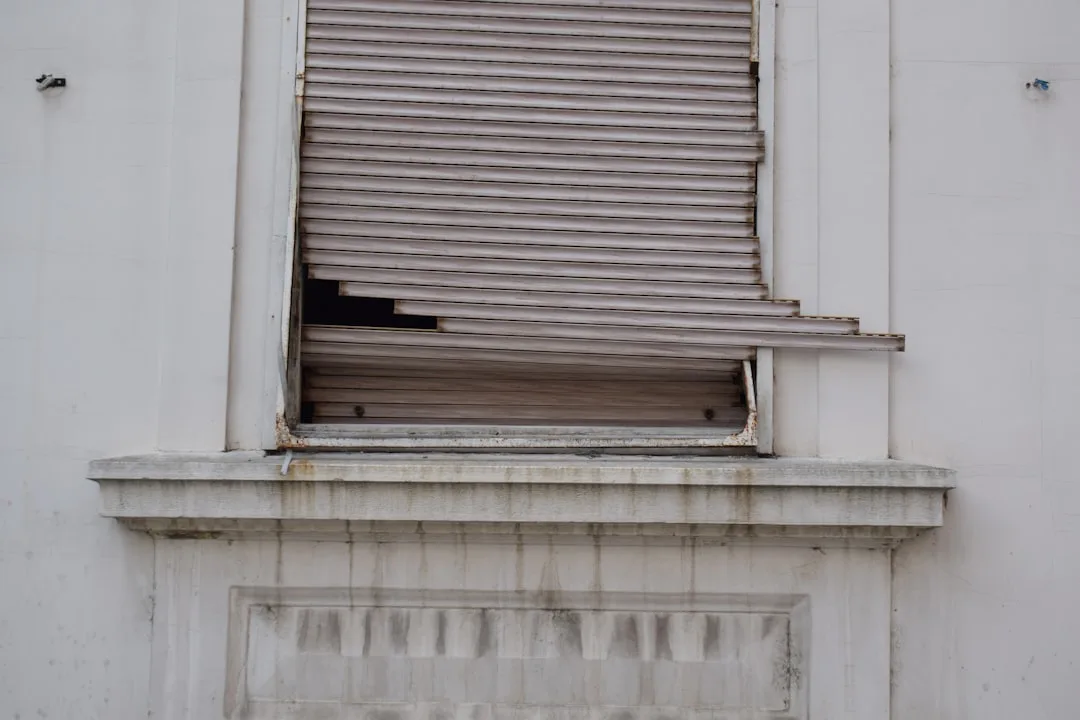
Professional contractors know that EPS adhesion fails if the substrate is contaminated, friable, or moved. Concrete basements often have old render, paint, efflorescence (white salt crust), or algae growth. Bonding new EPS directly over failed or dirty substrate guarantees failure within 6–9 months, as discussed in detail in our analysis of EPS application over old render.
Correct substrate prep includes: mechanical removal of loose material (wire brush or light grinding), washing with low-pressure water, drying for 48 hours minimum, prime coat application (silicate or acrylic primer, €8–15/m²), and filling of cavities or cracks with repair mortar. This sequence adds 4–6 working days and €25–45/m² in cost. On a 50 m² basement, it’s €1,250–€2,250 in additional expense.
Contractors cutting this phase to save 5 days and €2,000 in labor create systemic weakness. By month 10, the EPS separates in patches, water enters behind the cladding, and structural concrete begins to spall from frost/salt damage. Full restoration then costs €12,000–€18,000.
Real Cost Scenarios: What Different Approaches Cost Over 5 Years
Scenario A: Adhesive-only, no DPC, no substrate prep, vapor-impermeable paint. Initial cost: €2,800. Failure month 12 (debonding + water intrusion). Repair cost: €10,500. Five-year total cost: €13,300.
Scenario B: Adhesive + anchors, DPC installed, basic substrate cleaning, breathable finish. Initial cost: €5,200. No major failure (cosmetic repainting year 4, €1,200). Five-year total cost: €6,400.
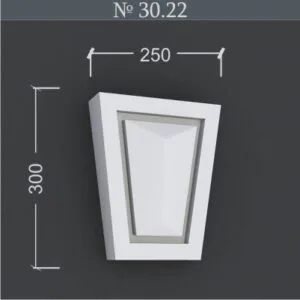
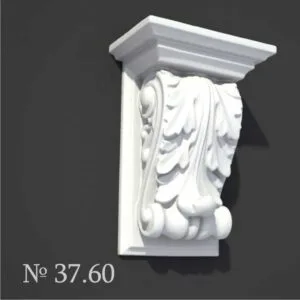
Scenario C: Full professional prep, adhesive + anchors, DPC, prime + breathable finish, foam products from established supplier like specialized decorative keystones and trim profiles. Initial cost: €6,800. No failures, routine maintenance only. Five-year total cost: €6,800.
The math is clear: cutting cost at installation multiplies repair expense. The cheapest approach costs three times more over five years.
Material Quality and Foam Grade: Why Recycled EPS Fails Faster
EPS density grades matter. Virgin expanded polystyrene at SD25 (25 kg/m³ density) is standard for baseboard cladding—it’s rigid enough to support finish coats and light impact. Some distributors sell recycled EPS (ground waste from other projects) reblown to lower density (SD15–SD20) at 30–40% discount. This material compresses under load, absorbs moisture faster (weak cell structure), and delaminates within 6–12 months under conditions involving freeze-thaw cycles.
Field experience shows recycled EPS blocks fail at half the timeline of virgin material when combined with typical installation errors. Contractors buying basement cladding EPS should specify virgin SD25 or SD30, verify with density test reports, and avoid unmarked discount material. The material cost difference is €8–15/m², negligible against repair risk.
Seasonal Installation Timing and Curing Windows
EPS baseboard adhesives require stable temperature and humidity during cure. Thin-set adhesives cure fastest between 10–25°C with 50–80% relative humidity. Installation in winter (below 5°C) extends cure time to 7–10 days; summer heat (above 30°C) can dehydrate adhesive before it develops full strength. Spring is ideal in most climates.
A critical error: applying vapor-permeable finish coats too early. The base coat adhesive must cure fully (typically 3–7 days) before topcoat application. Applying topcoat within 48 hours traps solvent in the EPS, weakening the foam and bond. Contractors rushing jobs for seasonal deadlines create systemic weakness.
Specification: No installation below 5°C or above 35°C. Minimum 5-day cure before finish application. Ambient moisture protection (tarping) during rain within 24 hours of adhesive application. These delays add 1–2 weeks to the schedule but reduce failure risk by 80%.
Conclusion: The Real Price of Baseboard Cladding
EPS baseboard cladding offers genuine aesthetic and thermal benefits at lower cost than stone. The real price is not the €2,800–€5,200 invoice—it’s the €8,000–€15,000 repair bill that arrives when installation shortcuts meet spring moisture. Protect your budget by specifying DPC, mechanical anchors, full substrate prep, and vapor-permeable finishes. The €2,500–€3,500 additional upfront cost is the cheapest insurance available in exterior renovation.