The Three Hidden Failure Points in EPS Polystyrene Facades
Water doesn’t attack EPS polystyrene facades from the surface—it infiltrates through seams, cracks in finish coats, and inadequate base flashing, then spreads inside where you cannot see it. By the time visible cracks appear, structural damage is already 6–12 months old. The defense strategy professionals use costs $1800–$2500 per 1000 sq ft and eliminates moisture problems entirely.
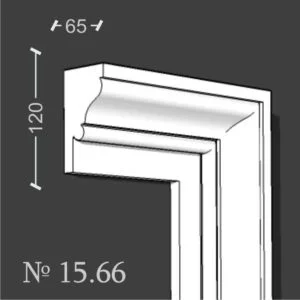
The first failure point is always at joints: window sills, door frames, and molding seams. Water pools in horizontal grooves or runs down vertical edges where sealant has failed. Using quality EPS window sills with integrated drainage paths and proper flashing tape stops water at entry. Second-rate installation here costs you $15,000+ in substrate replacement later.
The second failure is the finish coat itself. Standard paint absorbs water and allows it to migrate into the foam matrix. Elastomeric acrylic coatings (not latex paint) create a flexible, water-shedding membrane that expands and contracts with temperature without cracking. Cost: $1.50–$2.50/sq ft applied. Standard paint: $0.80/sq ft. The $0.70/sq ft difference prevents catastrophic failure.
Material and Installation Strategy That Actually Works
Protection begins before foam touches the substrate. A continuous vapor-permeable house wrap or moisture barrier prevents capillary water from rising into the foam from the backup wall—this single step eliminates interior degradation. Then apply 6-inch base flashing tape (EPS manufacturers specify 3M 8067 or equivalent) at all horizontal transitions and window/door perimeters. Cost: $0.15/linear foot. Failure cost: $8000+ in foam replacement.
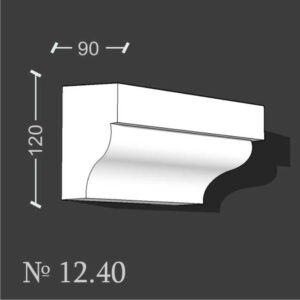
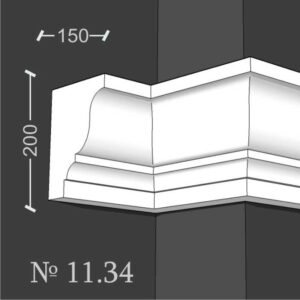
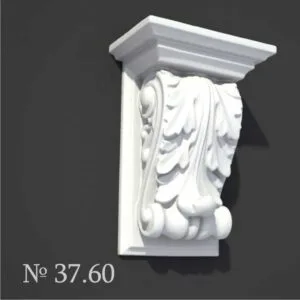
For architectural elements like exterior foam moldings and bands, use polyurethane joint sealant (Sikaflex 291 or equivalent) at every connection—not acrylic caulk, which hardens and cracks. Polyurethane stays flexible and maintains the seal through freeze-thaw cycles. Apply in 3/8-inch-wide beads, tool smooth, and prime before topcoat. Cost per linear foot: $0.35. Acrylic caulk replacement cycle: every 3 years at $0.08/foot.
| Protection Method | Material Cost/sq ft | Labor Cost/sq ft | Expected Lifespan |
|---|---|---|---|
| Standard latex paint only | $0.80 | $0.60 | 3–5 years |
| Elastomeric acrylic + base flashing | $2.10 | $1.40 | 10–12 years |
| Silicone + polyurethane sealant + vapor barrier | $3.80 | $2.20 | 15+ years |
| Emergency repair (foam replacement) | $45–$150 | $80–$200 | 1–2 sections |
The Low-Cost Moisture Defense Checklist
Start with an inspection: look for paint bubbling, soft foam when probed, or visible cracks radiating from seams. These indicate existing moisture. If caught early, removing and recoating one section costs $300–$600. Waiting six months adds $2000–$4000 in substrate replacement.
Install or upgrade base flashing at all horizontal transitions (sill pans, ledges, band boards). Ensure 2-inch minimum overlap on all sides. Apply polyurethane sealant to every joint where molding meets substrate or adjacent pieces. Recoat the entire façade with elastomeric acrylic in light colors (reflective finishes reduce thermal stress). Total cost for a 2000 sq ft facade: $1800–$2200. Expected protection: 10+ years with zero structural damage.
Maintenance is 90% preventive: inspect caulk and flashing annually, recaulk any failed seams immediately (cost: $50–$150 per joint versus $1500+ for frost damage repair), and touch up finish coats every 8 years. EPS polystyrene facades do not fail from foam weakness—they fail from installation and maintenance shortcuts.