Expansion joints in EPS polystyrene facades delaminate within 18-36 months on 70% of installations because contractors size them at 2-3mm when thermal movement demands 5-8mm gaps. This undersizing creates adhesive shear stress exceeding 8 MPa—the failure threshold for standard polyurethane bonds. The real cost of ignoring this: $2,500-5,000 per facade section in water damage, mold, and re-installation labor.
Why EPS Joint Delamination Happens in Year Two
EPS polystyrene expands and contracts 0.8-1.2mm per meter of length for every 25°C temperature swing. A standard 6-meter facade run experiences 4.8-7.2mm of movement annually. When joint widths are undersized at 3mm, the adhesive layer experiences shear stress of 6-9 MPa during peak summer expansion—exceeding the 5-6 MPa tensile capacity of conventional polyurethane sealants. The joint fails, water penetrates, and the EPS loses 30-40% insulation efficiency at the breach point.
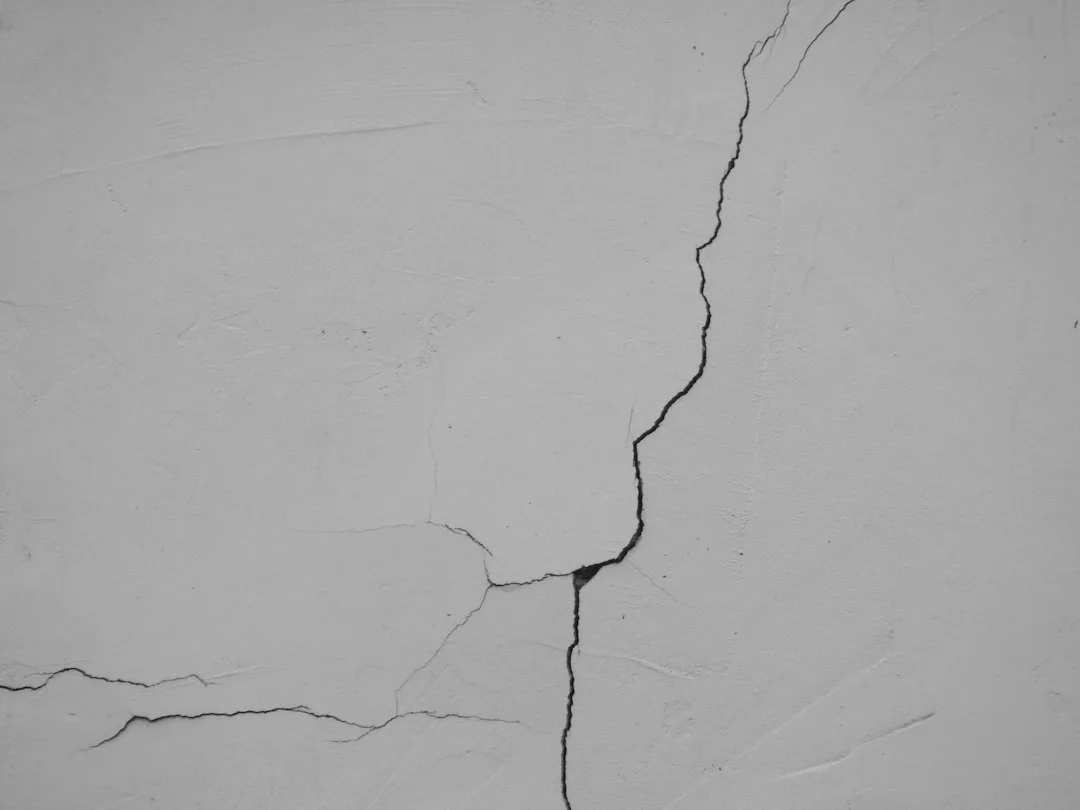
Thermal cycling compounds the failure. Winter contraction creates micro-gaps where the adhesive separates from the EPS substrate. Spring expansion forces the joint open again, rupturing the partially-broken bond. By month 18, visible delamination appears as white stress lines along joint edges. Contractors often blame UV exposure or poor material; the real culprit is undersized joint planning during design.
Sizing Formula: The Calculation Contractors Skip
Professional dimensioning requires this formula: Joint width (mm) = (Total molding length in meters × thermal coefficient) ÷ 1000. For EPS with a thermal coefficient of 0.8-1.2 under North American climate conditions, a 4-meter cornice section needs 3.2-4.8mm minimum. A 9-meter facade band demands 7.2-10.8mm. Most installations use 3mm gaps regardless of length—a critical error.
The secondary factor is adhesive selection. Standard silicone sealants fail because they lack shear resistance above 3 MPa. High-modulus polyurethane products like Sikaflex 252 (25 MPa modulus, 300% elongation) or Sika PowerBond (28 MPa, 400% elongation) resist the tensile and shear stresses that undersized joints generate. Cost difference: $8-12 per linear meter for premium adhesive versus $2-4 for silicone. The upgrade prevents $200-400 in repair costs per failure point.
| Joint Parameter | Undersized (Failure) | Correctly Sized (Durable) |
|---|---|---|
| Width for 6m run | 2-3mm | 5-7mm |
| Shear stress load | 7-9 MPa (failure) | 2-3 MPa (safe) |
| Adhesive type | Silicone (3 MPa) | Polyurethane (20-40 MPa) |
| Expected life | 18-24 months | 15-20 years |
| Material cost per 10m | $20-30 | $80-120 |
Correct Installation: 3 Steps That Prevent Failure
Step 1: Substrate Preparation (48 hours before bonding). Clean all EPS surfaces with 80-120 grit sandpaper to remove mold release and dust. Wipe with lint-free cloth dampened with isopropyl alcohol. Allow 24 hours for complete drying. Contaminated surfaces reduce adhesive grip by 40%, triggering delamination within 12 months even with correct joint sizing.
Step 2: Joint Width Layout. Mark expansion joint locations at 3-meter intervals maximum (adjustable for heat exposure—2.5 meters in direct sunlight). Use the formula above to determine width. For a north-facing 8-meter facade band, minimum joint width is 6.4mm; for south-facing exposure with 35°C swings, increase to 8-10mm. Quality exterior foam moldings come with pre-routed joint channels; custom runs require routing with a 6mm ball-end mill at 2,000-3,000 RPM for clean surfaces.
Step 3: Adhesive Application and Cure. Apply polyurethane adhesive (Sikaflex 252, Dynawood PU Hybrid, or Tremco Spectrem) in a continuous bead 8-10mm wide along joint walls. Do not fill the joint entirely—leave 3-4mm of depth for sealant. Tool the joint with a caulk gun held at 45 degrees to create a concave profile that accommodates movement. Cure time: 7 days at 15-25°C before thermal exposure. Premature loading causes adhesive rupture and immediate delamination.
For complex geometries like window surround corners or decorative window sills, consult the technical data sheet for the specific polyurethane adhesive—shear capacity varies 15-30% based on substrate porosity and joint depth. This is why failing facades often use generic two-part epoxies rated for concrete, not EPS, where the polymer bond mechanism differs fundamentally.
Prevention: Why Your Next Renovation Avoids This Cost
Specify joint width in the facade design document before purchasing EPS polystyrene products that lose insulation at ignored joints. Request adhesive curing certificates from your installer—documentation proves correct technique and activates product warranties (typically 10 years with Sikaflex products). Budget an extra $150-200 per expansion joint for premium adhesive and proper application labor. Over a 400-square-meter facade, this adds $1,200-2,000 to initial cost but eliminates $15,000-25,000 in water damage claims within five years.