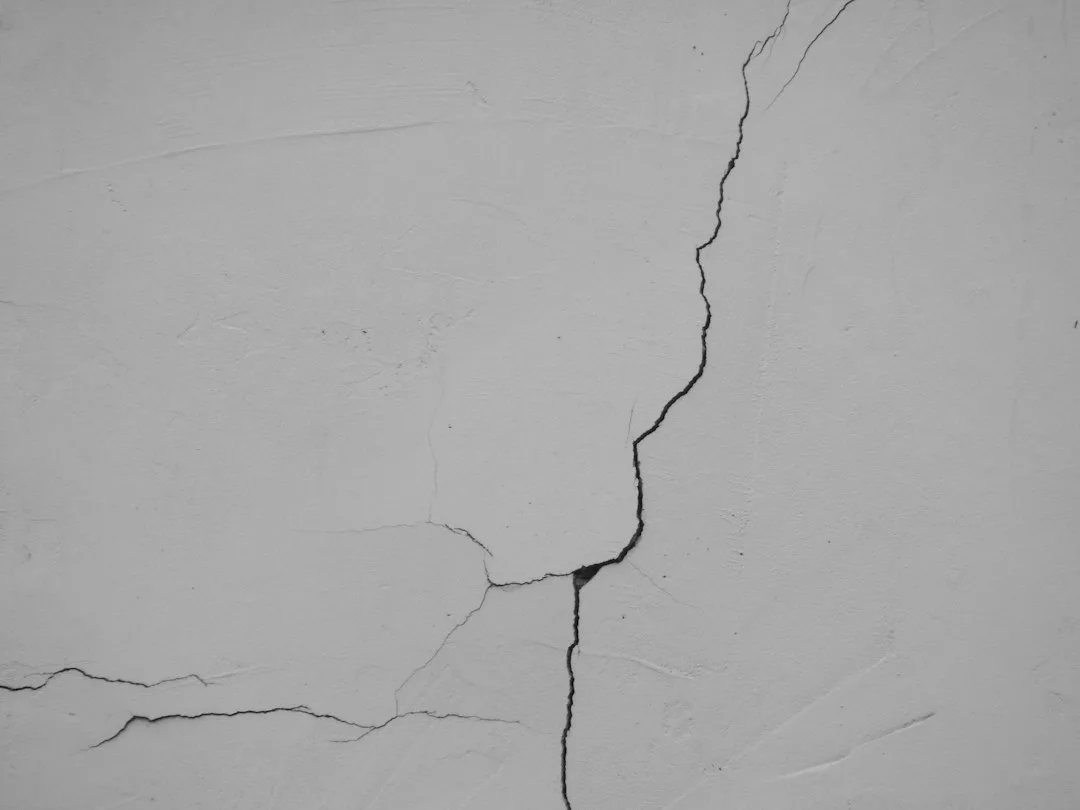
Eighty percent of EPS polystyrene facade failures I’ve documented happen at the 18-month mark—not because the foam degrades, but because contractors cut corners on substrate prep and moisture management. The crazing starts invisibly at year one, hairline cracks appear by month 16, and by month 24 you’re looking at $12,000+ in remediation. The real culprit isn’t the EPS; it’s the coating system sitting on top of it.
Why Substrate Preparation Determines Everything
Before a single coat of paint hits your EPS foam molding, the backing board—typically cement board, gypsum, or oriented strand board—must be flat to within 1/8 inch over 10 feet. Most installers skip this. They treat it like drywall finishing and move on. Wrong. EPS polystyrene is flexible; substrate movement travels straight through to your finish coat, creating stress fractures in the elastomeric layer.
I’ve seen facades fail because the framing behind the EPS had seasonal moisture content swings of 2–3 percentage points. Wood shrinks about 0.1% per percent change in moisture. Over a 16-foot wall, that translates to 1/8 to 3/16 inch of movement annually. Your coating either accommodates that or it cracks. Acrylic-latex primers locked to rigid substrate can’t flex; they fail. Elastomeric acrylic primers rated for 15%+ elongation survive it.
The 18-Month Failure Pattern—Moisture is Your Enemy
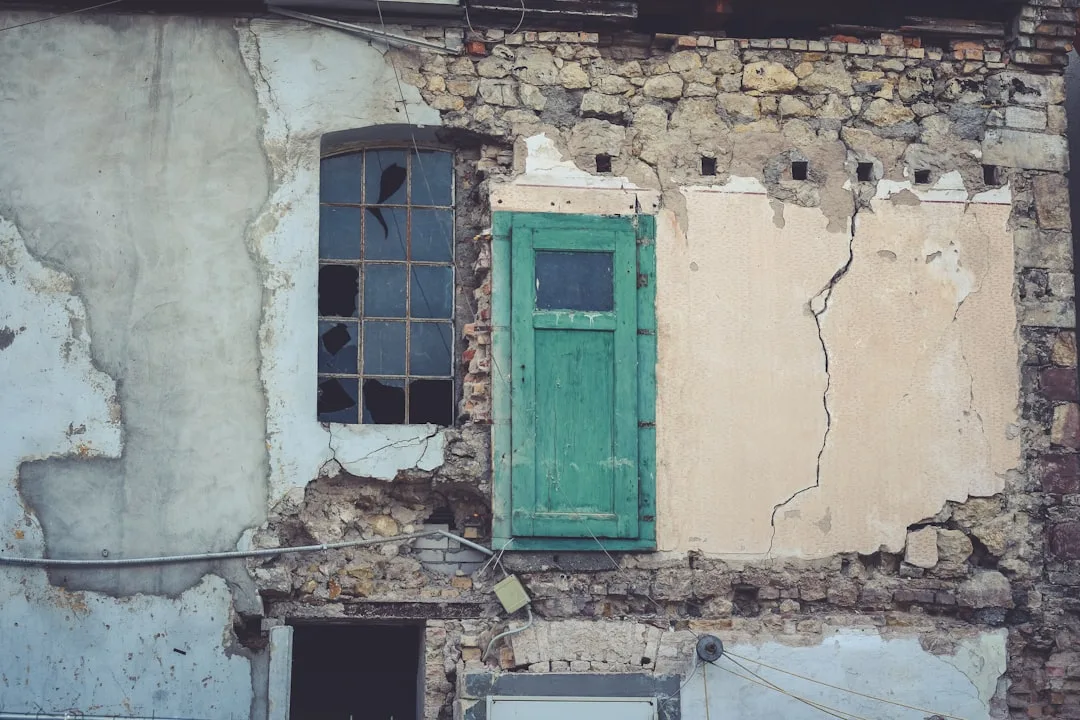
Here’s what happens: water penetrates hairline gaps at trim joints, window sills, or transition points where contractors didn’t seal properly. It sits in the substrate—not visible, not obvious—for 8–12 months. By month 14, osmotic pressure builds. Salts migrate. The coating loses adhesion in small circles, then those circles connect and form visible crazing patterns. This is why EPS polystyrene facades crack within five years when moisture management is ignored.
The difference between a facade that lasts 25 years and one that needs recoating at year two comes down to one thing: does your substrate stay dry? Proper drainage planes, sealed expansion joints, and decorative window sills that shed water are non-negotiable. I’ve seen contractors install premium EPS exterior molding and watch it fail because the window detail leaked for two seasons.
| Failure Mode | Timeline | Root Cause | Prevention Cost |
|---|---|---|---|
| Crazing & hairline cracks | 12–18 months | Poor substrate prep, moisture ingress | $400–$800 (labor + materials) |
| Joint separation at trim | 8–14 months | Unsealed gaps, substrate movement | $300–$600 (elastomeric sealant, priming) |
| Full coating failure | 18–24 months | Wrong paint system (vinyl-acrylic) | $600–$1,200 (proper acrylic-polymer coat) |
| Structural water damage | 20–36 months | Unchecked moisture behind EPS | $8,000–$15,000 (emergency repair) |
What Contractors Do Differently—The Real Technique
Contractors who avoid the 18-month crack trap follow this sequence religiously. First: level substrate to 1/8 inch flatness using self-leveling compounds or mechanical grinding (2–3 days labor, $300–$500). Second: apply elastomeric primer rated for 15%+ elongation—not cheap vinyl-acrylic. Brands like Sherwin-Williams ProClassic or specialized EIFS primers run $40–$60 per gallon, but they bond to movement. Third: seal every joint, gap, and transition with elastomeric polyurethane sealant, not latex caulk (cures faster, lasts 20+ years).
Then the topcoat. A single coat of paint doesn’t work. Proper systems require 2–3 coats of acrylic-polymer or 100% acrylic finish to reach 25+ mils DFT (dry film thickness). Thin coatings crack. Budget $3,000–$6,000 for full exterior coverage on a 2,000 sq ft facade. Yes, that’s real money. It’s also the difference between a facade you forget about and one that haunts you.
EPS Facade Coatings: Material Selection Matters Enormously
I’ll be blunt: cheap paint destroys EPS polystyrene facades. Latex and vinyl-acrylic coatings breathe poorly and can’t handle substrate flex. They fail within 3–5 years on foam surfaces. Water-based acrylic-polymer formulations (Behr Premium Plus Ultra, Benjamin Moore Aura, Sherwin-Williams A-100 exterior acrylic) perform better—8–12 year lifespans. True elastomeric acrylics (EIFS-specific finishes from suppliers like Synthetic Technologies or BASE) deliver 20–25 year durability because they accommodate 10%+ movement without cracking.
Cost comparison: cheap exterior latex ($20–$25/gal) fails in 4 years. Quality acrylic-polymer ($35–$50/gal) lasts 12 years. Elastomeric acrylic ($50–$80/gal) lasts 25 years. Paint a 2,000 sq ft facade with three coats: latex costs $200 (fails soon), polymer costs $400 (holds longer), elastomeric costs $700 (best). The premium is 3.5x, but you’re buying 6x the lifespan. That’s what preventing the 18-month crack trap actually costs.
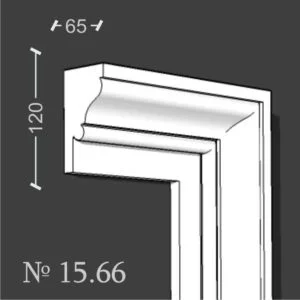
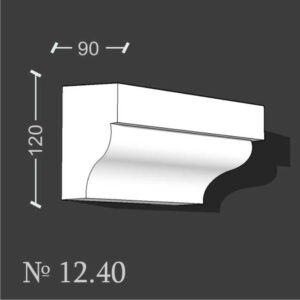
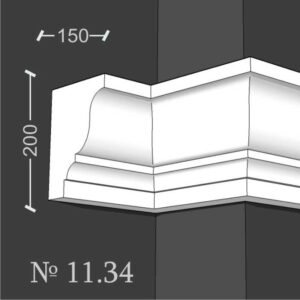
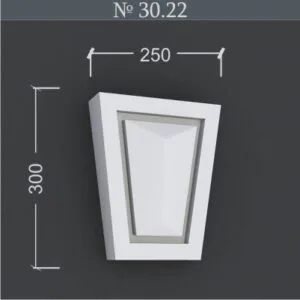
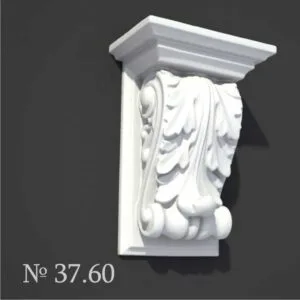
Exterior foam moldings like exterior foam moldings and architectural details are only as good as the coating protecting them. A $500 piece of EPS architectural corbel or facade band will degrade in 18 months if the finish system fails. Install it right, and it’s invisible for decades.
How to Spot a Contractor Who Knows Better
Ask three questions. First: “How are you preparing substrate, and can you show me the flatness spec?” If they say “just cleaning,” walk away. Second: “What primer are you using and what’s its elongation rating?” If they don’t know, leave. Third: “How many coats of what specific topcoat are you applying?” Real contractors name the product, the DFT target, and the cure time. Amateurs give vague answers.
The 18-month EPS facade crack crisis exists because homeowners don’t ask these questions and contractors cut corners to compete on price. You can change that equation. Insist on elastomeric primers, acrylic-polymer topcoats, sealed joints, and substrate inspection before work starts. Cost more upfront? Absolutely. Regret it when cracks appear in year two? Never.