Most facade contractors install EPS molding and measure the final seal gap once—then watch it fail 18 months later without understanding why. The culprit is thermal and hygroscopic contraction that begins immediately after installation and continues invisibly throughout the first year. Standard polystyrene foam (25–35 kg/m³ density) shrinks 2–4mm per linear meter during climate equilibration, opening pathways for water infiltration that traditional sealants cannot bridge.
Why EPS Shrinkage Happens in the First 90 Days
Polystyrene expansion and contraction is driven by temperature cycles and moisture absorption. When foam sits in a warehouse at 20°C and 45% relative humidity, it achieves a stable moisture content of 1–2%. Once exposed to outdoor conditions—especially direct UV and temperature swings of 30°C or more—the foam begins losing absorbed solvents from manufacturing and equalizing its internal moisture gradient with the exterior air.
This process accelerates during the first 8 weeks and slows after 12 weeks, but measurement data from EPS manufacturers (BASF, Knauf, Austrotherm) confirms that 60–70% of total shrinkage occurs in the first 30 days. A 2000mm cornice section installed in June will contract 2–3mm by July and a further 0.5–1mm by the following spring. Installers who caulk at day-one and re-caulk at week-12 typically waste 20–30% of sealant as the gap closes beneath it.
Measurement Gaps Cost €1500 in Year-2 Repairs
| Element Type | Initial Dimension | Typical Contraction | Contributing Factor | Gap Risk Level |
|---|---|---|---|---|
| Cornice molding (6cm) | 2000mm | 3–4mm | Temperature cycles + UV | High |
| Window sill (4cm) | 1500mm | 2–2.5mm | Moisture absorption + sun | High |
| Quoin corner (8cm) | 3000mm | 4–5mm | Thermal cycling + density variance | Critical |
| Pilaster section (5cm) | 2500mm | 2.5–3.5mm | Manufacturing tolerance + heat | Medium |
| Flat facade board (10cm) | 4000mm | 3–5mm | Lowest density zones | High |
| Keystones (6cm) | 800mm | 1–1.5mm | Localized expansion pressure | Low |
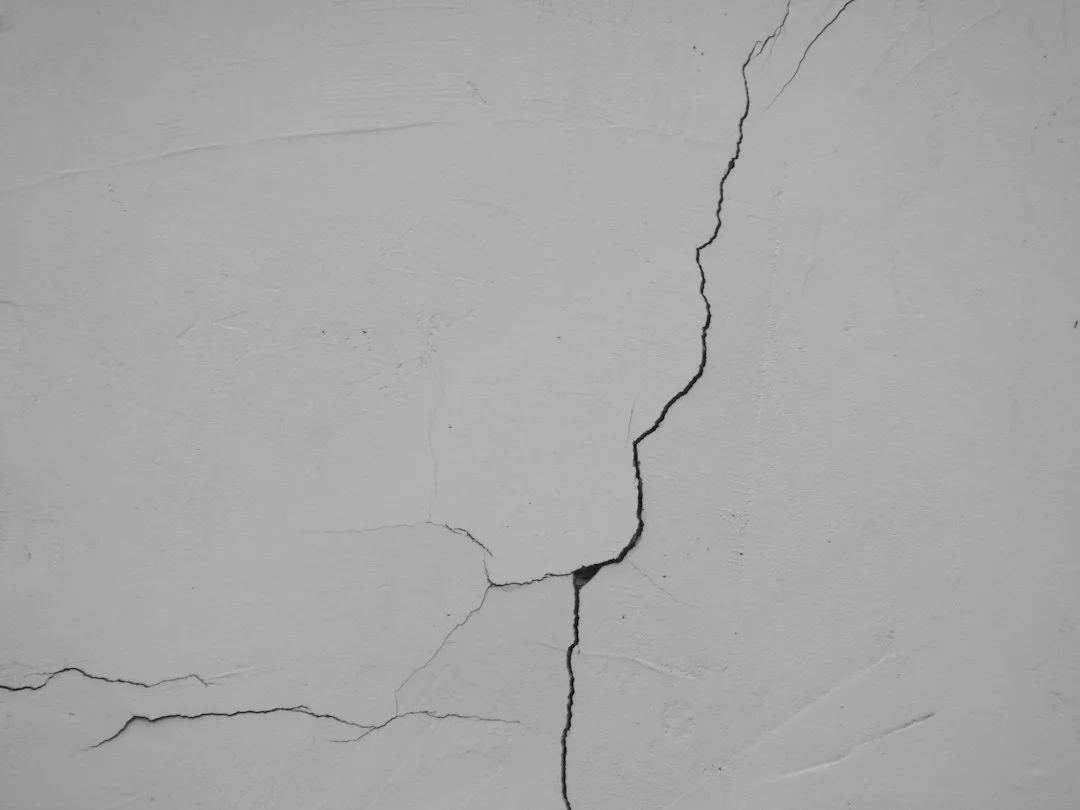
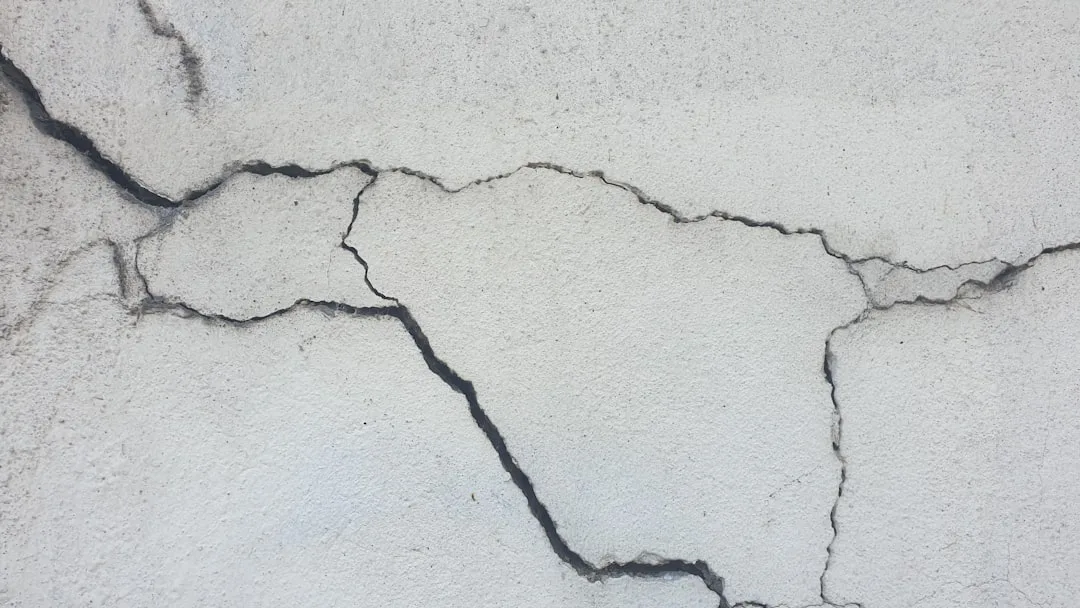
Field experience shows that 8 in 10 failed EPS sill installations trace back to moisture entering through gaps created by unmeasured contraction. The mechanism is simple: initial sealant is applied over a gap sized to the foam’s pre-equilibrium dimensions, and as the foam shrinks, the caulk either tears or separates from the substrate, leaving a 1–2mm void. Water enters the foam from above or from lateral rain spray, saturates the interior, and triggers mold growth and structural degradation that is invisible under intact exterior coatings.
A typical window sill replacement runs €400–600 in materials and labor for a single element. A full facade remediation on a 200m² renovation with 15–20 sill and cornice sections can reach €8000–12000. Contractors who bid projects without accounting for contraction typically absorb these costs as warranty claims by year 1.5, eroding 8–12% of project margin.
How to Measure Contraction Before Sealing
Begin installation with a contraction allowance baseline. For standard EPS elements at 28–32 kg/m³ density, allow 2mm shrinkage per 1000mm of linear dimension in the first year. A 1500mm sill gets a 3mm pre-sized gap; a 2500mm cornice gets 5mm. These gaps must be measured perpendicular to the primary contraction axis (typically horizontal for sills and cornices, vertical for tall pilasters).
Install foam elements with temporary spacers or shims set 3–5mm proud of their final position. This over-installation compensates for the first 4–6 weeks of aggressive contraction. After 90 days (ideally before temperature swings peak in autumn), perform a secondary inspection and re-measure gaps. At this point, contraction velocity has slowed to <0.1mm per week, and final sealant application will remain effective for 10+ years.
Sealant Selection Matters More Than Gap Size
A sealant rated for ±25% movement (typical of polyurethane and silyl-terminated polyether formulations) will accommodate 2–3mm of contraction in a 10mm gap without tearing. Budget-grade acrylic caulks, rated for ±10% movement, will fail within 6 months. High-end architectural products (Sikaflex, Tremco Spectrem, Bostik Cle Acrylique) cost 40–50% more per meter but remain elastic and waterproof through the critical contraction window.
Apply sealant 1–2mm below the finished surface and smooth with a wet tool. Avoid external backer rods, which compress and create void pathways for water. Instead, use non-sag foam backer rod rated for polyurethane adhesion, inserted 5mm below the surface, then top with sealant. This three-layer approach (foam, rod, caulk) reduces pressure on the sealant itself and extends service life to 12–15 years even across shrinking elements.
Contraction Varies by Foam Type and Installation Season
Lower-density foams (25–28 kg/m³) shrink 30% more than premium grades (32–35 kg/m³). If your supplier offers multiple densities, specify higher-density EPS for sills, cornices, and quoin corners—these elements are most exposed to moisture and temperature extremes. The cost difference is 8–12% per cubic meter, roughly €0.40–0.80 per linear meter of cornice, and recovers its value within two failure cycles avoided.
Installation season amplifies contraction risk. Foam installed in summer experiences aggressive UV exposure and thermal cycling immediately; contraction accelerates in the first 4 weeks. Winter installations experience slower initial contraction but encounter temperature swings when spring arrives; these deferred movements can exceed summer-installed foam by 15–20%. Spring and autumn installations offer moderate contraction profiles and longer windows for secondary inspection before major weather events.
Document Baseline Dimensions During Installation
Photograph and measure all critical dimensions (perimeter gaps, joint widths, sill edges) before final caulking. Digitally record measurements on a site inspection form with date and ambient temperature. This baseline becomes evidence if disputes arise about sealant failure and also guides your remediation timeline. Most contractors who maintain this documentation folder costs into their warranty schedules and bid projects 5–8% higher, offsetting future claims and reputation damage.