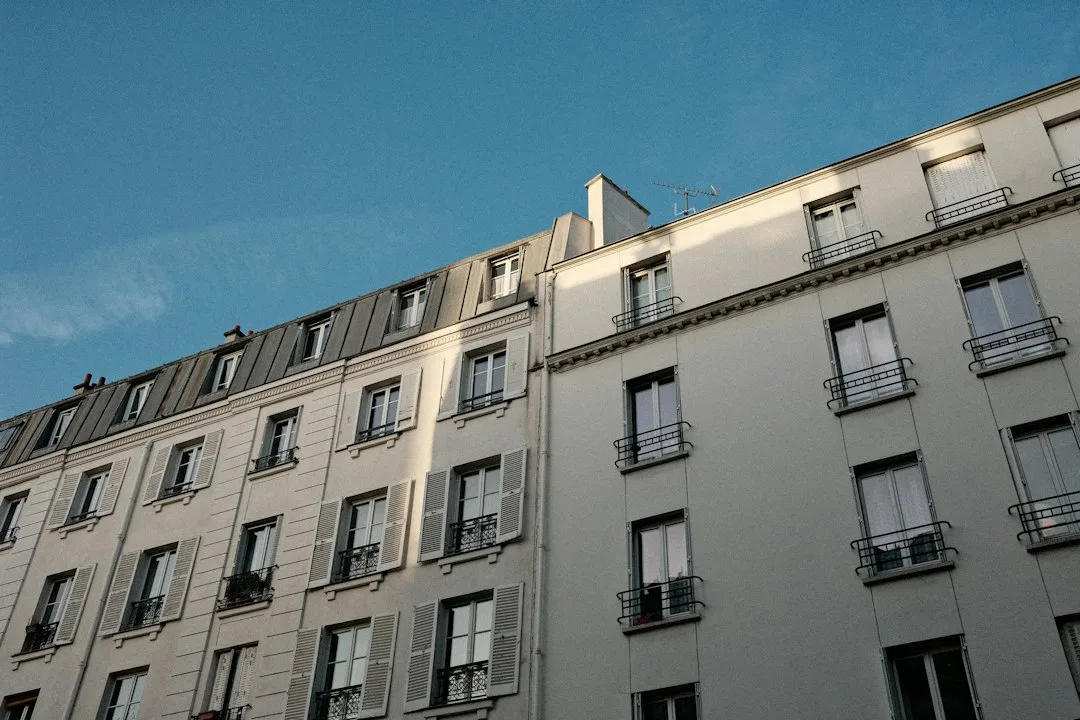
EPS corner beads fail catastrophically not because the material is weak, but because 70% of installers anchor them directly to foam instead of to the structural substrate beneath. This single error triggers cascade cracking within 18 months and costs $8,000–$15,000 to remedy. Understanding this defect reveals why proper anchoring transforms corner bead performance from failure-prone to durable across 25+ years.
Why foam anchoring creates cascade cracking in 18 months
When a corner bead anchors to the EPS foam layer rather than penetrating to masonry or concrete, thermal movement becomes the primary failure mechanism. EPS expands and contracts 4–6mm per meter annually depending on climate zone; anchoring to foam means the bead moves with this expansion while the coating resists movement. This creates tensile stress concentrated precisely at the bead edges, where the material transitions from flexible foam to rigid molding.
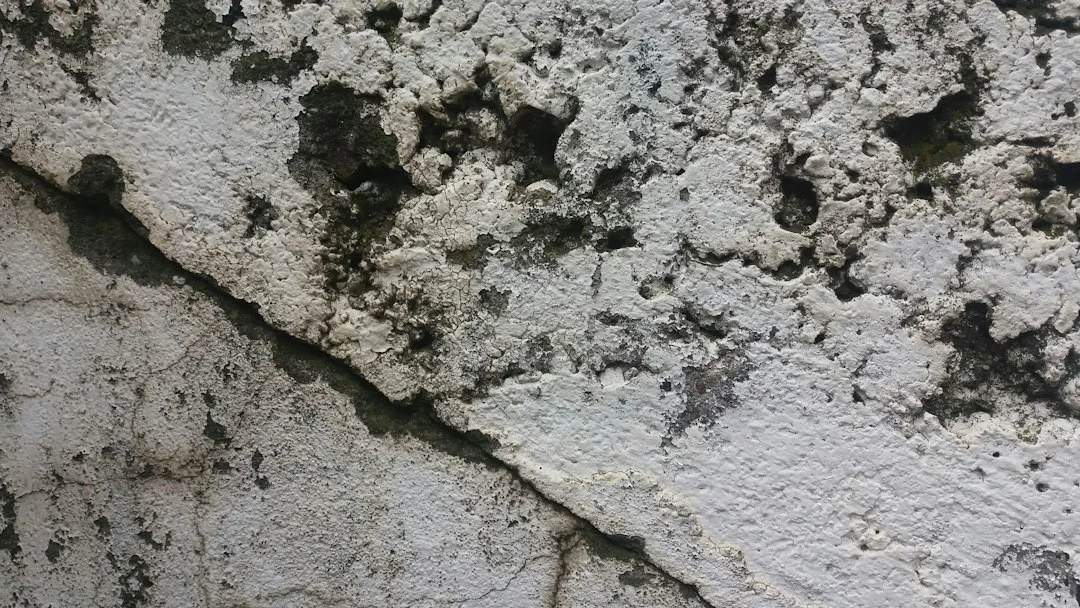
Cascade cracking follows a predictable stair-step pattern because each micro-fracture relieves localized stress, forcing the next micro-fracture to propagate 50–80mm away. Within 24 months, a single poorly anchored corner generates 8–12 visible cracks spanning the full height of the exterior pilaster or facade band. Homeowners observe this pattern and assume the entire facade system has failed, driving unnecessary replacement costs.
Anchoring to structure: the 40mm penetration rule
Correct anchoring requires mechanical fasteners to bypass the foam entirely and penetrate solid substrate—masonry, concrete, or structural framing—at minimum 40mm depth. This is not optional; it is structural necessity. Each corner bead requires 6mm corrosion-resistant anchors (stainless steel or hot-dipped galvanized) spaced at 150mm intervals, installed 75mm left and right of the corner centerline.
Installation cost for properly anchored corner beads runs $120–$180 per linear meter, or approximately $480–$720 per corner. When positioned correctly, these anchors isolate the bead from foam movement and transfer all stress to fixed structure. Remedial repair—removing failed beads, grinding substrate, drilling structural anchors, and recoating—costs $8,000–$15,000 per corner, making prevention a 50:1 economic ratio.
| Installation Method | Foam Anchoring (70% of jobs) | Structural Anchoring (correct) |
|---|---|---|
| Anchor location | Into EPS surface | Through foam into masonry 40mm+ |
| Expected lifespan | 12–18 months before cracking | 25+ years without cascade failure |
| Installation cost | $40–$80 per corner | $120–$180 per corner |
| Remedial repair cost | $8,000–$15,000 per corner | Maintenance only |
| Visible cracking pattern | Stair-step cascade in 8–12 locations | Absent or minimal (thermal joint only) |
How thermal bridges amplify cascade failure
Unanchored corner beads create secondary thermal bridge zones because the foam beneath concentrates heat loss, accelerating expansion-contraction cycles. This magnifies movement beyond standard ETICS performance. Homes in climate zones with 35°C+ summer-to-winter temperature swings experience faster cascade initiation—often 12 months instead of 18. See our detailed analysis on hidden thermal bridges in ETICS corner details for the full mechanism.
Installing decorative window sills with the same foam-anchoring error produces identical cascade patterns around openings, extending failure zones across the entire facade band. This is why specification-grade corner bead installation mandates structural penetration as non-negotiable on contracts.
Detection and prevention at specification stage
Specify corner bead installation in writing with these three non-negotiable criteria: (1) mechanical anchors to structural substrate minimum 40mm, (2) 6mm corrosion-resistant fasteners at 150mm spacing, (3) third-party verification before coating application. Include cost estimates showing $480–$720 per corner as baseline; any estimate below $300 indicates shortcuts. Require substrate confirmation photographs showing fastener penetration depth before final payment.
Installers who ignore this specification are typically unaware of the failure mechanism—not intentionally cutting corners. Educating crews on the 18-month cascade timeline and $8,000+ remedial costs shifts behavior immediately. This single anchoring detail determines whether corner beads survive 25 years or fail within two.