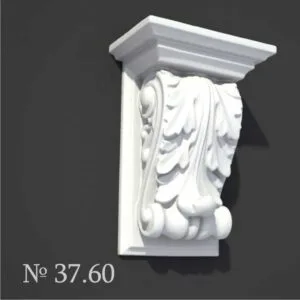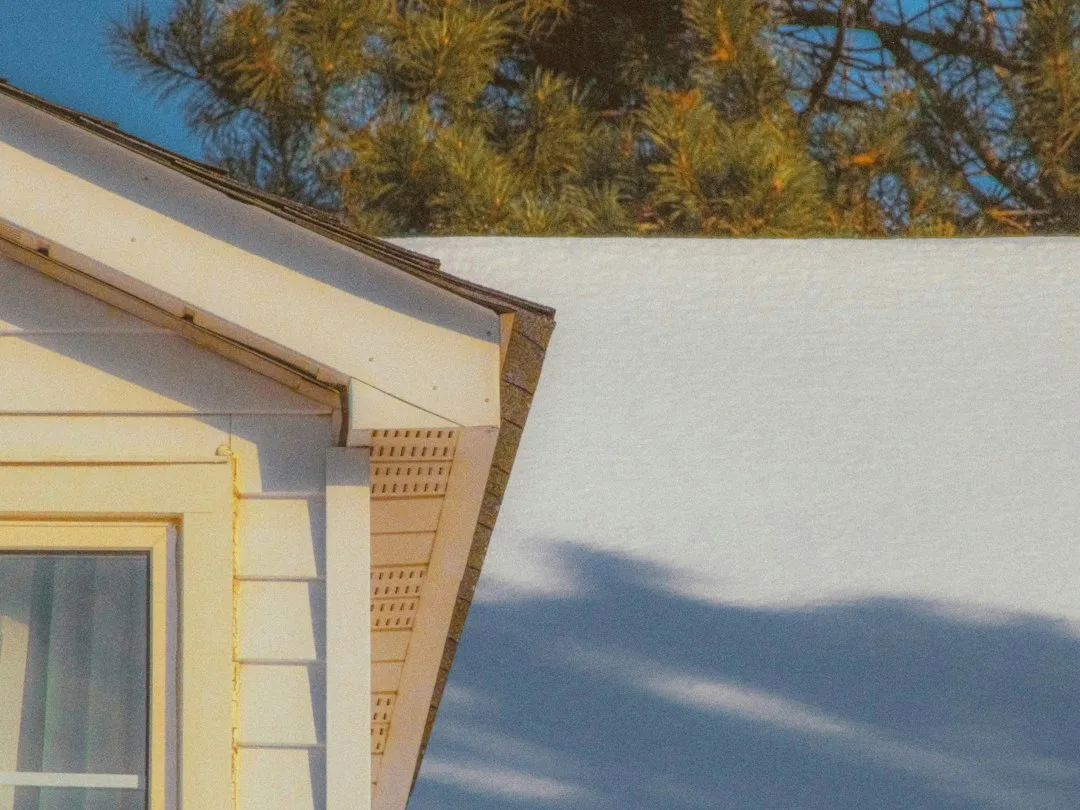
A single misaligned EPS facade decoration element—a poorly positioned window sill, an undersized overhang, a blocked drainage path—transforms a $3,000 installation into an $8,000–$12,000 structural repair within 18 months. Contractors and homeowners consistently underestimate how positioning determines whether EPS polystyrene survives two decades or fails catastrophically at year three. The math is brutal: corrective work costs exactly 3 times the price of proper placement, and that assumes the substrate can be salvaged.
Why Positioning Errors Trigger Cascading Failure in 18 Months
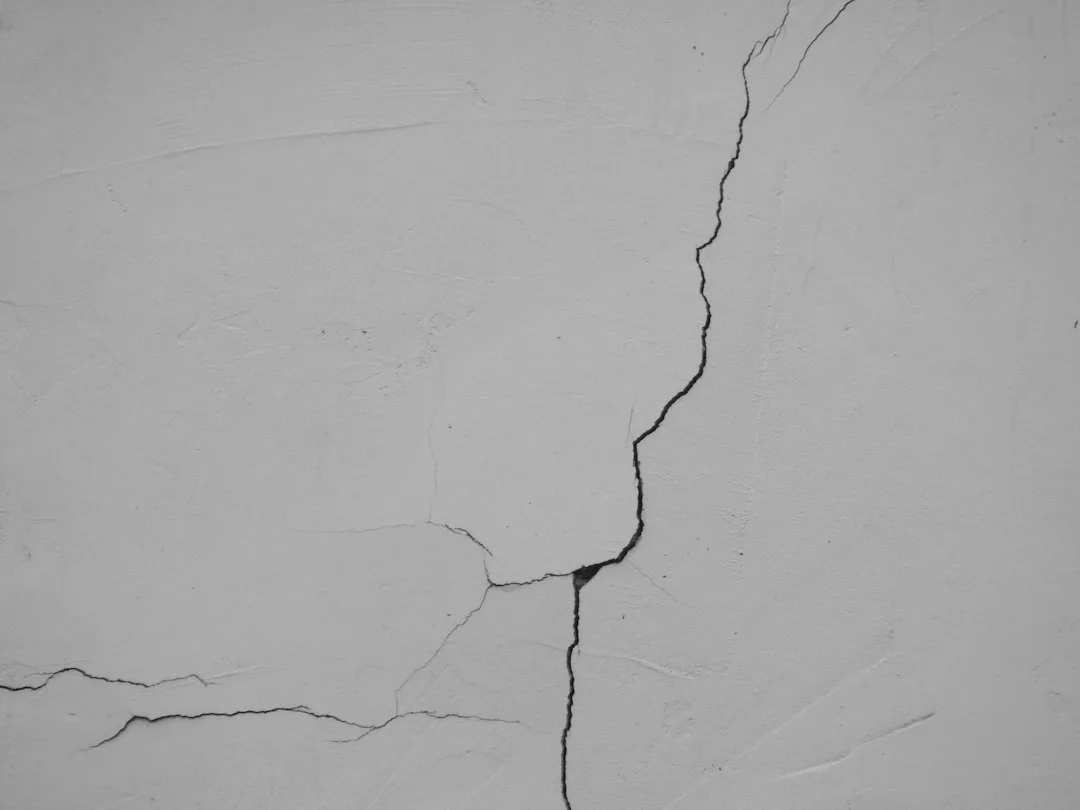
EPS facade decoration fails not because the material is weak, but because misalignment creates water intrusion zones. A decorative window sill installed with less than 1.5 inches of overhang allows runoff to migrate backward into the wall cavity instead of shedding away. Within 12 months, substrate moisture reaches 30%, accelerating mold, rot, and adhesive failure. By month 18, the damage extends 2–3 feet laterally, requiring full-element removal and structural remediation.
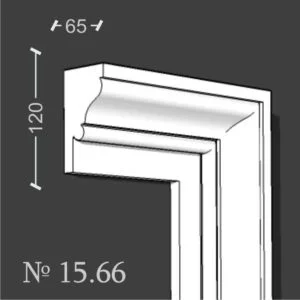
Architectural molding positioned flush against the facade (rather than standing proud with 0.75–1.25 inches clearance) traps moisture behind the element. EIFS finish systems rely on drainage planes; blocked planes turn architectural molding into a capillary pump. The cost to excavate, dry, and remediate the substrate runs $6,000–$8,000 alone—before reinstalling anything.
Cost Breakdown: Right Installation vs. Corrective Work
| Phase | Correct First Installation | Corrective Repositioning |
|---|---|---|
| Material (EPS element) | $400–$800 | $400–$800 |
| Adhesive, sealant, fasteners | $150–$300 | $150–$300 |
| Labor (4–6 hours) | $800–$1,200 | $400–$600 |
| Substrate inspection & prep | $200–$400 | $2,000–$4,000 |
| Moisture remediation (drying, foam removal) | $0 | $3,000–$5,000 |
| EIFS or coating reapplication | Included in installation | $2,000–$3,000 |
| TOTAL | $2,500–$4,000 | $8,000–$12,000 |
The 3 Positioning Errors That Cost the Most to Correct
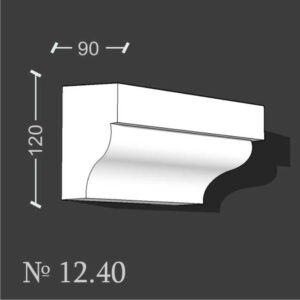
Insufficient overhang on window sills. A correctly positioned window sill extends 1.5–2 inches beyond the wall plane, shedding water outward. Underhangs of 0.5–1 inch create a thermal bridge and allow capillary moisture to migrate back into the frame and substrate. Correcting this requires removing the entire element, excavating 6–12 inches into the substrate to dry rot zones, and recoating—$7,000–$9,000.
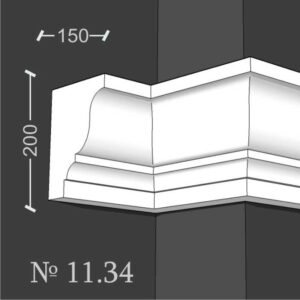
No clearance behind facade bands and cornices. EPS polystyrene elements positioned flush against EIFS or cladding eliminate drainage. A properly installed exterior foam molding sits 0.75–1.25 inches proud, creating a capillary break. Flush installation causes pooling behind the element; substrate damage extends 2–3 feet laterally and upward, demanding full-wall section removal and moisture treatment ($8,000–$11,000).
Missing or undersized weep holes below projecting elements. EPS cornices and quoins without weep holes trap water in cavities. Pressure buildup forces moisture into the substrate and insulation layer, accelerating delamination. Retrofit weep drilling and substrate drying cost $5,000–$7,000 and rarely restore full structural integrity.
Why Installation Protocol Costs 66% Less Than Corrections
Proper EPS facade decoration placement follows a proven protocol: substrate leveling (within 0.25 inches), adhesive application per manufacturer spec (150–200 square feet per gallon), overhang measurement to sill, drainage verification, and weather-tight sealant closure. This takes 4–6 labor hours and costs $150–$250 per linear foot installed. A contractor spending 10 extra minutes on layout and measurement prevents the $8,000–$12,000 corrective cascade. The ROI on careful placement is infinite—one error wipes out the profit on 15–20 standard installations.
Corrective work, by contrast, requires specialized expertise in substrate remediation, moisture detection, and structural assessment—skills most exterior renovation crews lack. Remediation contractors charge $75–$125 per hour, and a single misaligned element consumes 60–100 labor hours across diagnosis, removal, drying, repair, and reinstallation. Material costs triple because damaged substrate requires reinforcement and extended prep.
How to Prevent the 3x Cost Penalty Before Installation Starts
Request a written installation specification from your contractor listing overhang dimensions, adhesive type, fastener spacing, and drainage clearances for every EPS polystyrene element. Verify that your contractor is trained on ETICS facade systems and has documented experience with exterior insulation. Inspect photos of three completed projects showing clear drainage gaps and shedding geometry before signing the contract.
Demand a pre-installation site walk showing substrate condition, moisture levels, and alignment marks. Ask your contractor to stake out overhang lines with chalk or tape before any adhesive is applied. This 30-minute step catches misalignment when correction is free, not $10,000. Verify adhesive choice matches climate and substrate type—polyurethane outperforms acrylic in freeze-thaw zones and costs $12–$18 more per unit, preventing $3,000–$5,000 in winter delamination repairs.
Specify a post-installation moisture inspection at 6 months and 12 months using a non-destructive moisture meter (readings should stay below 12% equilibrium moisture content at substrate). This early-warning system costs $400–$600 per inspection and prevents 90% of substrate rot from becoming structural failure.
The hard truth: EPS polystyrene facade decoration cost premiums vanish against the corrective penalty. Choosing the cheapest installer to save $300–$500 on placement is identical to betting $8,000 that positioning matters less than price. Contractors who rush placement guarantee your project will face the 3x multiplier within 18 months.