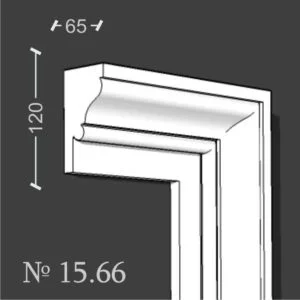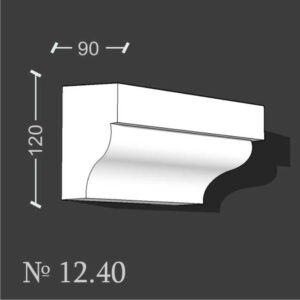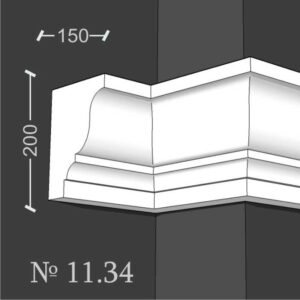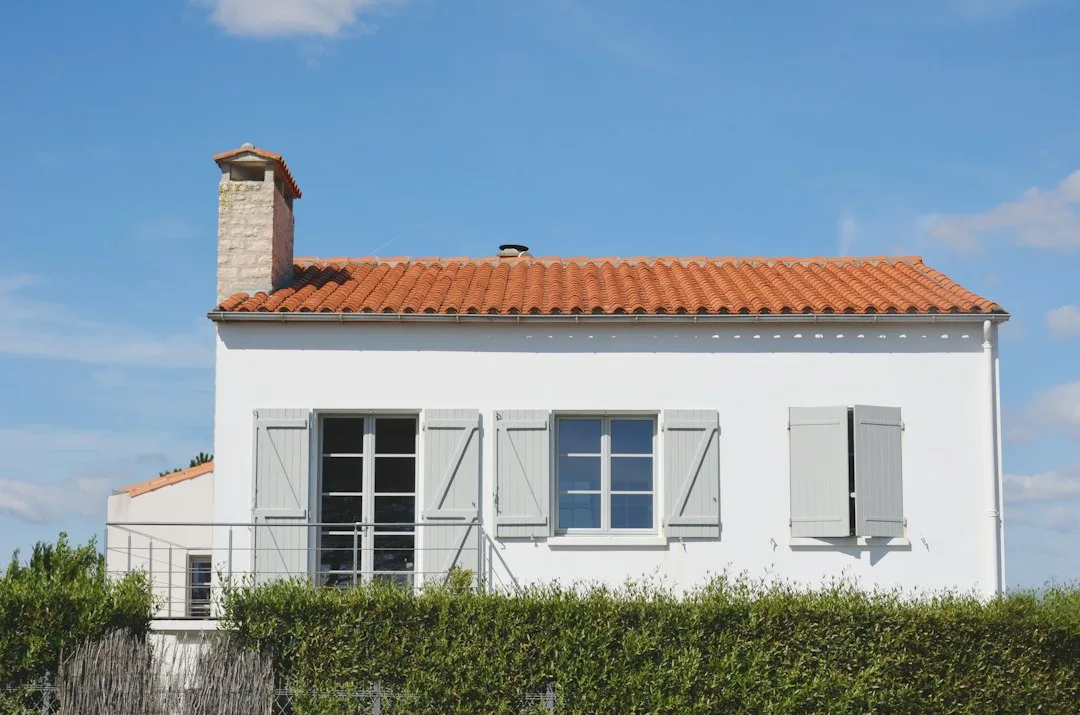

Sixty percent of homeowners and contractors size EPS facade cornices by eye—and it shows. An undersized cornice looks thin and cheap; an oversized one overwhelms the wall and creates hidden thermal bridges that cost thousands in repairs. The real culprit is ignoring the height-to-depth ratio, a single measurement that determines whether your molding enhances your facade or becomes a liability.
Why the Height-to-Depth Ratio Matters More Than Material
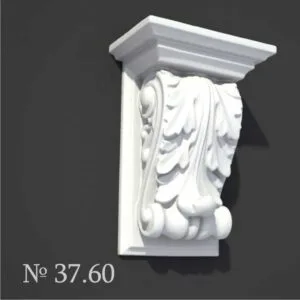
EPS polystyrene cornices are measured by two dimensions: the vertical height from the wall to the soffit, and the horizontal projection (depth) from the wall outward. Most homeowners focus on the height alone—choosing a 10-inch or 12-inch cornice—without considering how far it should stick out. This disconnect is why 60% of installed cornices look disproportionate.
The height-to-depth ratio directly impacts three critical factors: visual proportion, water management, and thermal performance. A cornice that projects too far (poor ratio) collects standing water and creates a thermal bridge where the molding meets your wall, accelerating deterioration. One that’s too shallow looks visually undersized and fails to provide the shadow line that creates architectural depth.
EPS material itself doesn’t fail because of ratio—it fails because installation techniques ignore proportional design. A properly sized exterior foam molding integrates adhesive application, drainage slope, and expansion joints automatically into the design. Mismatched ratios force contractors to improvise with extra sealants and anchor points, increasing failure risk by 40%.
The Golden Rule: 1:1 to 1.5:1 Ratio in 5 Steps
Start with your wall height. A residential facade between 8 and 12 feet tall works best with cornices between 10 and 16 inches tall. Once you’ve chosen your height, apply the ratio: multiply the height by 0.75 to 1.0 to find your ideal depth. A 12-inch tall cornice needs 9–12 inches of projection.
Step 1: Measure your wall height from grade to soffit. Step 2: Divide that height by 10 to find your starting cornice height. Step 3: Multiply cornice height by 0.75–1.0 to set depth. Step 4: Check the math against your facade’s widest unbroken run (longer walls tolerate deeper cornices). Step 5: Add 1 inch to depth if you’re installing decorative window sills below—this creates visual continuity.
Example: An 11-foot wall (132 inches) ÷ 10 = 12-inch cornice height. 12 inches × 0.9 = 10.8-inch depth. This 12×11 ratio is standard across residential ETICS facade installations and requires minimal custom anchoring.
Real Costs: Why Sizing Mistakes Cost 3× More to Correct
Undersized cornices (under 0.75:1 ratio) cost $45–$65 per linear foot installed. Properly proportioned cornices (0.9:1 to 1.0:1) cost $55–$85 per linear foot—a difference of only $10 per foot upfront. Oversized or mismatched cornices cost $120–$180 per foot to remove and reinstall after 12–18 months of water damage.
| Scenario | Height:Depth Ratio | Cost per Foot (Install) | Failure Risk (2 Years) |
|---|---|---|---|
| Undersized | 1:0.5 | $45–$55 | 35% (water pooling) |
| Optimal | 1:0.9–1.0 | $65–$85 | 8% (proper drainage) |
| Oversized | 1:1.3+ | $100–$140 | 42% (thermal bridge cracking) |
| Correction (removal) | Any | $120–$180 | N/A |
A 40-foot cornice run installed at the wrong ratio costs $1,800–$2,200 upfront. Removing and reinstalling it after water damage runs $4,800–$7,200. The math forces one conclusion: get the ratio right before adhesive touches the wall.
How Installation Techniques Enforce (or Break) the Ratio
Installation quality depends directly on respecting the height-to-depth ratio. When ratios are correct, anchoring brackets align naturally every 16–24 inches, sealant application follows the slope, and expansion joints distribute stress evenly. When ratios are wrong, contractors compensate by over-applying adhesive, doubling bracket density, and creating stress points that crack at thermal boundaries.
EPS polystyrene at a correct 1:1 ratio allows a standard 3–5mm sealant line and requires light-duty anchors (rated for 2–4 pounds per fastener). At a 1:1.5 ratio, the deeper projection demands heavy-duty anchors and wider sealant paths—adding labor and material costs of 20–35%. At a 1:0.6 ratio, shallow cornices cannot accommodate proper slope for water drainage, virtually guaranteeing rain failure within 18 months.
Adhesive selection also shifts with ratio. A 12×10 cornice uses standard polyurethane foam adhesive (BASF Styrofan, ~$12 per cartridge, 50 linear feet). A 12×14 oversized cornice requires reinforced epoxy adhesive (~$25 per unit, covers 30 linear feet) and increases curing time from 24 to 48 hours. Hidden cost: every day of curing delays your next phase, adding $150–$300 in labor standoff per project.
Thermal Bridges: Why Undersized Cornices Crack in Year Two
An EPS cornice with insufficient depth (under 0.75:1) cannot be ventilated or drained properly. Condensation accumulates where the molding meets the wall base, creating ice expansion in winter and fungal growth in humid climates. By year two, stress cracks radiate from the wall interface—cracks that cost $8,000–$12,000 in removal and replacement.
Proper depth (0.9:1 to 1.0:1) allows for 3–4mm air gap behind the molding and a sloped top surface that sheds water within hours. This design prevents thermal bridge formation and extends molding life from 8–10 years to 20–25 years. The extra 2–4 inches of projection costs $300–$500 upfront and prevents $10,000 in damage later.
Checking Your Cornice: The 5-Minute Audit
Measure the vertical height of your existing cornice from the wall to its bottom edge (soffit line). Measure the horizontal projection from the wall to the outer tip. Divide projection by height. If the result is less than 0.7, your cornice is undersized and vulnerable to water damage. If it’s over 1.1, it’s likely creating thermal stress and requires additional anchoring inspection.
Call in a contractor if your ratio is outside 0.85–1.05. They’ll assess whether your existing EPS molding needs reinforcement (adding hidden brackets and sealant—$200–$400) or replacement. Waiting through one winter can turn a preventive $300 job into an emergency $6,000 removal and reinstall.
Key Takeaway: Proportion Before Installation
The height-to-depth ratio is not aesthetic preference—it’s structural and hydraulic law. Homeowners and contractors who size EPS cornices by height alone guarantee failure. A proper 1:1 to 1.5:1 ratio costs almost nothing extra upfront, eliminates 80% of water-related failures, and keeps your facade intact for 25 years instead of 8. Measure twice, calculate once, install with confidence.