Why a Corbel Reads as a Quality Indicator Before Anything Else
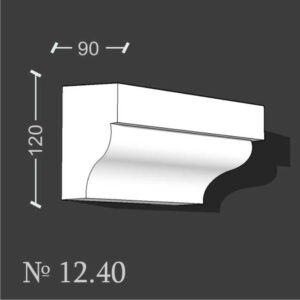
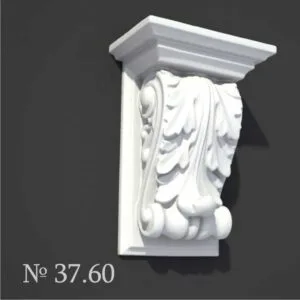
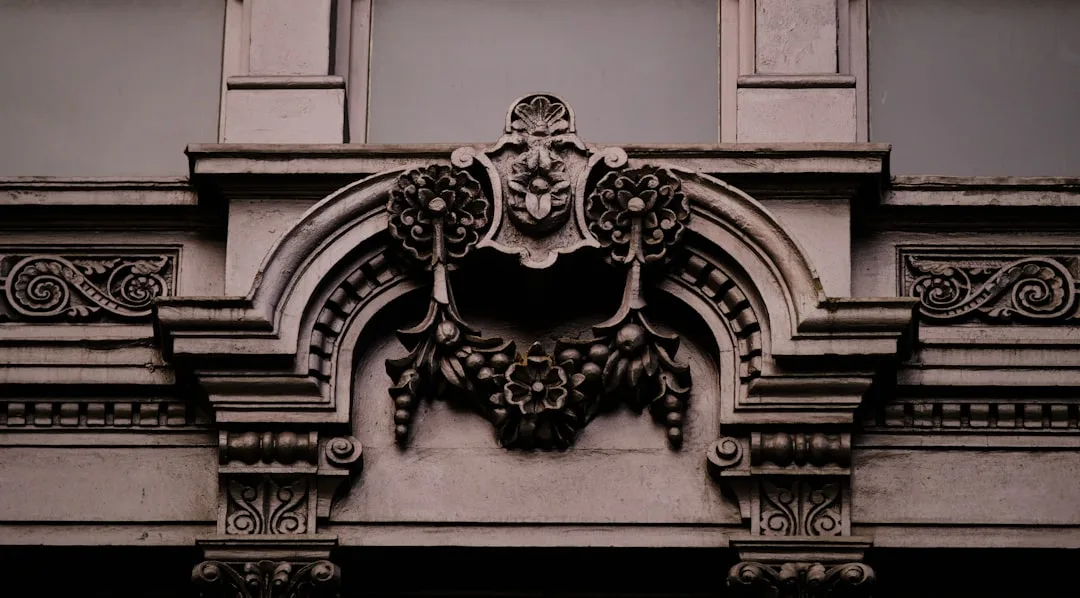
An architectural corbel is a projecting bracket element placed on a facade to support a cornice, a window surround, or as a standalone decorative statement. Because it projects 80 mm to 200 mm from the wall plane, it catches raking light at every hour of the day, making every flaw in alignment, coating thickness, or color match immediately visible. Contractors and homeowners who skip the detailing on corbels end up with a facade that looks unfinished even when every other surface is perfect.
EPS polystyrene corbels weigh between 0.3 kg and 1.2 kg depending on profile depth, which means fixing is achievable without structural reinforcement in most cases. The real differentiator is density: choose a minimum of 20 kg/m³ for facades in USDA hardiness zones 5 and below, or any climate with hard freeze-thaw cycles. Lower-density foam compresses under thermal expansion stress and the render cracks within two winters.
The Four Installation Details That Separate Good Work from Poor Work
First, surface preparation: the substrate must be primed with a bonding agent compatible with both EPS and the base coat render. Applying adhesive to a dusty or painted surface is the single most common cause of corbel detachment within three years. Second, mechanical fixing: for any corbel projecting more than 100 mm, use two stainless steel dowel pins of 6 mm diameter driven 60 mm into the substrate alongside the adhesive bed.
Third, reinforcing mesh continuity: the fiberglass mesh embedded in the base coat must wrap around the corbel edges with a minimum 100 mm overlap onto the flat wall surface. Skipping this creates a stress concentration point at the junction line, which cracks in the first thermal cycle. Fourth, finish coat thickness: apply at least 2 mm of acrylic or silicone render on all exposed corbel faces, never leaving bare EPS exposed to UV for more than 14 days. Products like Baumit StarTop or Sto Lotusan applied at 1.5 to 2 mm deliver both texture and UV protection in a single coat.
Choosing the Right Corbel Profile for Your Facade Style
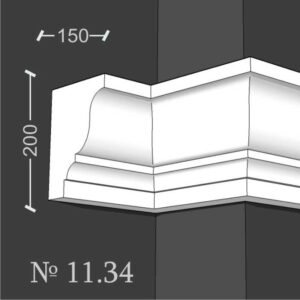
A corbel profile must relate geometrically to the other molding elements on the facade: if your window sills have a 30 mm drip edge projection, your corbels should match or exceed that projection to read as hierarchically more significant. Mixing molding scales from different visual weight classes produces a facade that looks assembled from leftover parts rather than designed. The architectural corbels available in EPS range from simple bracket profiles at roughly $12 to $18 per unit up to elaborate multi-member console profiles at $45 to $90 per unit, making it entirely feasible to specify the correct scale without budget compromise.
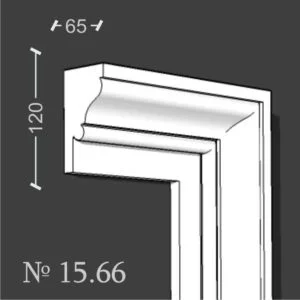
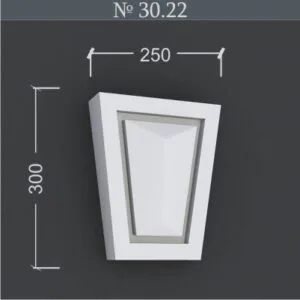
For window and door surrounds where the corbel supports a horizontal entablature element, the combined assembly should be planned before any single piece is fixed, because alignment errors compound across three or four components. Pairing corbels with decorative EPS keystones above arched or flat window heads creates a complete classical surround for under $120 in materials per opening. That cost difference between a bare opening and a fully detailed surround is where a renovation either signals quality or reveals its shortcuts.
What Correct Installation Actually Costs
| Corbel Size | Material Cost (per unit) | Install Time | Finish Coat Needed |
|---|---|---|---|
| Small (H150mm) | $12–$18 | 20–30 min | Acrylic render 1.5mm |
| Medium (H250mm) | $28–$45 | 35–50 min | Silicone render 2mm |
| Large (H400mm) | $55–$90 | 60–90 min | Silicone render 2mm + dowels |
| Console assembly | $90–$140 | 90–120 min | Full mesh wrap + render |
Labor for a skilled applicator runs $35 to $65 per hour depending on region, meaning a complete window surround with corbels, keystone, and sill can be installed and finished in four to six hours. That is $140 to $390 in labor for a result that permanently changes how a facade reads from the street. The EPS material cost is rarely the variable that matters — execution quality and finish continuity are what determine whether the investment shows.