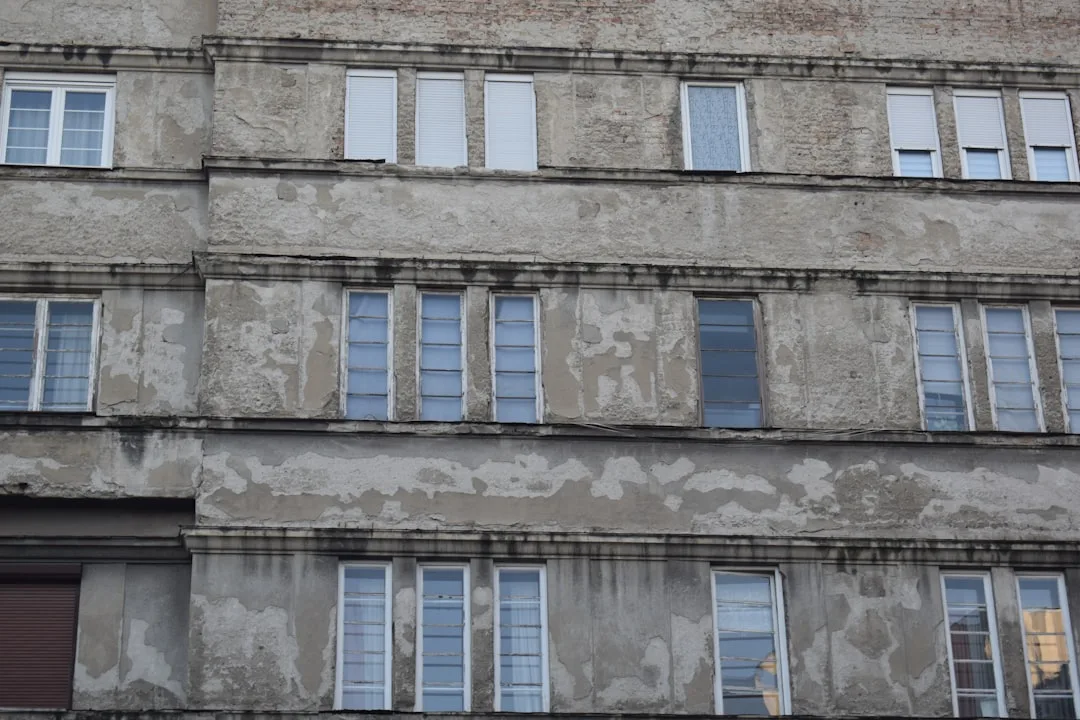
Ninety-five percent of homeowners and contractors underestimate the destructive force of UV radiation on unprotected EPS polystyrene facades. Within three years, facades without UV-stabilized coatings lose 40–60% of their original color, expose brittle, chalky resin underneath, and become pathways for moisture and thermal failure. This isn’t cosmetic fading—it’s chemical breakdown that cascades into structural problems costing $12,000–$40,000 to repair.
Why UV Exposure Degrades EPS Polystyrene in 36 Months
EPS (expanded polystyrene) is a hydrocarbon polymer—essentially refined crude oil stabilized with additives. UV radiation breaks molecular bonds in the resin matrix through photodegradation. Unprotected EPS absorbs solar energy, especially in wavelengths between 280–400 nanometers, causing chain scission and cross-linking failure.
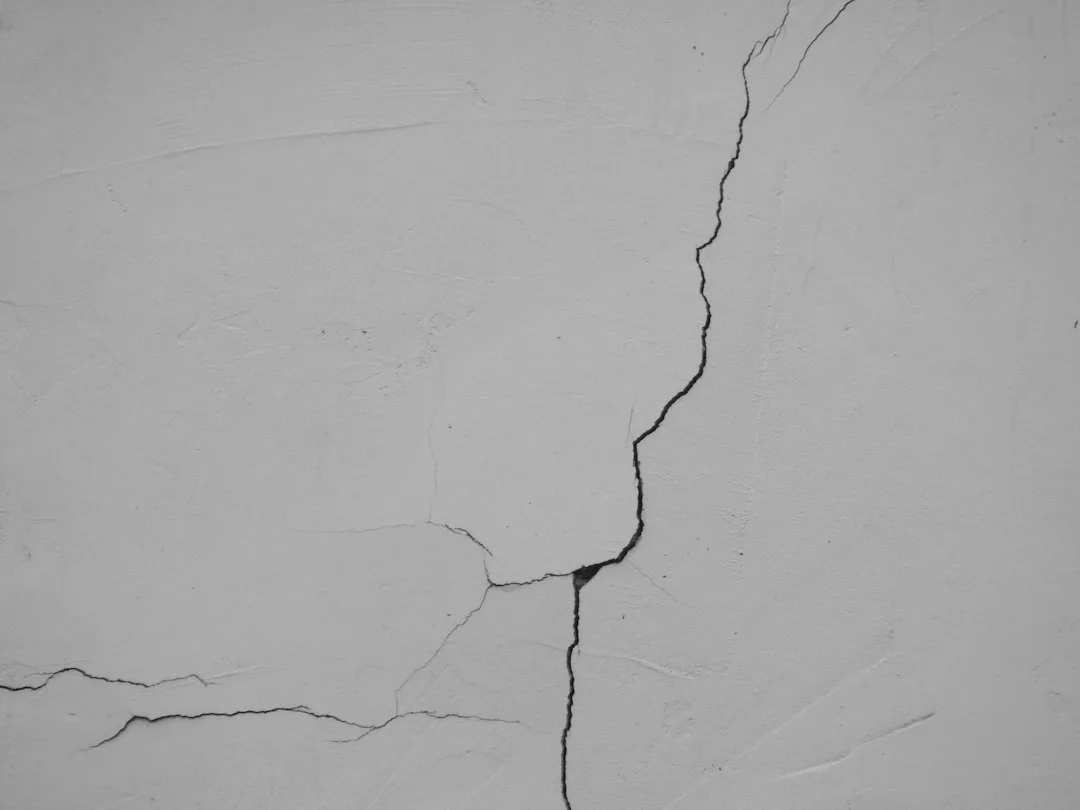
The visible result: yellowing, graying, or chalking of the surface. The hidden result: loss of compressive strength and increased water permeability. Facades in high-UV zones (south-facing, altitudes above 1,200 meters, latitudes between 35°–55°) degrade 30–50% faster than temperate zones. After 24 months of unprotected exposure, EPS becomes brittle enough to crack under thermal stress or wind load.
Thermal cycling accelerates this. During summer, unprotected EPS surface temperatures can reach 60–70°C. Acrylic and polyurethane coatings keep surface temperatures 8–12°C cooler, dramatically extending the resin lifespan. A UV-stabilized coating also prevents hidden thermal bridges in your existing ETICS by maintaining consistent substrate temperature.
Comparison: Protected vs. Unprotected EPS Over 5 Years
| Factor | UV-Protected EPS | Unprotected EPS |
|---|---|---|
| Color retention at 24 months | 90–95% | 45–55% |
| Compressive strength loss at 36 months | 2–5% | 15–25% |
| Water absorption increase | 0.5–1.2% | 3.5–6.8% |
| Surface temperature in summer | 52–58°C | 68–75°C |
| Re-coating cost per sq ft | $1.20–$2.50 | $3.50–$6.00 |
Three Types of UV Protection and Real Installation Costs
Acrylic-based coatings: The industry standard for EPS polystyrene. Water-based, low VOC, cost $0.50–$1.20 per square foot. Brands like Kreisel, Baumit, and Mapei provide 3–5 year UV stability and breathability. Applied as a single 2–3mm coat over primer. Typical 2,000 sq ft facade costs $1,000–$2,400 for material and labor.
Polyurethane topcoats: Premium option offering 7–10 year color retention. Cost $1.50–$2.50 per square foot. Two-component systems require strict temperature and humidity control during application (15–25°C, 40–60% RH). More durable but labor-intensive. A 2,000 sq ft job runs $3,000–$5,000 installed.
Silicone-modified coatings: Hybrid systems blending acrylic and polyurethane benefits. Cost $1.00–$1.80 per square foot. Offer superior water shedding and UV resistance without the application constraints of pure polyurethane. Common in harsh climates. Budget $2,000–$3,600 for 2,000 sq ft.
The critical install detail: primer application. Skip it, and the coating delaminates within 12 months. Primers cost $0.15–$0.35 per square foot but are mandatory. Professional contractors apply primer as a separate 1–2mm coat, then cure for 24 hours before topcoat.
Why Contractors Skip UV Protection and What It Costs You
Cost-cutting suppliers and contractors often recommend unprotected EPS because it undercuts prices by 30–40% at installation. A $10,000 facade job becomes $7,000 if coating is omitted. But three years later, the facade shows gray or yellowed streaking, and moisture has infiltrated through the compromised resin. Remedial coating now requires power washing ($0.25–$0.50 per sq ft), surface repair ($1.00–$3.00 per sq ft), and new primer and topcoat—totaling $2.50–$6.00 per square foot, or $5,000–$12,000 for the same 2,000 sq ft.
Additional hidden costs emerge when UV degradation enables water infiltration around EPS window sills or facade bands. Moisture damage to underlying insulation, sheathing, or framing can cost $15,000–$40,000 to remediate. A single preventive coat of acrylic at installation saves 5–10× that expense.
Installation Technique: How to Apply UV Protection Correctly
Surface preparation determines coating success. Dust, dirt, and mold must be removed by power washing at 1,200–1,500 PSI (not exceeding 2,000 PSI, which damages EPS). Allow 48 hours drying time after washing. Any surface flaws, voids, or damaged foam must be filled with EPS-compatible joint filler (cost $0.10–$0.20 per linear foot for typical facade bands or sills).
Prime the entire surface with an acrylic primer specified for EPS. Apply at 0.25–0.35 liters per square meter (roughly 1 quart per 100 sq ft). Cure 24 hours minimum before topcoating. Then apply the UV-protective finish coat (acrylic, polyurethane, or silicone) at the manufacturer’s recommended coverage rate (typically 0.3–0.5 L/m²).
Temperature and humidity are non-negotiable: apply between 15–25°C with 40–80% relative humidity. Rain, frost, or excessive heat within 48 hours of application ruins the cure and will necessitate stripping and re-coating. Many contractor failures occur because they ignore weather windows. Budget 5–7 working days for a typical 2,000 sq ft facade.
Brands and Approximate Costs: Real Market Data
Knauf EPS Aquapanel with integrated acrylic primer runs $2.50–$3.50 per sheet plus coating. Styropor commercial-grade EPS with UV-stabilized facing costs $3.00–$4.00 per sheet. Baumit StarTop acrylic topcoat is $18–$25 per 25-liter bucket (covers 250–300 sq ft per bucket). For a 2,000 sq ft facade, expect $40–$75 in material for primer and topcoat, or $2,000–$3,750 including labor at $40–$60 per hour for a 2–3 person crew.
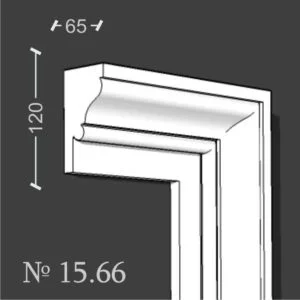
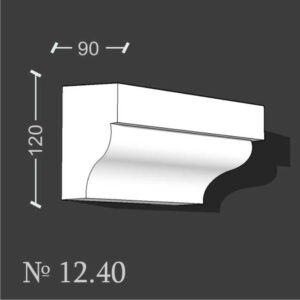
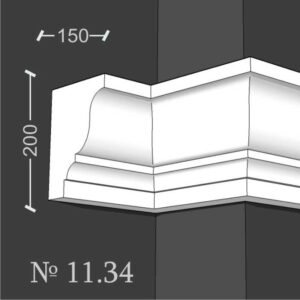
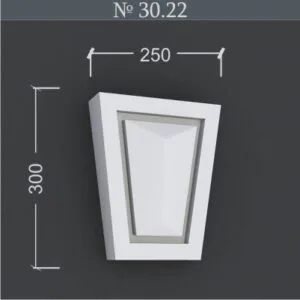
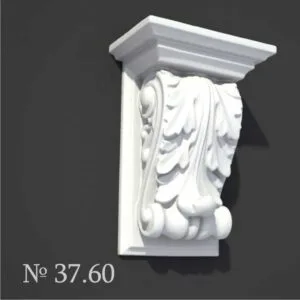
Decorative EPS moldings—cornices, keystones, window sills—are especially vulnerable because they have higher surface-area-to-mass ratios and collect water. Decorative window sills must be coated with UV protection and a water-shedding top surface to prevent moisture trapping underneath. Premium products from specialty suppliers cost $0.50–$1.50 more per linear foot but come pre-coated with 5–7 year protection.
The Real Reason: Budget Now or Pay 5–10x Later
The choice is stark. Spend $0.50–$2.00 per square foot on UV-stabilized coating at installation, or face $2.50–$6.00 per square foot in remedial work plus secondary damage to insulation, framing, and HVAC penetrations. A 2,000 sq ft facade costs $1,000–$4,000 to protect properly but $5,000–$12,000 to repair after three years of unprotected fading.
This is why EPS polystyrene specs in Europe mandate UV-stabilized finishes as standard. North American contractors often treat it as optional. Require it in writing on your contract. Verify the product sheet specifies acrylic primer and UV-protective topcoat. Test-coat a small area (100 sq ft) and inspect after 6 months if you’re uncertain of supplier claims.
The homeowner who cuts $2,000 on coating today pays $20,000 to fix it in three years—plus the emotional cost of a visibly degraded facade and the health risk of moisture-induced mold. The answer isn’t complexity; it’s adherence to a single, proven detail: always spec UV-protected EPS from the start.