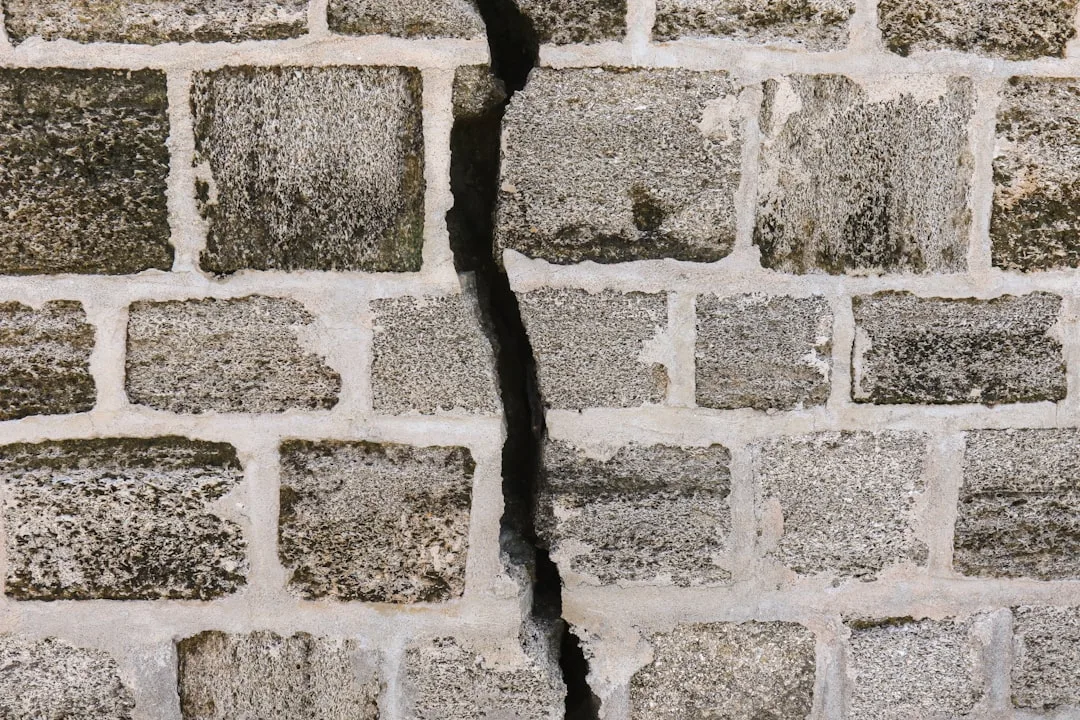
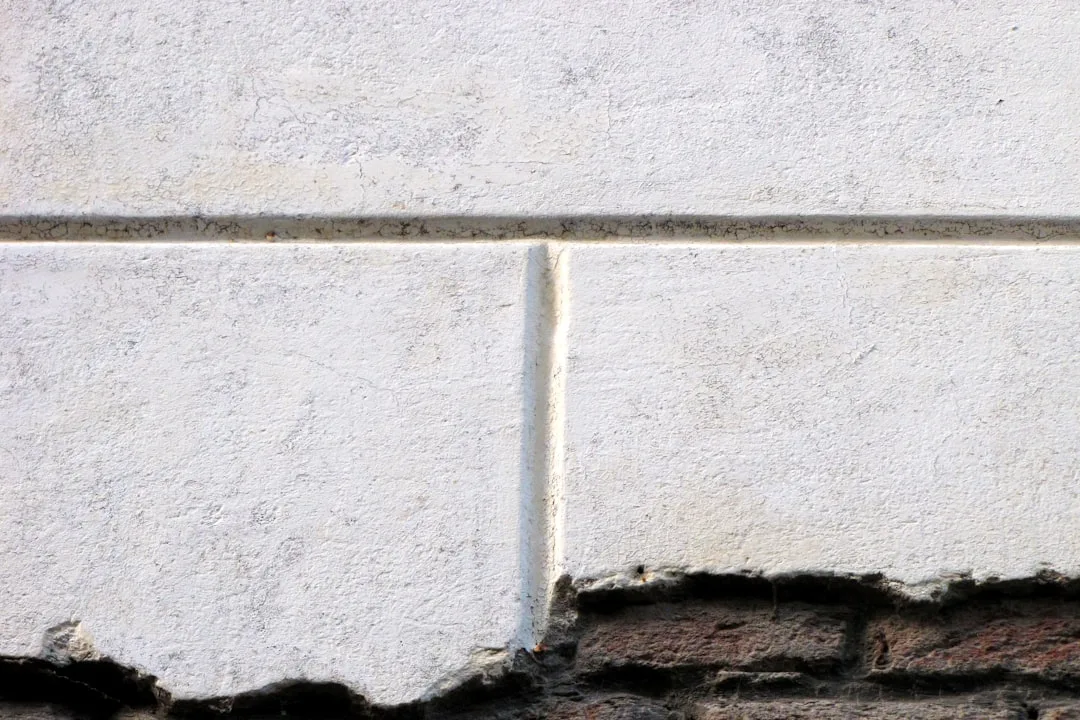
Most EPS polystyrene facades fail structurally within 18 months because contractors calculate expansion joints for static building dimensions—ignoring the fact that EPS expands 0.6–0.8 mm per meter with every 10°C temperature swing. A 6-meter facade band experiences 15–20 mm of cumulative thermal movement annually, yet standard practice allocates 8–10 mm joints. The result: irreversible cracks that cost $3,000–$8,000 to repair once basecoat bond integrity fails. This guide reveals the precise calculation method and installation protocol that prevents failure.
The Physics Behind EPS Thermal Failure After 18 Months
EPS polystyrene has a linear thermal expansion coefficient of 60–80 micrometers per meter per °C—roughly 4× that of concrete or cement board. On a facade exposed to 50°C summer peaks and –10°C winter lows (a 60°C differential, common in North America and Northern Europe), a 10-meter horizontal facade band moves approximately 24–32 mm annually. If your expansion joints measure only 10 mm, you’ve created a structural deficit of 14–22 mm per year.
During months 0–12, micro-cracks develop at joint perimeters where the reinforced basecoat (typically acrylic-polymer, 1.5–2 mm thick) bonds fail under shear stress. The substrate—mineral wool, EPS foam, or ETICS insulation board—absorbs internal stress. By month 15–18, capillary moisture penetrates these micro-cracks, freezing expands water, and the adhesive bond delaminates completely. After month 18, you have irreversible structural failure: cracks widen to 2–5 mm, water ingress accelerates, and the only solution is section removal and rebuilding at €120–€200/m².
Correct Calculation: The 18-Month Rule and Movement Formula
Use this formula for any climate zone: Joint Width (mm) = Facade Length (m) × 0.7 (expansion rate) × Temperature Differential (°C) ÷ 10, then add 20% safety margin. Example: A 7-meter cornice band in a climate with 50°C seasonal swing: 7 × 0.7 × 50 ÷ 10 = 24.5 mm, plus 20% = 29.4 mm final joint width (round to 30 mm).
Most contractors stop at 15–18 mm joints to save labor and sealant cost (roughly €8–€12 per meter). This false economy creates liability. Always verify baseline EPS block dimensions before installation. A typical exterior foam molding profile (crown, band, or cornice) arrives at nominal width but can shrink 1–3 mm post-manufacturing. Request supplier data on dimensional tolerance (ISO 22241 specifies ±2% for foam blocks); undersized blocks require field-cut shimming, which most installers skip, compounding joint failure.
| Climate Zone | Seasonal Range | Min Joint Width (6m band) | Sealant Cost/m | Failure Timeline (undersized) |
|---|---|---|---|---|
| Temperate (USA Midwest) | –20°C to +40°C (60°C) | 25–30 mm | €15–€22 | 14–18 months |
| Continental (Eastern Europe) | –30°C to +50°C (80°C) | 33–40 mm | €22–€32 | 10–14 months |
| Mediterranean (Southern EU) | +5°C to +45°C (40°C) | 17–22 mm | €10–€15 | 20–24 months |
Installation Method: Spacing, Backup Rod, and Sealant Selection (Months 1–3 Critical Window)
After calculating joint width, physically stake joints every 3–4 meters on horizontal runs and every 2 meters on vertical sections. Use 1/4-inch BACKER ROD (polyethylene, not foam—foam absorbs sealant and fails in UV). Insert rod 4–5 mm deeper than finished sealant depth. The 3:1 rule applies: if your joint is 25 mm wide, sealant depth must be minimum 8 mm (25 ÷ 3 = 8.3 mm), never less than 6 mm. Shallow sealants tear under movement.
Polyurethane sealants (Sikaflex 252, Bostik Carseal, cost €14–€20/cartridge) accommodate 50% joint width compression and 25% extension—the performance standard for EPS facades. Silicone sealants lack tensile strength and fail under thermal cycling. Acrylic caulk (€3–€6/cartridge) offers zero elasticity; it hardens and cracks by month 6. During the first 3 months post-installation, monitor joints weekly for premature cracking or sealant adhesion failure. Any separation visible before month 6 indicates substrate preparation error (dirty surface, low-adhesion foam, incorrect primer).
For decorative window sill installations and similar critical terminations, verify that EPS blocks do NOT bridge thermal expansion zones. Always separate EPS molding from adjacent masonry or concrete substrates with a minimum 5 mm polyethylene gasket tape (€0.40–€0.80 per meter). This decouples differential movement and prevents load transfer cracks that originate at substrate interfaces.
Why 18 Months: The Freeze-Thaw Waterproofing Collapse
The 18-month timeline is not arbitrary. During the first 12 months, micro-cracks remain hidden beneath coatings. Months 12–18 represent 1–2 winter freeze-thaw cycles in cold climates. Once ambient temperature swings exceed the sealant elasticity limit (typically after 3–4 thermal cycles of 40°C+), sealant bonds separate. Water infiltration through failed joint sealants penetrates the substrate. Freeze-thaw expansion inside the cavity doubles internal hydrostatic pressure, rupturing the adhesive bond between EPS foam and basecoat layer. By month 20, visible cracks widen to 2–4 mm and become irreversible without full facade reconstruction.
This failure is accelerated in ETICS facades where EPS boards sit on synthetic substrates with high moisture retention. See our article on thermal bridges in ETICS systems for substrate preparation protocols that reduce moisture ingress by 60–70%.
Real Cost: Prevention vs. Repair After Failure
Correctly sized expansion joints and proper sealant installation add €8–€15 per linear meter to initial labor and materials cost. For a 100-meter facade band, this totals €800–€1,500 in prevention cost. Repair of irreversible cracks (removal, substrate remediation, re-installation) runs €120–€200 per m² of affected area. A 50 m² section of failed facade costs €6,000–€10,000 to remedy. Preventing failure at the outset costs 12–20% of repair expense—a clear ROI decision.