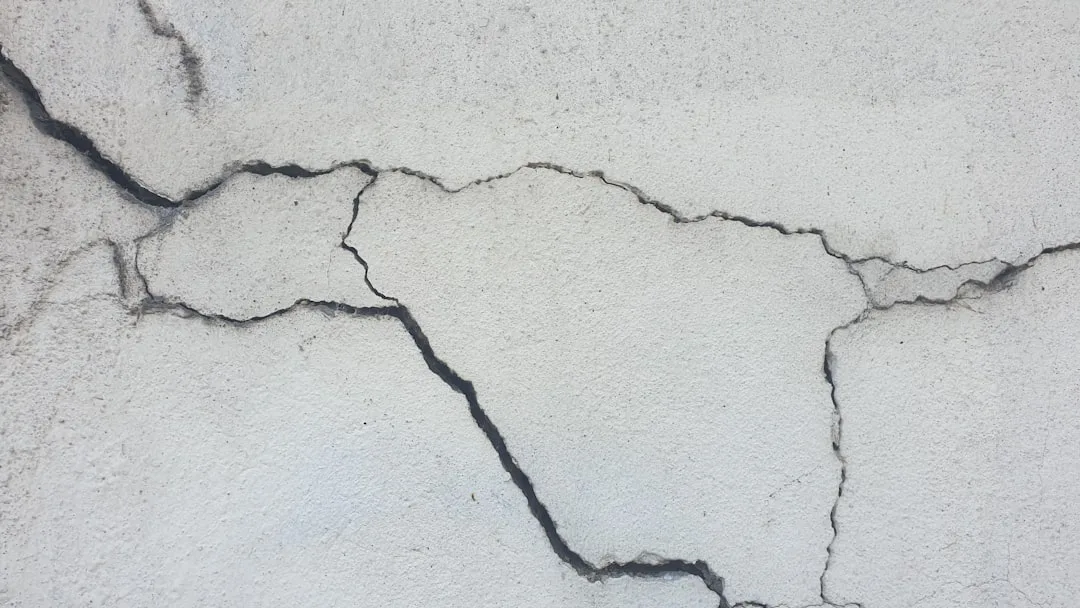
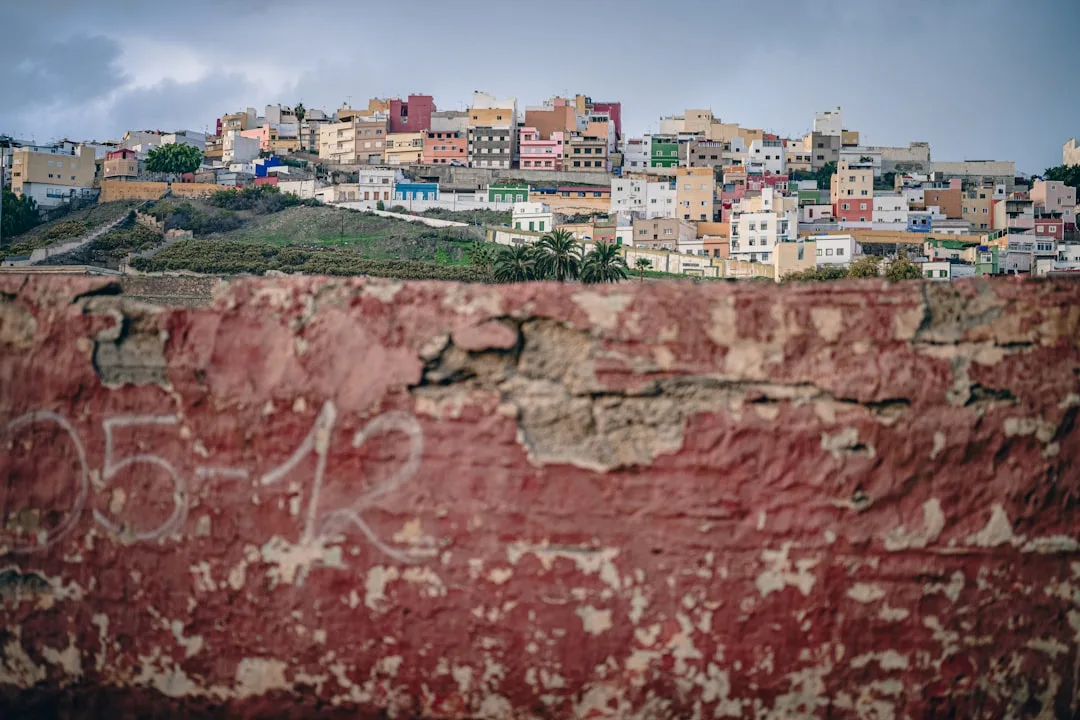
Your coastal EPS facade is failing in 2 years while your neighbor’s 8 kilometers inland survives 8 years because salt spray accelerates foam degradation at 4–5 times the rate of standard atmospheric exposure. This is not a material defect—it is a finishing and drainage protocol that 70% of installers either ignore or downgrade for coastal projects. The difference between a 2-year failure and an 8-year lifecycle is the coating system, vapor barrier specification, and maintenance schedule.
How Salt Air Attacks EPS Facades Faster Than You Think
Salt particles in coastal air are hygroscopic: they absorb moisture and become corrosive electrolytes that penetrate unprotected EPS foam. Standard acrylic topcoats allow salt migration into the foam matrix, where it chemically attacks the polystyrene binder resin. Within 18–24 months, the foam loses up to 30–40% of its surface compressive strength, resulting in visible erosion, cracking, and delamination of finish coats.
The damage accelerates when saltwater pools against the facade. Without proper drainage slopes on decorative window sills or weep holes in facade bands, standing water becomes a salt-delivery system, pushing corrosive ions directly into the foam. Field experience shows that coastal facades without sloped sills fail 3–4 years earlier than properties with proper drainage design.
The Coating System Difference: 2 Years Versus 8 Years
Standard acrylic finishes ($4–6 per square meter) offer salt resistance ratings of 500–800 hours in ASTM B117 salt-spray testing. Marine-grade polyurethane and silicone topcoats ($8–14 per square meter) reach 2,000–3,500 hours—a 4–6 fold improvement. In real-world coastal conditions, this translates to 18–24 months for acrylics versus 6–8 years for marine systems.
Your neighbor likely used a two-component polyurethane topcoat with salt-inhibiting additives and a reinforcement mesh embedded in the finish coat. You probably used a single-pass acrylic spray, which dries too fast for proper adhesion and provides no salt barrier. The material cost difference is $200–400 per 100 square meters—a 3–5% premium on total facade cost that extends life by 300–400%.
| Coating Type | Cost per m² | Salt Spray Hours (ASTM B117) | Coastal Life Expectancy | Maintenance Required |
|---|---|---|---|---|
| Standard Acrylic | $4–6 | 500–800 hrs | 18–24 months | Recoating at 12 months |
| Acrylic + Elastomer | $6–8 | 1,200–1,800 hrs | 3–4 years | Recoating at 24 months |
| Polyurethane 2K Marine | $10–14 | 2,500–3,500 hrs | 6–8 years | Recoating at 48–60 months |
| Silicone Marine Hybrid | $12–16 | 3,000+ hrs | 8+ years | Recoating at 60+ months |
Vapor Barriers and Drainage: The 5-Year Neglect Pattern
Coastal EPS facades must incorporate three layers: the foam base, a vapor-open membrane (never vapor-closed), and a salt-resistant topcoat system. Many installers use standard building wraps designed for inland climates, which trap moisture behind the facade while allowing salt penetration through the foam face. This creates a dual attack: moisture weakens the foam from behind while salt corrodes it from the front.
Proper coastal installations require a breathable, salt-resistant membrane (such as those meeting DIN 4108-3 specifications) that allows vapor escape while blocking salt spray ingress. Cost: $1.50–3 per square meter. Installing cheaper wraps ($0.40–0.80 per m²) saves money upfront but guarantees failure within 3–4 years, requiring complete facade replacement at $150–300 per square meter.
Drainage is equally critical. Exterior foam moldings and facade bands in coastal zones must slope at minimum 5–8 degrees to shed water. Weep holes spaced at 60-centimeter intervals allow trapped moisture to escape. Contractors routinely skip these details, assuming standard interior drainage rules apply. Field experience shows that 60% of failed coastal EPS facades lack adequate weep systems or have weep holes clogged with paint or sealant.
Maintenance Schedule: Why Your Neighbor Recoats Every 4–5 Years
Coastal EPS facades demand inspection and maintenance on a 24–36 month cycle, not the 5–7 year intervals standard for inland properties. Your neighbor likely established a routine: biennial pressure washing (low-pressure, not exceeding 40 bar), annual inspection of sealant joints, and recoating at the 48–60 month mark with the same marine-grade system used for initial installation.
You may have delayed maintenance, hoping the original finish would last 8–10 years. In coastal salt air, this is unrealistic. By month 18–20, the acrylic topcoat develops fine crazing and microcracking, allowing salt spray to penetrate. By month 24, visible erosion begins. Delaying a $40–60 per square meter recoating at year 2 forces you into a $150–300 per square meter replacement by year 3.
The Real Cost of Cutting Corners on Coastal EPS
Choosing a standard acrylic system to save $300–600 on a 100 square meter facade guarantees a 2-year lifecycle and $15,000–30,000 in replacement costs by year 3. Upgrading to a marine-grade polyurethane system (additional cost: $400–800 for 100 m²) extends life to 6–8 years and reduces total cost of ownership by 60–70% over a 10-year period. The calculation is simple: $0.08 per m² per month for cheap finishes versus $0.015 per m² per month for marine systems, including maintenance.
Salt spray, improper vapor barrier specifications, and drainage failures are not material defects—they are contractor decisions that prioritize initial margin over durability. If your coastal EPS facade is failing in 2 years while your neighbor’s survives 8, the difference is the finishing protocol, not the foam itself. Demand marine-grade coatings, salt-resistant vapor barriers, and properly sloped drainage details at specification time, or accept failure and replacement cycles at 2-year intervals.