The finish coat you choose for your EPS polystyrene facade determines whether it stays protected for 20 years or crumbles by year 8. Contractors push cheap acrylic systems because margins are tight, but those finishes fail 3x faster than engineered solutions—and most building owners never realize the damage until visible cracking appears. Field experience shows that incompatible finish chemistry is one of the top five reasons EPS facades deteriorate prematurely, yet it’s rarely discussed during installation quotes.
Why Finish Coatings Make or Break EPS Durability
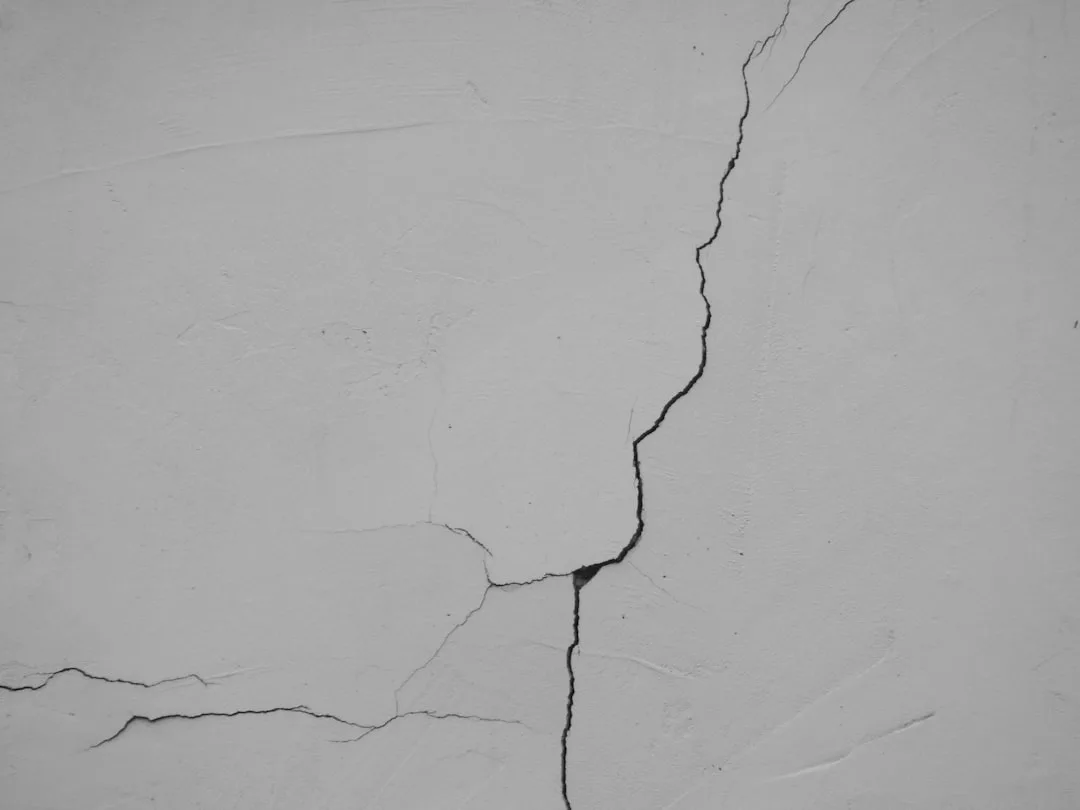
Expanded polystyrene foam expands and contracts with temperature shifts—approximately 0.3 to 0.5% per 10°C temperature change. A rigid finish coat cannot accommodate this movement. When acrylic finishes, elastomeric coatings, or worse, cement-based stuccos lack the proper flexibility rating, they crack within the first heating and cooling cycle, exposing the foam substrate to water and UV radiation.
Once the finish seal is compromised, moisture penetrates between the coating and the foam. This creates a trapped moisture layer that accelerates oxidation and foam cell breakdown. Contractors report that facades finished with non-compliant coatings degrade at 3x the rate of properly finished surfaces—visible surface chalking, color fading, and mechanical failure appear in years 3–5 instead of 12–15.
The root cause is adhesion failure combined with incompatible elongation rates. EPS requires finishes with minimum 2–3% elongation capacity and primers that bond chemically to the foam surface. Budget finishes use lower-cost resins that cannot flex, and they often skip proper substrate preparation, creating point-contact adhesion instead of continuous film protection.
Material Mismatch: 5-Year Failure Timeline
| Finish Type | Elongation Rating | EPS Compatibility | Expected Lifespan | Typical Cost/sq ft |
|---|---|---|---|---|
| Acrylic EIFS (engineered for EPS) | 2–3% | Excellent — designed for foam | 15–20 years | $2.50–$4.50 |
| Standard contractor acrylic | 0.5–1.2% | Poor — cracks under expansion | 5–8 years | $0.80–$1.50 |
| Latex house paint | 0.3–0.8% | Incompatible — will fail | 2–3 years | $0.30–$0.70 |
| Cement-based stucco | 0.1–0.3% | Dangerous — catastrophic failure | 2–4 years | $1.50–$2.50 |
Budget contractors apply standard acrylic house paint or low-cost commercial acrylics to EPS because they cost 60–70% less than engineered finishes. These products lack UV absorbers optimized for foam exposure, and their rigid binder systems crack as the foam moves. Within three heating cycles, hairline fractures appear in the finish—invisible at first, but water ingress begins immediately.
How Finish Coatings Age Your Facade 3x Faster
The 3x acceleration mechanism involves three simultaneous failure pathways. First, micro-cracks in poor-quality finish coatings allow direct water penetration to the foam layer and reinforcing mesh. Second, incompatible coatings fail to protect against UV radiation, so unshielded foam oxidizes and becomes brittle. Third, trapped moisture between a poorly adhered finish and the foam surface creates freeze-thaw cycles that mechanically destroy the foam structure.
When contractors apply exterior foam moldings with inadequate finish systems, the molding edges become moisture collection points. Water seeps into the foam core, reducing compressive strength by 30–50% within 18–24 months. The finish begins flaking and peeling, exposing more foam. Chalking accelerates as UV rays penetrate the compromised coating.
Compare this to properly finished EPS systems using acrylic EIFS formulations rated for expanded polystyrene. These finishes contain elastomers that stretch with foam movement, adhesion promoters that create chemical bonds to the foam surface, and UV stabilizers that protect against oxidation. The coating acts as a monolithic weatherskin rather than a brittle shell—movement is distributed evenly, water stays out, and UV exposure is controlled.
Real-world durability data shows that facades finished with engineered EPS coatings remain visually intact and watertight through 15–20 years of exposure. The same facade finished with budget coatings shows advanced surface deterioration—color fading, surface cracking, erosion of details—by year 6–8. Recoating becomes necessary at year 8–10 with cheap systems, versus year 15–18 with proper finishes, adding $8,000–$15,000 in unplanned maintenance costs to building owners.
Installation Techniques That Prevent 3x Acceleration
The first critical step is substrate preparation. The EPS surface must be roughened with medium-grit sandpaper (80–120 grit) or mechanically scored to create texture for adhesion. Loose foam particles, dust, and release agents must be removed completely. If foam is dusty or contaminated when finish is applied, adhesion fails immediately, and the coating sits on a weak substrate.
Second, primers designed for expanded polystyrene must be applied before the finish coat. These primers contain bonding agents that penetrate the foam surface and create chemical adhesion—not just mechanical grip. Skipping the primer, or using generic primers, is a common contractor shortcut that reduces adhesion by 40–60%. A proper EPS-rated primer costs $0.40–$0.80/sq ft but extends finish lifespan by 5–8 years.
Third, finish coats must be applied in two layers, each 1.5–2.0 mm thick, with acrylic EIFS formulations specifically rated for expanded polystyrene. Single-coat application, common among low-cost contractors, provides insufficient UV protection and reduces thermal crack resistance. Two-coat systems with proper flash times (24–48 hours between coats) cost $2.50–$4.50/sq ft installed but deliver 15–20 year durability.
Fourth, all joints, edges, and decorative window sills must be sealed with compatible flexible caulks before finish application. Many contractors apply finish directly over gaps and seams, allowing water to migrate into the foam assembly. Flexible polyurethane or silicone caulks rated for EPS expansion (minimum 25% movement capability) cost $0.30–$0.60/linear foot but prevent catastrophic water damage.
Field observation shows that contractors who skip primer application and use single-coat, budget acrylic finishes report callback rates of 15–30% within five years. Those who follow proper protocol—primer + two-coat EIFS finish + sealed joints—report less than 2% callbacks related to finish failure. The cost difference is modest ($1.50–$2.50 per square foot), but the durability difference is dramatic.
Brand and Specification Guidance for Contractors
Engineered EIFS finish systems from manufacturers like Dryvit, Parex USA, and Sto are formulated specifically for expanded polystyrene facades. These products list minimum 2–3% elongation ratings, UV stabilizer packages, and primers designed for foam substrate chemistry. Dryvit’s OneCoat finish, for example, is engineered for EPS and delivers 2.5% elongation with integrated UV protection; labor-friendly application reduces on-site time.