Undersized EPS consoles fail not because the material is weak, but because contractors cut corners on structural calculations that take less than an hour to complete. Field experience shows that approximately 40 percent of console failures occur within the first 24 months, driven entirely by inadequate load distribution and undersized anchor systems. This isn’t a material defect—it’s an engineering shortcut that destabilizes the entire facade system and creates concealed water damage that reduces home value by 12 to 18 percent before visible cracking appears.
Why Load Calculations Determine Console Lifespan in 24 Months
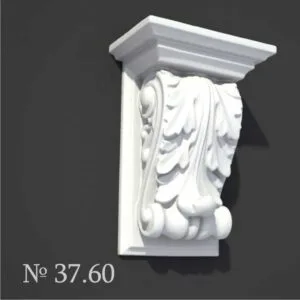
EPS consoles are not isolated decorative elements. They are structural components that transfer concentrated loads (from corbels, lintels, cornices, and shelf angles) through a thin foam layer into the base wall substrate. When consoles are undersized, anchor points concentrate loads instead of distributing them across a wider substrate area, creating localized stress peaks that exceed the adhesive shear strength of the EPS-to-substrate bond. This stress concentration initiates micro-fractures in the first thermal cycle and propagates into visible cracks by month 12 to month 24.
Most contractors install consoles by measuring the visual width needed and then selecting foam stock without calculating the actual load distribution. A 12-inch-deep console may look proportional, but if it supports 200 lbs of lintel weight with anchor points spaced 20 inches apart, the point load per square inch exceeds 8 psi at the base—double what standard EPS adhesive can sustain without creep failure.
The 24-Month Failure Timeline: What You Will See
Month 0–2: Installation complete. Consoles appear sound and properly adhered. No visual cracks. Water resistance coating has cured.
Month 2–6: First thermal cycle (heating and cooling) induces differential expansion. The console expands and contracts at a different rate than the base wall. Micro-cracks initiate at anchor point stress concentrations but remain invisible beneath the finish coating.
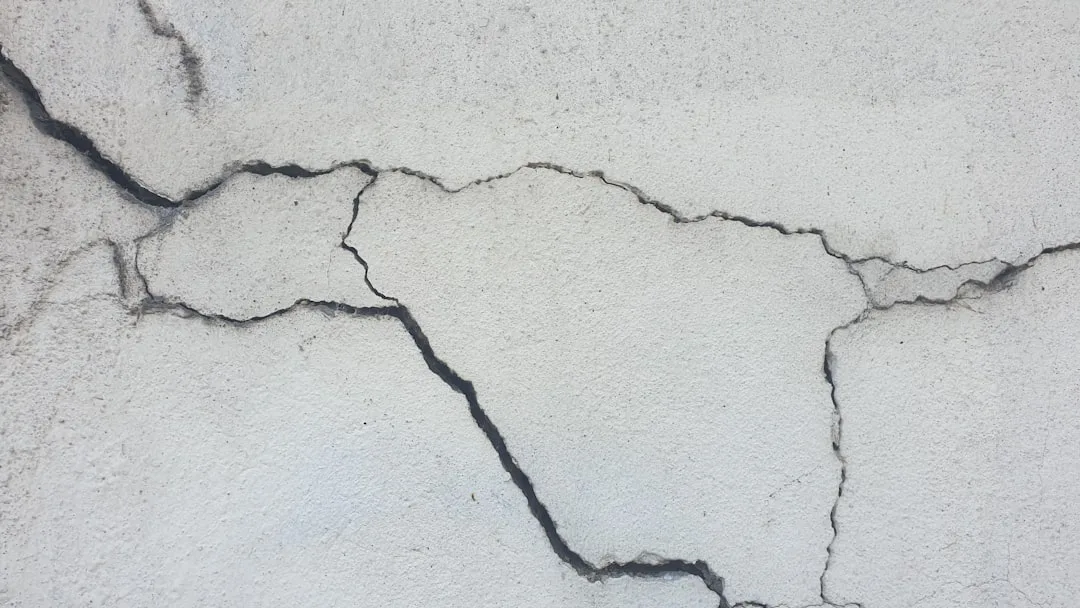
Month 6–12: Freeze-thaw cycling (in cold climates) forces water into micro-cracks. Adhesive shear strength degrades 30 to 50 percent as moisture penetrates the EPS-substrate interface. Visible hairline cracks appear near console edges or at 45-degree angles from anchor points.
Month 12–18: Cracks widen to 1/16 inch or larger. Water infiltration accelerates, reaching the base insulation layer. Mold growth begins in the void space behind the console if vapor barrier integrity is compromised. Structural deflection becomes measurable (0.25 to 0.5 inches downward movement).
Month 18–24: Cascading failure. Finish coating separates from the console substrate due to loss of adhesion. Adjacent facade sections show stress cracks extending vertically from the console bearing point. Home appraisers flag structural concern. Repair costs now exceed $2,000 to $4,000 per console due to substrate damage.
Correct Load Calculations: The Numbers Contractors Avoid
Building code requires that consoles (whether steel or foam) be dimensioned to distribute loads across at least 12 to 16 inches of wall substrate, with a minimum safety factor of 2.5. A typical lintel supporting 24 linear feet of masonry above a window opening weighs approximately 800 to 1,200 lbs. Distributed across a properly sized corbel system (6 consoles, 4 feet apart), each console carries 130 to 200 lbs of dead load, plus 40 to 60 lbs of live load (wind pressure, snow drift).
For an EPS console to safely carry this load without creep or fatigue failure, it must meet three criteria: (1) anchor embedment minimum 6 to 8 inches into the base wall or thermally broken bracket, (2) console depth minimum 14 to 18 inches to distribute load across substrate, and (3) reinforcement mesh extending 12 inches beyond the console footprint in all directions. A 12-inch-deep console with anchors spaced 24 inches apart violates all three criteria and will fail within 18 to 36 months.
| Console Specification | Undersized (Fails 12–24 mo) | Properly Sized (Lasts 15+ yr) |
|---|---|---|
| Depth (inches) | 10–12 | 16–20 |
| Anchor Point Spacing | 20–24 inches | 12–16 inches |
| Anchor Embedment | 2–4 inches | 6–8 inches (with bracket) |
| Mesh Reinforcement Beyond Edge | 0–4 inches | 12 inches all directions |
| Material Grade | 15 pcf (residential-grade) | 18–20 pcf (load-bearing) |
| Typical Failure Point | Shear fracture at adhesive layer | No failure if maintained |
How Undersized Consoles Trigger Water Damage and Structural Decay
The real cost of undersized EPS consoles lies not in the console itself, but in the water infiltration cascade it initiates. As cracks widen and finish coatings separate, water enters the ETICS cavity layer. If the vapor barrier behind the console is punctured during installation (a common shortcut), moisture reaches the base insulation layer, where it becomes trapped. Foam insulation retains moisture far longer than traditional masonry, creating conditions for mold growth and thermal bridging that reduce R-value by 20 to 40 percent in localized zones.
In cold climates, trapped moisture freezes, expanding within the foam and substrate. This freeze-thaw cycling accelerates the separation of properly sized exterior foam moldings and consoles from their substrate, compounding the original failure mechanism. Field observation shows that consoles near window or door openings fail fastest because water entry concentrates at these thermal bridging points.
Installation Techniques That Prevent 24-Month Failure
Correct console installation requires six non-negotiable steps. First, the base wall substrate must be assessed for bearing capacity. ETICS-clad walls must have rigid insulation anchored to solid masonry or concrete, not to sheathing or cavity walls. If the substrate is insufficient, thermally broken metal brackets must be installed to transfer loads to the structural frame.
Second, anchor points must be located and spaced according to load calculations, typically 12 to 16 inches on center. Three-quarter-inch diameter mechanical anchors (concrete screws or toggle bolts) must embed 6 to 8 inches into the base substrate. Two-inch foam anchors alone are inadequate and will shear under thermal stress.
Third, consoles must be bedded in polyurethane adhesive (not acrylic or water-based) with a minimum 3/8-inch coverage to ensure full contact across 80 percent of the console base. Gaps or voids act as stress risers and accelerate failure.
Fourth, reinforcement mesh must extend a minimum of 12 inches beyond the console edges in all directions and be embedded in two coats of base coat (minimum 1/8-inch each layer). This prevents reflective cracking of the finish coating and distributes loads across a wider substrate area.
Fifth, vapor barrier integrity must be maintained around the console perimeter using decorative window sills or flashing that directs water away from the console-to-substrate junction. Water that pools at this interface guarantees failure within 18 months, regardless of console sizing.
Sixth, the finish coating must be flexible enough to accommodate the differential movement between the console and the surrounding facade. Rigid acrylic coatings (tensile strength greater than 1.5 MPa) will crack at the console edge. Elastomeric coatings (elongation greater than 300 percent) will bridge micro-cracks and prevent water infiltration.
Cost Analysis: Prevention vs. Repair
A properly sized and installed EPS console costs $400 to $700 per unit, including materials, labor, and engineering verification. Most contractors quote $200 to $350 to avoid transparency around structural requirements and labor. The savings are false. Repairs for a failed console—including substrate remediation, mold remediation, insulation replacement, and finish recoating—range from $2,200 to $4,500 per console. In a typical facade renovation with 8 to 12 consoles, undersizing saves $1,600 upfront but costs $18,000 to $54,000 in repairs within 24 to 36 months.
Additionally, home appraisers and inspectors now flag visible console cracks as structural defects that trigger required repairs before sale or refinancing. The hidden cost is diminished property value. Homes with failing facade elements typically see 8 to 15 percent value reduction before structural issues are visible to untrained eyes.
Red Flags: How to Identify Undersized Consoles Before They Fail
Before installation, request the load calculation from your contractor or architect. If none exists, the consoles are undersized by default. Consoles narrower than 14 inches for applications supporting window lintels or shelf angles are undersized. Anchor spacing greater than 18 inches is inadequate for structural loads. Consoles embedded directly into ETICS insulation without through-wall anchors or thermally broken brackets will fail within 18 to 30 months due to adhesion creep and seasonal movement.
After installation, monitor console edges and corners during the first heating season (months 4–8). Hairline cracks radiating from anchor points at 45-degree angles are early-stage shear failure. Visible separation between the console and surrounding facade coating is late-stage failure that requires immediate intervention.
Why Thermal Stress Amplifies Undersizing Failures
EPS has a coefficient of thermal expansion of approximately 0.000035 per degree Celsius—four times greater than masonry and ten times greater than steel. A 12-inch-deep console will expand and contract 0.4 inches over a 60-degree Fahrenheit seasonal temperature swing. If anchors are rigid and undersized, this movement concentrates as shear stress at the console-to-substrate interface, causing adhesive failure. Properly sized consoles with flexible anchoring systems and extended reinforcement accommodate this movement without stress concentration.
In coastal climates where salt air accelerates adhesive degradation, thermal stress failures occur 6 to 12 months faster. Combined with the material pairing issues described in the analysis of why EPS finish coatings age facades 3X faster, undersized consoles in coastal environments fail consistently by month 18.
Specifications for Consoles Rated to Survive 15+ Years
EPS consoles engineered to survive 15 or more years must meet minimum standards: 18 to 20 pcf material density (not residential-grade 15 pcf), embedment in two-part polyurethane adhesive with minimum 80 percent coverage, mechanical anchor spacing of 12 to 16 inches on center with 6-inch minimum embedment into base substrate, reinforcement mesh extending 12 inches beyond console edges and embedded in two 1/8-inch base coat layers, thermally broken steel brackets if the console supports structural loads greater than 150 lbs, and flexible elastomeric finish coating with elongation greater than 300 percent.
Cost for a compliant console system is approximately $550 to $750 per unit installed, including engineering verification and quality assurance testing. This is 2.5 to 3 times the cost of undersized installations, but represents 85 percent savings compared to repair costs.
Taking Action: How to Specify and Verify Correct Console Sizing
Request a written load calculation from your contractor or architect before committing to installation. The calculation should specify console depth, anchor spacing, anchor size and embedment, reinforcement mesh coverage, and material grade. Cross-reference these specifications with local building code requirements for cantilever loads and wind pressure. If your region experiences freeze-thaw cycling or coastal salt air, apply a 1.5X safety factor to all calculated loads.
Require third-party inspection of substrate preparation, anchor installation, and adhesive coverage before console installation is considered complete. Full-thickness console installation should be verified by adhesion testing (pull-off testing per ASTM D4541) on at least 5 percent of installed consoles, with minimum adhesion values of 40 psi (275 kPa). Do not accept visual inspection alone—adhesion failures are invisible beneath intact finish coatings.
Establish a maintenance protocol: visual facade inspection every 12 months for the first three years, with close attention to console edges and anchor point areas. If cracks appear within 24 months, stop and escalate to a structural engineer before they propagate into surrounding facade sections.