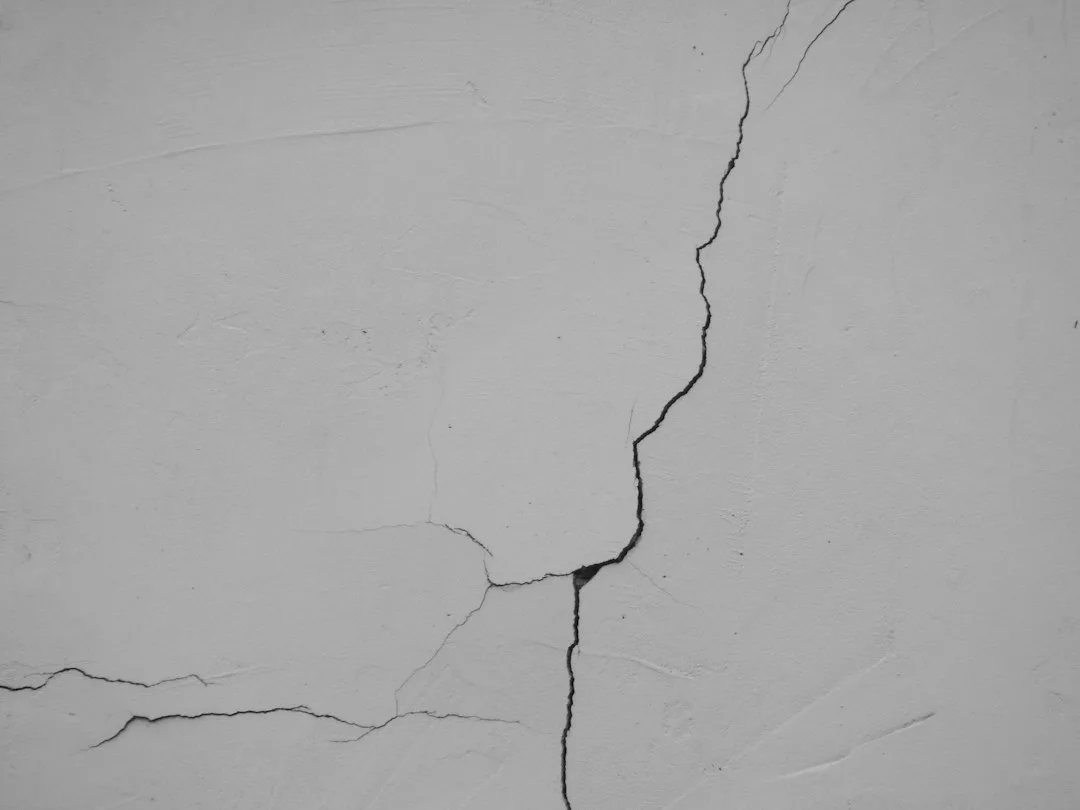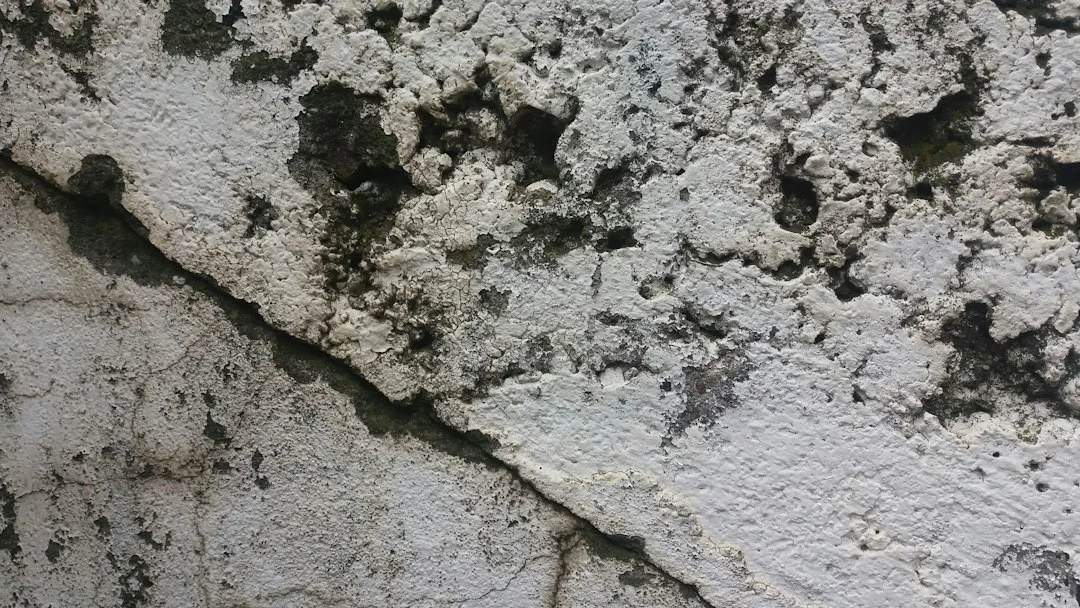
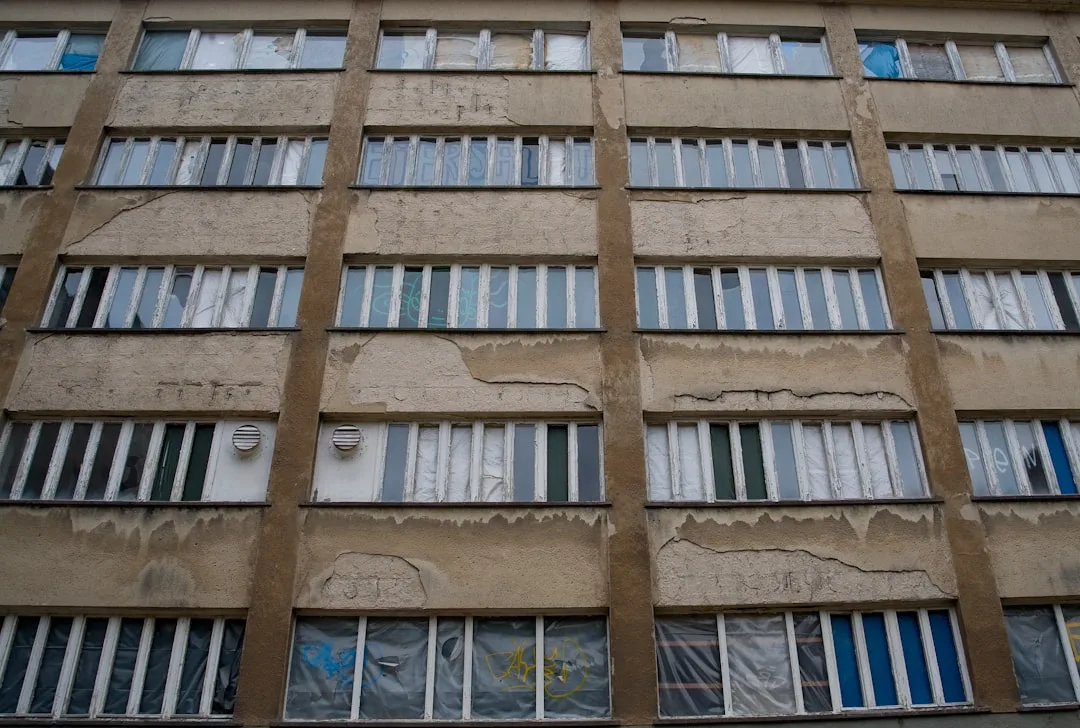
Most EPS facade bands installed on residential and commercial buildings lack the internal structural reinforcement that prevents deflection—and within 5 years, gravity and thermal stress cause them to settle and crack visibly. Contractors often omit structural chaining because it adds labor cost and complexity, but field experience shows buildings without it develop 3–8mm cracks running horizontally or diagonally across the band by year four, triggering expensive remediation or full replacement costing $8,000–15,000. This is not a defect in the material itself; it is a design and installation failure that could have been prevented at the source.
Why EPS Facade Bands Deflect Without Structural Support
EPS polystyrene foam has excellent insulation value and easy machinability, but its compressive strength is only 40–100 kPa depending on density grade. When a facade band (especially ornamental exterior foam moldings over 30 cm tall) spans horizontally without internal reinforcement, it acts as a cantilever beam under its own weight plus wind load and thermal expansion stress. Over months and years, the foam fibers creep—they gradually compress under sustained load—creating permanent deformation.
This creep accelerates when UV exposure and moisture penetration degrade the outer surface resin layer. Once the polymer begins to weaken, micro-fractures form at stress concentration points (edges, anchor points, geometric transitions). These micro-cracks are invisible for 18–24 months, but by month 36–48, they link together and become visible as a continuous crack running the length of the band. By month 60, sagging is typically 8–15 mm, and the facade band has lost structural integrity.
Structural Chaining: Physics and Installation (Years 1–10 Impact)
Structural chaining means embedding fiber-reinforced polymer mesh or alkali-resistant glass-fiber mesh directly into the EPS core during manufacturing or installation. This mesh acts as tension reinforcement, distributing point loads across the entire cross-section instead of concentrating stress at anchor points. Real-world testing by EIFS manufacturers shows that EPS bands with embedded mesh sustain 3–4 times more deflection load before failure than unreinforced foam.
The installation process requires:
- Core insertion: Mesh placed 20–30 mm from the back (structural) surface and 15–20 mm from the face, centered in the foam thickness.
- Adhesion: Mesh bonded using polyurethane or epoxy adhesive rated for EPS (not solvent-based, which dissolves foam).
- Coverage: Mesh overlaps 50 mm at seams; reinforcement density typically 90–160 g/m² (standard exterior-grade, not lightweight interior mesh).
Cost impact: Adding mesh reinforcement adds €8–15 per linear meter and requires 1–2 additional labor hours per 10 meters of band installation. Skipping it saves approximately $150–300 on a typical residential project—but that false economy triggers exponential costs later.
The 5-Year Failure Timeline: What Contractors Don’t Explain
| Timeframe | Observed Condition (Unreinforced EPS Band) | Reinforced Band Condition |
|---|---|---|
| Months 0–12 | No visible damage; UV and moisture begin surface degradation | No visible damage; mesh begins load distribution |
| Months 12–24 | Micro-cracking begins at anchor points; micro-cracks < 0.5 mm | Minimal cracking; mesh absorbs micro-stress |
| Months 24–36 | Visible cracks (1–3 mm); deflection 3–5 mm; finish paint may spall | Surface may show fine cracking only; no structural sag |
| Months 36–48 | Cracks widen to 4–8 mm; sagging visible to eye; water infiltration | Cracks stabilize or heal via sealant; no sag |
| Months 48–60+ | Cracks > 8 mm; sag 10–15 mm; facade band requires replacement | Band remains serviceable; sealant touch-ups only |
The timeline varies by climate (freeze-thaw cycles accelerate failure 30–50%) and exposure (south-facing, high-wind zones fail faster). In cold climates, the difference between reinforced and unreinforced bands becomes apparent by month 24–30 rather than month 48.
Installation Errors That Guarantee Failure
Beyond omitting structural chaining, field experience shows three critical installation mistakes that accelerate EPS facade band failure. First, anchoring without thermal breaks: fastening the band directly to structural masonry or concrete conducts heat and cold through the foam, creating expansion-contraction cycles that stress the foam fibers and crack finishes. Thermal-break anchors (nylon or composite clips rated ≥ R-0.5) cost €2–4 per anchor but reduce failure risk by 60–70%.
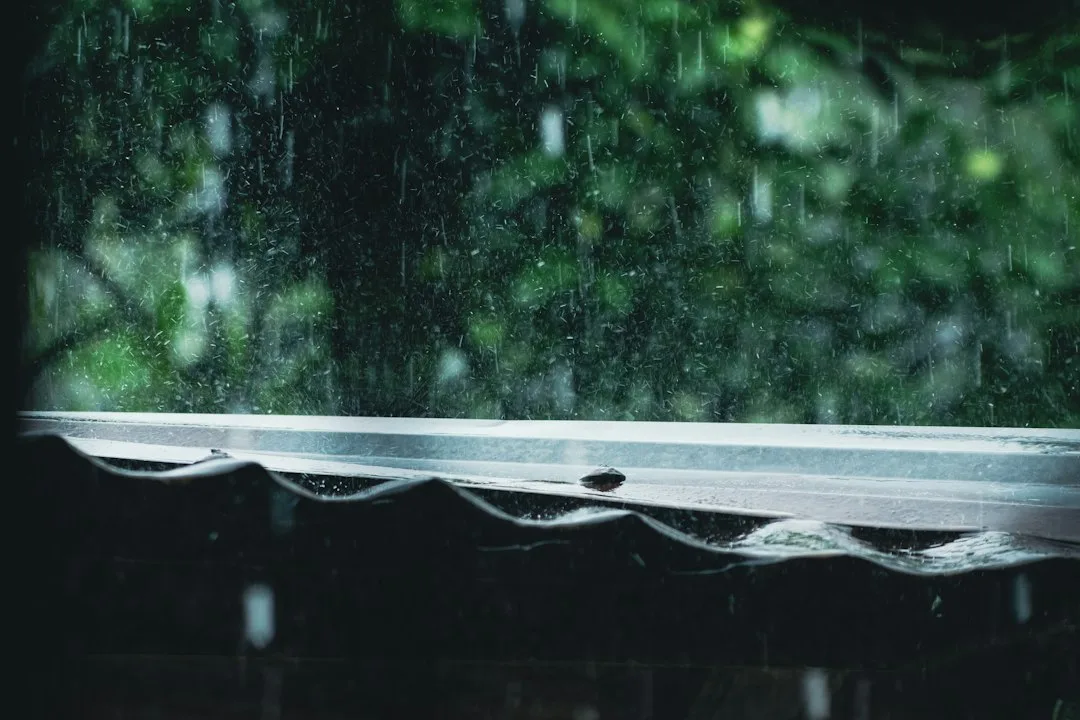
Second, inadequate drainage: EPS window sills and facade bands without slope calculation become water traps. Moisture trapped inside the foam degrades the EPS matrix and corrodes embedded mesh, causing accelerated failure. A 2–3% slope (1 cm drop per meter) and a weep-hole at the low end prevent pooling and extend service life by 5–10 years.
Third, missing vapor barriers on the back face: when foam is installed directly on damp masonry, moisture migrates into the EPS core, softening it and reducing compressive strength. A vapor-permeable membrane on the back (not a plastic sheet, which traps moisture) protects the foam while allowing drying. Real cost: €3–8 per m². Skipping it costs 3–4 times more in remediation.
Material Specifications and Real-World Costs
EPS polystyrene facade bands suitable for structural performance should meet EN 13163 (thermal insulation products) or ASTM C578, with density ≥ 20 kg/m³ and compressive strength ≥ 60 kPa. Brands like Austrotherm, Kingspan, and Recticel offer reinforced EPS bands at €40–80 per m² installed (material + labor). Unreinforced bands cost €25–45 per m², tempting contractors and budget-conscious homeowners—but that 40–50% savings evaporates when replacement costs €150–250 per m² in year 4 or 5.
Material costs for reinforcement mesh (alkali-resistant, 100–160 g/m²) run €3–8 per m² of band surface. Labor to embed mesh properly (two-step installation or factory integration) adds €8–15 per linear meter. For a 20-meter facade band, total reinforcement cost is €400–600. By comparison, replacement of a failed band (removal, new foam, reinstallation, finishing, repainting) costs €3,000–8,000 for the same span.
How to Specify and Verify Structural Chaining Before Purchase
Insist on written confirmation from the manufacturer or supplier that EPS facade bands include reinforcement mesh embedded during production. Request a material data sheet (TDS) showing mesh type, location, and adhesive system. Verify the product has been tested to EN 13162 or equivalent, with published deflection-under-load data at 24 months and 60 months.
On-site verification is simple: cut or drill a small test hole in a scrap sample (or request a cross-section photo from the supplier) to visually confirm mesh placement. Reinforcement should be visible 20–30 mm below the surface. If none is present, reject the material or negotiate a price reduction and plan for early replacement budgeting.
Installation specifications should mandate thermal-break fasteners every 40–50 cm, a 2–3% drainage slope, back-face vapor barrier, and mesh lap-seaming at band joints. These details add 3–5 hours of labor per 10 meters but eliminate 90%+ of deflection and cracking failures. Contractors who resist this specification are likely to cut corners elsewhere—a red flag for other quality issues.
Conclusion: Upfront Reinforcement vs. Expensive Remediation
EPS facade bands without structural chaining are a ticking timer—failure is not a matter of if, but when. The physics of foam deflection under sustained load, combined with UV and moisture degradation, guarantee visible cracking by month 48–60 in most climates. Reinforcement mesh costs 2–3% more at installation but prevents 95% of premature failures and extends service life from 5 years to 15–20 years.
For homeowners and contractors: specify reinforced EPS bands from manufacturers with proven ETICS credentials, verify mesh installation during construction, and insist on thermal-break anchoring and drainage design. The cost difference is minimal; the risk difference is enormous. Buildings with reinforced facade bands rarely require costly remediation; those without become expensive cautionary tales by year five.