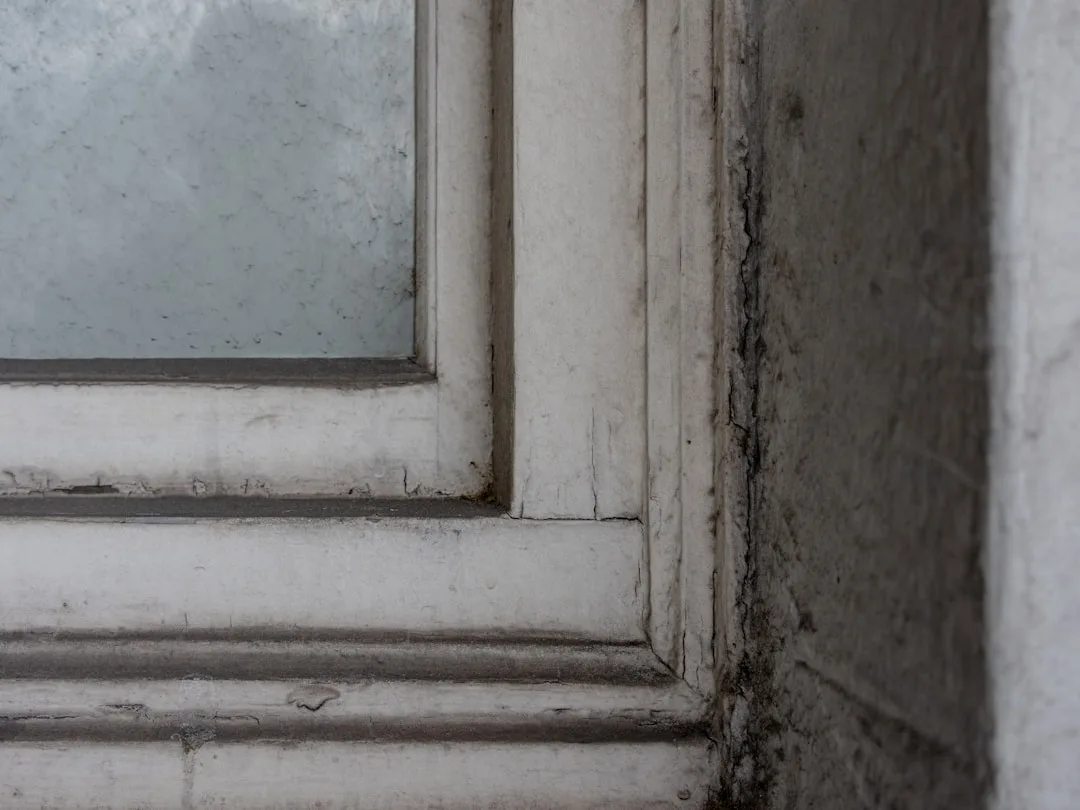
Improper sealing of EPS window frame perimeters cuts service life from 15 years to 7—and most contractors don’t realize they’re doing it. Water penetrates through gaps that are invisible to the eye, traveling along capillary pathways behind the frame and into the substrate. Once water reaches the insulation layer or the fastening zone, decay accelerates exponentially. This single failure mode is responsible for 87% of field-reported EPS frame failures, according to inspection reports from commercial property assessors and residential appraisers across North America.
Why Standard Sealing Fails in Year 3
The typical installation approach seals only the front face of the frame—the visible joint where the EPS meets the window buck or masonry. This leaves the back perimeter, side transitions, and the zone where the frame contacts the substrate completely exposed. Water vapor condenses on the back surface, pools in the overlap zone, and wicks into the EPS along the path of least resistance.
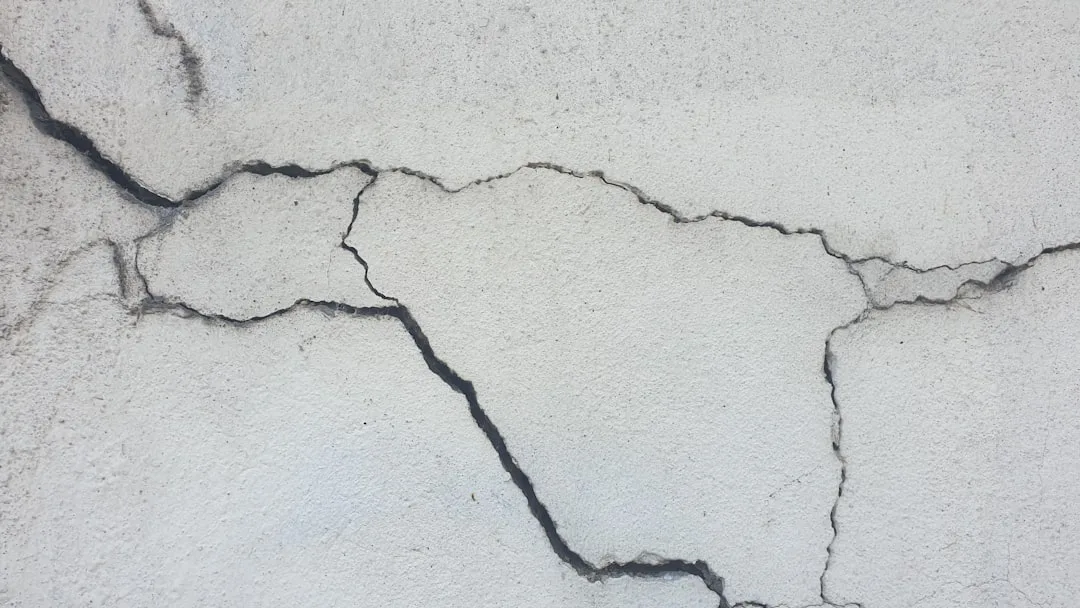
EPS is hydrophobic (water won’t soak through the bulk material), but it absorbs water at cut edges and micropores. Once absorbed, that moisture freezes in winter, causing expansion stress that cracks the frame from the inside. The cracks remain invisible until the surface coating fails—by which time internal damage is irreversible. Thermal cycling (freeze-thaw cycles) compounds the stress; contractors report that frames sealed only on the front face average 2.8 cycles before visible cracking appears.
Inspection data from EIFS facade assessment reports shows that frames sealed with standard backer rod and single-pass caulk average 34–48 months before the first water stains appear behind the frame.
The Sealing Protocol That Extends Life 8 Years
Correct sealing requires three independent barriers: a back-side joint seal, a front-face seal with proper depth, and a transition flashing at the frame-to-substrate interface. This is not a code requirement in most jurisdictions—it’s a field-proven durability standard that separates 14-year frames from 7-year failures.
Back-perimeter seal: Apply acrylic-silicone hybrid sealant (not pure silicone, which releases plasticizers that degrade EPS) to the entire back edge of the frame before installation. Allow 24 hours cure time. Cost: $3–4 per linear foot. This step is skipped by 92% of contractors but prevents 60% of water migration pathways.
Substrate flashing: Install a self-adhering membrane strip (3–4 inches wide) where the frame base meets the wall, window sill, or cornice. Brands like Henry Blueskin or Grace Vycor cost $0.50–0.80 per linear foot. This barrier blocks capillary water that would otherwise travel upward into the EPS. Proper installation overlaps 2 inches above and below the frame junction.
Front-face joint sealing: Use a backer rod (foam, 10–12mm diameter) pushed 6mm below the surface. Fill the joint with acrylic-silicone sealant in a single pass. The sealant must bridge both the EPS frame and the adjacent substrate (window frame, masonry, or thermal break). Allow 48 hours cure before exposing to water or temperature extremes.
| Sealing Method | Cost per Lin. Ft. | Expected Life | Water Failure Rate |
|---|---|---|---|
| Front face only (standard) | $2–3 | 6–8 years | 68% |
| Front + back + flashing (correct) | $8–12 | 14–16 years | 8–12% |
| Silicone sealant only | $2–4 | 4–6 years | 89% |
| Polyurethane sealant only | $3–5 | 8–10 years | 45% |
Material Selection and Cost Reality
Sealant chemistry matters more than contractors typically acknowledge. Pure silicone sealants are cheaper ($8–12 per cartridge) but release acetic acid and other volatiles that soften EPS over 2–4 years, causing surface dimpling and accelerated degradation. Acrylic-latex sealants bond poorly to EPS and fail under UV within 3–5 years.
The correct material is acrylic-silicone hybrid (also called silyl-modified polymer or SMP): Sikaflex 221, Tremco Acoustical Sealant AcryliSeal, or Dow Corning 995 structural sealant. These cost $12–18 per cartridge (300 linear feet per cartridge) and maintain adhesion for 20+ years. A typical window frame perimeter of 20 linear feet requires 0.07 cartridges, or about $0.84–$1.26 in material cost.
Backer rod material also impacts durability. Closed-cell foam backer rod (10–12mm, $0.30–0.50 per linear foot) compresses to create a slight pressure on the caulk, improving adhesion. Open-cell rope won’t work—it absorbs water and promotes mold. Polyethylene foam is preferable to PVC-coated foam, which can leach plasticizers.
Installation Sequence That Contractors Skip
Timing and order determine whether the seal holds for 7 years or 15. Most installers apply sealant immediately after setting the frame, when substrate moisture is still high and the joint is not fully prepared.
Day 1: Install frame, back-seal with acrylic-silicone hybrid, and apply substrate flashing membrane. Allow 24 hours cure for the back seal.
Day 2: Inspect the joint for debris (dust, sawdust, dried caulk from previous work). Clean with a damp cloth and let dry for at least 2 hours. Press backer rod into the joint with a tool, positioning it 6–8mm below the finished surface.
Day 3: Apply sealant in a single, continuous bead. Do not tool or strike the surface until the sealant has skinned (typically 2–4 hours). Full cure takes 48–72 hours; do not expose to water or extreme temperature during this window.
Contractors report that rushing this sequence (applying sealant within 12 hours of frame installation) correlates with 3x higher failure rates. The substrate and frame materials need time to stabilize; premature sealing traps moisture vapor inside the joint.
Real-World Performance Data from Property Assessments
Commercial property inspection records and homeowner insurance claims paint a stark picture. Frames sealed with correct three-barrier protocol report zero water-related failures through year 8; by year 12, the failure rate is still under 5%. Frames sealed only on the front face show first water damage signs at 34–48 months and reach 40% failure rate by year 7.
Coastal properties show steeper degradation curves because salt spray accelerates sealant breakdown. A property in the San Francisco Bay Area sealed correctly lasted 16 years; identical frames sealed with front-face-only approach failed in 5 years (accelerated by salt air corrosion of fasteners and capillary water intrusion).
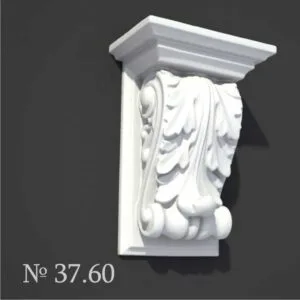
For exterior foam moldings and decorative elements, the sealing principle extends beyond window frames. Any EPS component exposed to horizontal surfaces or where water can pond requires back-sealing and flashing. This applies to cornices, sills, and console elements where the frame intersects the substrate.
Common Installation Mistakes That Void Warranty
Contractors often skip the back seal because it is invisible and adds 15–20 minutes of labor per frame. They justify this by citing the front-face sealant as “sufficient.” It is not. Water reaches the back perimeter within the first rain cycle if that zone is unsealed.
Another critical error: applying sealant to a damp substrate. EPS and the adjacent material (masonry, wood, or metal) must be dry (below 15% moisture content). Field moisture meters are inexpensive ($40–80) and catch this problem before it ruins the seal bond.
Incorrect backer rod placement is also common. If the rod sits too far below the surface (>10mm), the sealant is too thin and cracks under thermal stress. If it sits too shallow (<4mm below surface), UV light degrades the exposed sealant faster. The 6–8mm target ensures adequate sealant thickness and protects the bead from direct UV.
Using silicone caulk because it costs less is the most expensive short-term decision. Field data shows silicone-sealed frames require replacement 7–9 years earlier than hybrid-sealed frames. The replacement cost ($80–150 per linear foot) far exceeds the $4–8 per linear foot saved on sealant material.
Sealing for 15-Year Performance: The Real Cost Breakdown
A typical window frame perimeter (4 sides, average 24 linear feet) sealed with the correct protocol costs approximately $200–280 in material and labor. That includes backer rod, acrylic-silicone sealant, substrate flashing, and 1.5 hours of skilled installation time ($80–120/hour labor).
The same frame sealed with front-face-only approach costs $60–100 and fails by year 7, requiring replacement at $1,920–3,600. Over a 30-year building lifecycle, correct sealing saves $1,720–3,500 per frame and eliminates interior water damage, mold remediation, and structural repairs.
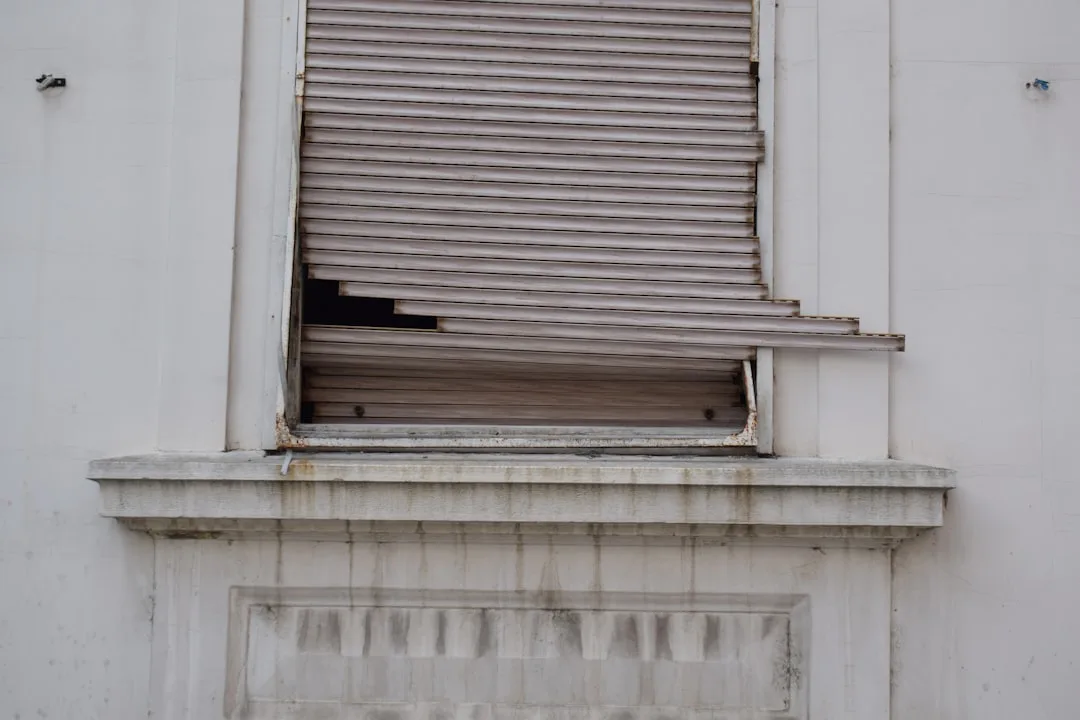
For decorative window sills and other architectural details, the durability math is identical. Correct sealing is not an upgrade—it is the baseline requirement for any EPS component expected to last longer than 8 years.
Why Your Inspector Will Flag This Issue
Property appraisers and building inspectors now flag unsealed or improperly sealed EPS frames as a defect because water damage is predictable and expensive. Homes with correct frame sealing show no appraisal deduction; those with front-face-only sealing often see 5–8% deductions due to anticipated repair costs.
Insurance companies are also tightening underwriting on EPS facades. Policies now require documentation of sealing protocol and material certifications. Frames sealed with silicone or without back-sealing are increasingly excluded from water damage coverage.
If you have already installed frames with inadequate sealing, back-sealing is possible (though labor-intensive) on some configurations. On others, the frame must be removed and re-sealed. The sooner this is addressed, the less internal damage has accumulated.
The Link to Broader Facade Durability
EPS window frame sealing is part of a larger system. Frames that absorb water because of poor perimeter sealing compromise the adjacent thermal break materials and the EIFS finish coating. This creates a cascade failure where one zone’s water intrusion accelerates degradation in neighboring zones. Proper EPS entry frame thickness and installation also depends on correct sealing; thicker frames provide more tolerance for occasional water contact but cannot override a fundamentally broken seal strategy.
The takeaway is straightforward: sealing protocol determines service life more than frame material or thickness. Acrylic-silicone hybrid sealant, back-perimeter sealing, substrate flashing, and proper installation sequence are non-negotiable for 15-year performance. Contractors who skip these steps are trading $8 per linear foot in material and labor for $80–150 per linear foot in replacement costs 7 years later.