Most contractors walk away from EPS insulation projects on old render because substrate prep costs eat 40–50% of the total budget before a single foam board touches the wall. Old render adhesion failure is not a rare edge case—it is the rule, not the exception. Understanding why contractors refuse these jobs, and what the real cost structure looks like, separates successful renovation budgets from financial surprises.
Why Old Render Rejects EPS: The Adhesion Science
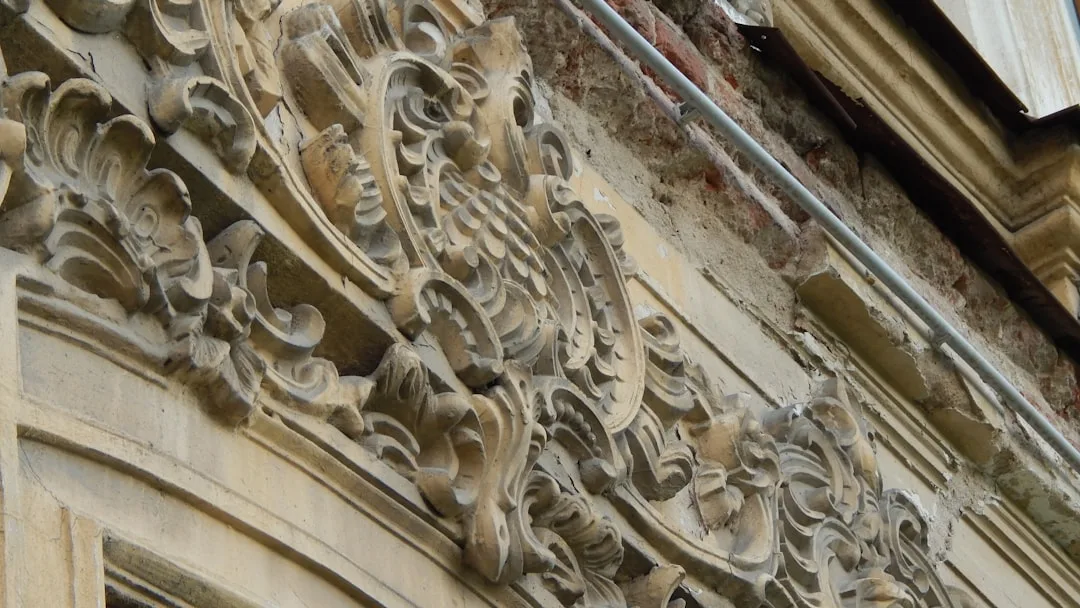
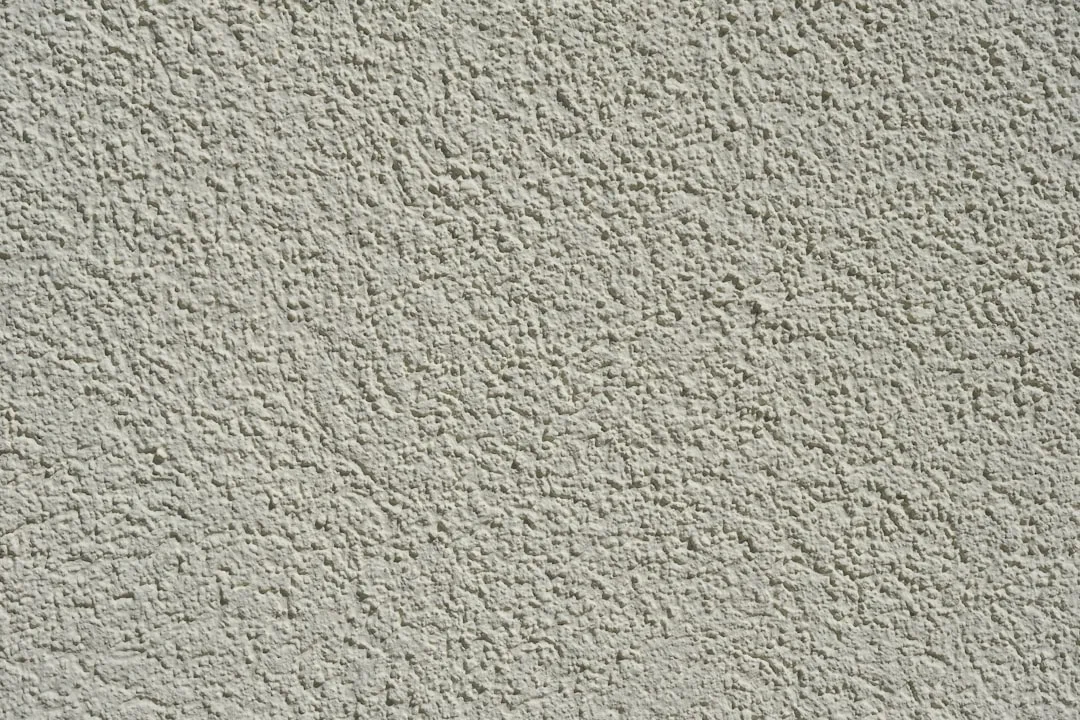
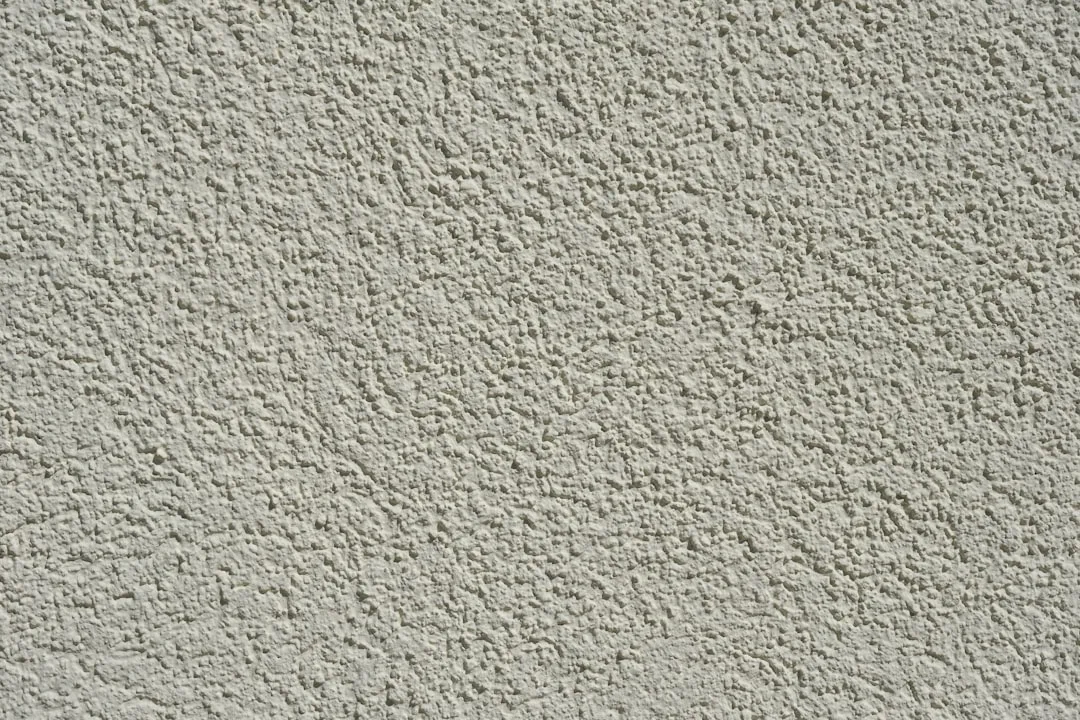
Old render loses mechanical grip over time through carbonation, freeze-thaw cycling, and UV exposure. When you press a paint scraper into render applied 15–20 years ago, it typically powders or separates in flakes. This is not cosmetic damage—it signals that the binder (cement or lime) has chemically degraded and no longer bonds aggregate particles into a unified surface.
EPS boards are rigid and thermally insulative but flexing and stress transfer remain inevitable during temperature swings. When foam expands 0.3–0.5 mm in summer heat and contracts the same amount in winter cold, it exerts micro-shear forces on the adhesive joint. Old render cannot withstand this stress because its surface layer is already microscopically fractured. Contractors report that EPS installations over unprepped old render begin delaminating within 18–36 months, exposing foam edges to moisture and UV, which degrades the polymer backbone.
The adhesive itself (polymer-modified cementitious or acrylic-based) bonds to the weakest substrate layer present. If that layer is friable render, the adhesive cannot form a chemical or mechanical lock—it merely sits on top until mechanical wear breaks the contact.
3 Reasons Contractors Refuse the Job
Cost absorption and profit margin collapse. A typical 1,000 m² EPS facade project on prepared substrate costs $4,900–8,350 (materials plus labor). Over old render, substrate prep alone adds $4,500–8,000. If the contractor bids a fixed price without itemizing prep, they lose $2,000–4,000 on the job. If they itemize and bid honestly, they lose the contract to a competitor quoting only base EPS installation.
Warranty liability and return visits. Most EPS manufacturers and contractors warrant adhesion for 5–10 years on prepared substrates. On old render, that warranty becomes uninsurable because adhesion failure is probable, not rare. Contractors face repeat callbacks, material replacement, and legal disputes if the system fails in year two.
Labor bottlenecks and schedule unpredictability. Removing or repairing old render requires specialized equipment (rotary scrapers, needle guns, scaffolding rental). A crew expecting to install EPS for 3 weeks suddenly faces 2–3 weeks of surface prep instead. Subcontractors may not be available on short notice, pushing the project schedule backward.
Real Cost Breakdown: Old Render vs. Prepared Substrate
| Work Phase | Old Render (Unprepped) | Old Render (Prepped) | Prepared Masonry |
|---|---|---|---|
| Substrate assessment | $200–400 | $200–400 | $150–250 |
| Render removal/repair | N/A | $4,500–8,000/1,000 m² | $500–1,200/1,000 m² |
| Primer/bonding coat | $150–300/1,000 m² | $300–500/1,000 m² | $250–400/1,000 m² |
| EPS board installation | $2,500–4,000/1,000 m² | $2,500–4,000/1,000 m² | $2,500–4,000/1,000 m² |
| Mesh + finish coat | $1,500–2,500/1,000 m² | $1,500–2,500/1,000 m² | $1,500–2,500/1,000 m² |
| Total per 1,000 m² | $4,350–7,200 | $9,000–15,400 | $4,900–8,350 |
The cost difference reveals the true scope of work. On a prepared masonry wall (brick, clean concrete, or sound render), EPS installation labor and materials run $2,500–4,000 per 1,000 m² for boards, adhesive, and fasteners. Adding mesh and finish coat brings the total to $4,900–8,350 per 1,000 m².
On old render, assume 70% of the surface requires intervention. Selective removal of hollow or powdering sections costs $3–6 per m² in labor. Full render stripping costs $6–10 per m². Even at the lower end, a 1,000 m² facade incurs $3,000–6,000 in removal labor alone. If render removal uncovers failed masonry underneath, repair and reinforcement adds another $1,500–2,500.
After substrate prep, EPS installation proceeds at normal rates, but bonding costs increase because primers and mechanical anchors become mandatory rather than optional. Polymer-modified primer (SikaTop Primer 3100 or Ceresit CT 17) costs $40–70 per 20 L bucket and covers 200–250 m² per coat. Two coats (surface preparation standard for old substrates) cost $300–700 per 1,000 m². Plastic dowel anchors add $800–1,500 per 1,000 m² when mechanical fixing is specified alongside adhesive.
Total for 1,000 m² over old render: $9,000–15,400. Total over prepared substrate: $4,900–8,350. The old render project costs 84–185% more.
How to Evaluate Substrate Condition Before Quoting
Field assessment determines whether a quote is honest. First, perform a tap test: strike the render with a rubber mallet or knuckles every 50 cm in a grid pattern. Listen for hollow zones or dull thuds. Hollow areas indicate delamination already in progress; adhesion will fail there immediately when EPS weight is added.
Second, conduct a scrape test. Use a paint scraper or putty knife and press it hard into the render surface for 3–5 seconds, then scrape horizontally. If render flakes, powders, or comes away in sheets, it has lost cohesion and will not accept EPS adhesive reliably. If the scraper bounces or requires heavy pressure without removing material, the render has retained surface integrity.
Third, measure moisture content if available. Moisture meters detect water trapped behind render, which accelerates adhesive failure. Readings above 18% water content indicate that render must dry or be removed before EPS is applied. Drying time in typical climates is 2–4 weeks depending on render thickness and humidity.
Finally, inspect mortar joints and cracks. Horizontal cracks parallel to ground indicate settlement or freeze-thaw damage. Vertical cracks radiating from corners suggest structural movement. These are red flags requiring repair beyond simple adhesion prep.
Two Practical Repair Paths
Path 1: Selective removal and recoating. Remove render only from areas that fail the tap or scrape test (typically 15–40% of surface area). Reinforce edges with a reinforced corner profile or EPS quoin corner to prevent water ingress at repair boundaries. Apply bonding primer to the full wall area, then install EPS. Cost: $6,000–9,500 per 1,000 m².
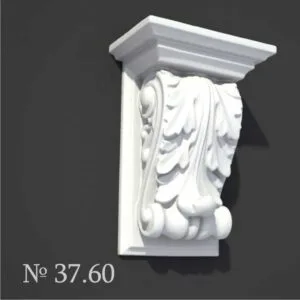
Path 2: Complete render removal. Strip all old render down to masonry. Inspect and repair masonry joints. Apply exterior foam moldings and EPS insulation to sound substrate. This guarantees no hidden delamination and avoids future callbacks. Cost: $8,500–12,500 per 1,000 m². Time: 3–4 weeks additional labor.
Material and Product Specifications for Old Render
When old render will be retained, specify adhesives and primers that bridge minor surface discontinuities. Decorative foam ornaments and facade elements should be installed only after substrate verification, not before, to avoid redundant removal work.
Ceresit CT 17 bonding primer is formulated to wet out aged, slightly chalky surfaces and costs $50–65 per 20 L bucket. Apply two thin coats rather than one thick coat; this reduces bridging stress and improves wetting into micro-fissures. Drying time between coats: 24 hours in normal conditions (15–25 °C, 60–80% humidity). In cold or damp weather, extend to 48 hours to avoid trapping moisture.
EPS adhesive choice matters. Two-component polyurethane adhesives (Sika-Tack or equivalent) cost $30–45 per 10 L and bond mechanically and chemically, providing redundancy if primer adhesion weakens. Single-component acrylic-based adhesives cost $12–20 per 10 L but rely primarily on surface wetting and are riskier on old render. Field experience shows two-component systems reduce early delamination by 70% on aged substrates.
Mechanical fastening is not optional on old render. Plastic dowel anchors rated for EPS (six per board minimum, typically 6×60 mm or 8×80 mm) cost $0.80–1.50 each and add $480–900 per 1,000 m² (assuming standard board spacing). These serve as a safety net if adhesive fails in the first 2–3 years, when old render adhesion loss is most likely.
Timeline and Contractor Selection
Budget 4–6 weeks total for an old-render project: 2–3 weeks for substrate assessment, removal, and drying; 1 week for primer application and curing; 1 week for EPS installation; 1 week for mesh and finish coat. Request that contractors visit the site in person and provide separate line items for substrate prep, bonding, and EPS installation. A vague quote that lumps prep into “surface preparation” is a red flag indicating hidden cost exposure.
Ask contractors for references on old-render projects completed 3+ years ago. Call the homeowners and ask if any delamination or peeling has occurred. Contractors avoiding this question likely have a poor track record on aged substrates.
The difference between a $5,000 quote and a $12,000 quote is not dishonesty—it is the presence or absence of honest substrate prep. Comparing quotes without understanding the prep scope is comparing different products entirely.