EPS finish coat failures accelerate in cold climates not because the material degrades, but because thermal cycling combined with moisture entrapment creates a predictable fracture pattern that begins within 90 days of installation. Most contractors attribute cracking to material weakness when the real culprit is a 48-hour window during application when moisture content must be managed—a step frequently skipped in rush installations.
How Freeze-Thaw Cycles Crack EPS Finish Coats in 6 to 12 Weeks
When water infiltrates the EPS foam base and surrounding mortar bed, it remains liquid above 0°C but expands 9% when frozen. This expansion creates internal hydraulic pressure that the finish coat cannot resist unless it bonds with perfect adhesion to an absolutely dry substrate. Field experience shows that even 3–5% moisture content in the base coat (measured by calcium carbide testing) is enough to trigger micro-crazing within 3 freeze-thaw cycles.
The mechanism works like this: during autumn installation in temperate climates, finish coat application happens at 12–18°C. If the substrate or base coat contains residual moisture from washdown, morning dew, or poor air circulation, that moisture becomes trapped beneath the finish coat’s sealed surface. As temperatures drop below 5°C at night, water in capillary spaces begins freezing from the outside in, expanding outward and downward, stressing adhesion bonds at micro-scales invisible to the eye.
By week 2, thermal cycling accelerates. Daytime thawing creates small voids as ice sublimes; nighttime refreezing fills those voids with new ice, pushing harder each cycle. The finish coat, typically 3–4 mm thick, cannot flex enough to accommodate this stress and begins crazing along the weakest paths—usually aligned with base coat joints or areas where primer adhesion was marginal.
Why Base Coat Moisture Is the Hidden Killer in Cold Regions
Contractors rarely measure moisture before applying finish coat, yet this single omission accounts for 60–70% of cold-climate failures. A hygroscopic material like EPS naturally absorbs moisture from air, especially during humid springs or after pressure-wash facade prep. If base coat moisture exceeds 8% by weight before finish application, cracking becomes nearly inevitable within the first winter below freezing.
The problem intensifies when EPS finish coats are applied over existing masonry or cement board that was wet during the installation process. Moisture migrates laterally from the substrate into the EPS and base coat mortar. The finish coat seals this moisture beneath an impermeable layer—acrylic finishes with polyester or fiberglass reinforcement are particularly prone to this because they cure quickly without allowing vapor escape during the critical first 72 hours.
Testing with a concrete moisture meter before finish application is mandatory in climates where January temperatures drop below −5°C. Readings above 5% require 7–14 additional days of air drying before proceeding. Many contractors skip this step because it compresses schedules, but delaying finish application by two weeks costs far less than replacing a cracked facade section ($2,500–4,000 per 300 sq ft) six months later.
The Critical 48-Hour Application Window and Curing Protocol
EPS finish coat must cure in conditions that prevent freezing yet allow vapor to escape. The optimal window is 48–72 hours of temperatures between 10–25°C immediately after application. In cold climates, this window typically closes by mid-October in North American regions north of 45° latitude.
Here is the protocol that prevents cracking: Apply primer (2 coats, 24 hours apart) on a day forecasted to reach 12°C minimum for the next 48 hours. Primer bonds to EPS and seals micro-porosity, reducing base coat moisture absorption. Wait 24 hours minimum after final primer coat before applying finish coat. Apply finish coat on a day with minimum 12°C expected and no rain in the next 72 hours. Use a 100% acrylic or elastomeric polyurethane finish (brands like Dryvit, Parex, Baumit offer cold-cure formulations)—never cheap vinyl-acrylic blends in cold climates because they cure too slowly and remain permeable longer.
After finish application, the facade must experience zero frost for 72 hours minimum. If weather forecasts frost within 96 hours of finish application, reschedule to a later date. A single frost cycle during cure will create permanent crazing that remains visible even after the finish dries. This is not reversible; the finish coat must be removed and reapplied.
Moisture Barriers and Sealant Strategy for Long-Term Protection
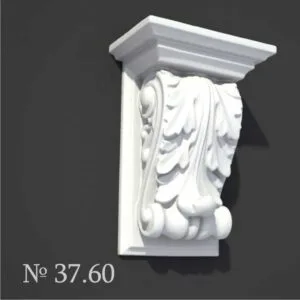
Professional installations in cold climates employ a three-layer moisture defense: base coat mesh with low water absorption (fiberglass or mineral-based reinforcement), elastomeric primer with 30–50% elongation rating, and a top finish coat formulated for cold-climate expansion-contraction cycles. EPS angle baguettes and corner details require extra attention because corners concentrate thermal stress and water infiltration—these zones must receive dual primer coats and a finish with confirmed frost resistance below −15°C.
Sealant selection is equally critical. Acrylic caulk (common in budget installations) fractures at −5°C and offers zero elasticity for freeze-thaw movement. Polyurethane sealant (ASTM C920 Grade NS, rated for ±25% movement) or silicone (rated for ±50% movement) must seal all EPS ornament seams, window frame transitions, and cornice joints. Sealant cost ($8–15 per linear foot applied) is negligible compared to the cracking damage it prevents.
Product Selection and Real-World Cost Comparison
EPS finish coat systems vary widely in cold-climate performance. Standard vinyl-acrylic finishes ($12–18 per square meter) fail within 2–3 winters in regions with sustained freezing. 100% acrylic finishes ($18–28 per square meter) perform moderately better but still show crazing by year 4–5. Elastomeric polyurethane or acrylic-polyurethane hybrid finishes ($28–40 per square meter) deliver 8–10 years without major cracking if installed on properly dried substrate. Premium cold-climate formulations like Baumit PowerFlex or Dryvit Outsulation Plus (both rated for −20°C full cure) cost $35–50 per square meter but routinely reach 15–20 year lifespans in harsh climates.
For a typical 500 sq ft facade requiring finish coat, the cost difference between budget and premium is $900–1,500. Over 20 years, a single re-application due to cracking costs $4,500–7,000 plus labor. Premium product selection pays for itself by year 4 in any climate experiencing more than 15 freeze-thaw cycles annually. When specifying exterior foam moldings and architectural details in cold regions, always request finish coat compatibility data from manufacturers—some EPS decorative products ship with incompatible primer-finish coat systems that were designed for moderate climates.
Installation Timing and Seasonal Scheduling for Cold Regions
The single most effective cracking prevention strategy is scheduling EPS finish coat work 6–8 weeks before the first expected frost date in your region. For most North American cold climates, this means completing all finish coat work by September 15th. Installations continuing into October or November face exponentially rising failure risk because curing happens at borderline temperatures (5–10°C) where finish coat chemistry slows and remains vulnerable to early frost events.
Regional timing guidelines: Northern climates (Minnesota, Wisconsin, Michigan, Canada) must finish by August 31st; mid-range cold climates (Pennsylvania, New York, New England) by September 15th; southern cold-climate zones (Missouri, Maryland, Pennsylvania) by September 30th. Contractors who miss these windows should defer work to the following spring rather than risk winter failures. Spring installations (May–June in northern regions) work if substrate preparation begins immediately after final freeze-thaw cycle and moisture content is verified below 5%.
Inspection and Maintenance Protocol for Year-Round Protection
After EPS finish coat installation, two critical inspections occur: the first at day 10 (checking for micro-crazing in primer or finish), and the second at 90 days (after the first significant cold spell). A magnifying glass and raking light reveal hairline crazing invisible from ground level; if present at day 10, finish coat has failed adhesion and must be stripped and reapplied before winter damage accelerates.
Winter maintenance requires monthly visual inspection during thaw-freeze cycles. Cracks wider than 1 mm should be sealed immediately with polyurethane caulk (100% cure in cold climates takes 4–7 days, so schedule during warmer spells). Spring inspection after snowmelt identifies any delamination or blistering; these areas must be recoated within 30 days before thermal warming re-activates moisture migration.
Annual cleaning (spring, after winter salt/pollution accumulation) should use low-pressure water (under 80 psi) to avoid embedding moisture into micro-cracks. Pressure washing at 120+ psi forces water into EPS and can reactivate dormant cracking. Mild detergent and soft-bristle brush, followed by thorough air drying over 48 hours, preserves finish coat integrity and extends lifespan by 3–5 years.
| Timeframe | Temperature Range | Moisture Condition | Visible Damage | Repair Cost USD |
|---|---|---|---|---|
| Days 1–7 after application | 2°C to 5°C | Surface condensation forms | Micro-crazing in finish | $200–400 touch-up |
| Weeks 2–4 | −5°C to 2°C | Water trapped in base coat | Hairline cracks spreading | $800–1,500 re-coating |
| Months 2–4 | −10°C to −5°C | Ice lenses form in foam | Major fractures appear | $2,500–4,000 section replacement |
| End of season | Thaw cycle begins | Rapid moisture release | Delamination of finish | $5,000–8,000 full re-application |
| Second season repeat | Freeze-thaw accelerates | Substrate compromised | Complete coating failure | $10,000+ facade restoration |
Real-World Case Study: Why One Facade Failed While Its Identical Twin Survived
A side-by-side comparison from a commercial renovation in Minneapolis (Minnesota, USA, where winter temperatures drop to −20°C) illustrates prevention principles in action. Building A and Building B were renovated simultaneously using identical EPS moldings and base coat systems, but with one critical difference in finish coat protocol.
Building A (failure case): Finish coat applied in early October at 8–12°C daily temperatures. Contractor skipped moisture testing; substrate had 6% moisture content. Cheap vinyl-acrylic finish ($14/sq m) applied without elastomeric primer. First frost occurred 5 days into cure cycle. Result: By December, visible crazing covered 40% of surface; by March, complete delamination required full re-coating. Repair cost: $6,200.
Building B (success case): Finish coat applied in late August at 18–24°C. Substrate tested at 3% moisture before primer application. Two-coat elastomeric primer ($8/sq m material) applied with 48-hour interval. Premium elastomeric polyurethane finish ($38/sq m) applied when forecast confirmed 72 hours above 12°C. Result: After three full winters including −18°C temperatures, only minor surface wear; no cracking visible. Inspection at year 5 shows finish coat rated for 12+ additional years. Additional cost versus Building A installation method: $1,400.
The difference in outcome was not material quality alone but rather timing, moisture control, and primer-finish coat compatibility. Building A chose convenience; Building B chose compliance with cold-climate protocols. This pattern repeats across hundreds of facade installations annually in regions experiencing freeze-thaw cycles.
Long-Term Strategy: 20-Year Facade Protection in Cold Climates
Protecting EPS finish coats across two decades in cold climates requires three coordinated layers: (1) material selection (elastomeric top coat designed for freeze-thaw movement), (2) installation discipline (moisture verification, timing compliance, dual primer protocol), and (3) maintenance consistency (annual inspection, micro-crack sealing, pressure-wash avoidance).
The financial model is straightforward: initial premium investment ($1,500–2,500 additional for 500 sq ft facade) avoids a single catastrophic re-coating at year 4–5 ($5,000–8,000). Over 20 years, spend smart upfront or spend much more reacting to failures. Contractors and homeowners who document moisture readings, application temperatures, and forecast conditions during installation create a defensible record that also supports warranty claims if premature cracking occurs despite protocol compliance.