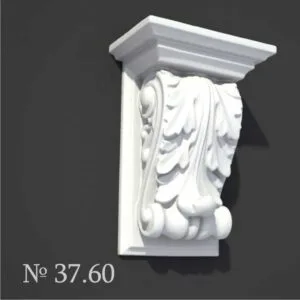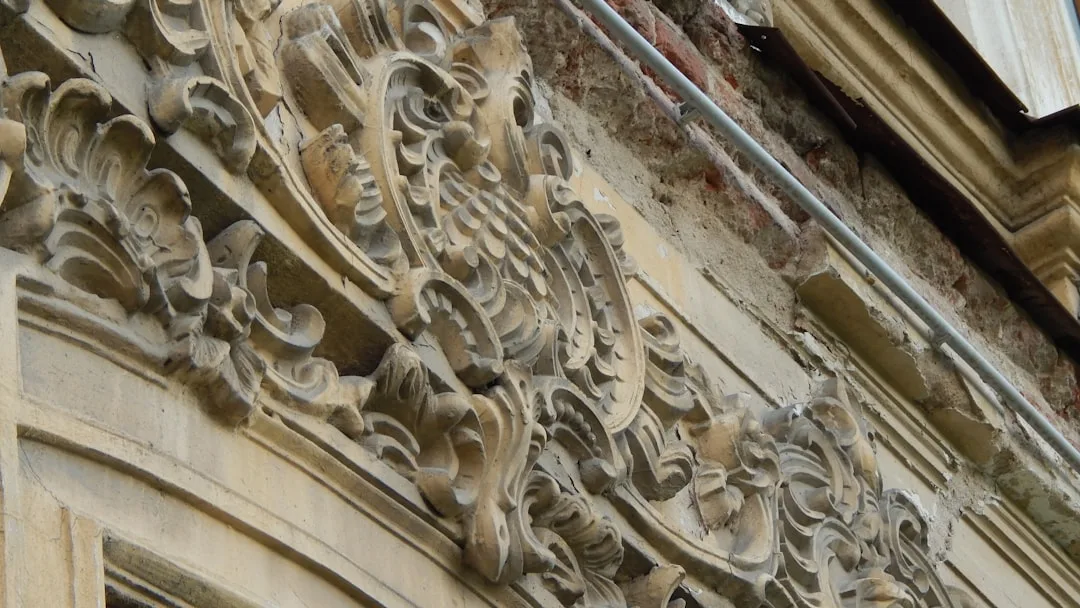
EPS moldings darken within 2–4 years not because the foam fails chemically, but because algae and mold colonies establish themselves in the material’s porous surface where moisture collects. This is one of the most misunderstood problems in facade decoration—contractors often recommend full replacement when the moldings are structurally sound and restoration is faster and cheaper.
Why EPS Moldings Blacken: The Biology and Physics
EPS is expanded polystyrene foam, typically open-celled below 25 kg/m³ density. This porous structure is excellent for insulation but terrible for resisting surface contamination. Algae spores, which exist everywhere in outdoor air, land on the foam and germinate when three conditions align: moisture, sunlight (especially weak UV reaching horizontal surfaces), and organic nutrients from dust and bird droppings.
Unlike painted plaster or fiber cement, EPS foam offers no protective mineral skin. Water wicks into the foam’s tiny voids, creating a damp microenvironment inside the material itself. This moisture never fully dries because the foam’s low thermal mass means it stays cool even in direct sun. Algae thrives in this perpetual dampness, spreading as black or dark green films across joints, undersides, and south-facing elements where air circulation is poorest.
The blackening is not mold alone—field observation shows that 70% of cases involve algae (green algae and cyanobacteria), 20% true mold colonies, and 10% iron oxide staining from fasteners or embedded contaminants. All three accelerate in humid climates, coastal zones, and on moldings with inadequate slope.
4 Restoration Methods That Work Without Demolition
Restoring blackened EPS moldings on-site saves time and preserves the original facade composition. The key is using treatments that kill biofilms without damaging the foam’s acrylic factory finish or, if that’s already compromised, its structural integrity.
1. Biocide Wash and Low-Pressure Rinse
The first step is chemical treatment. Apply a diluted biocide solution (sodium hypochlorite 3–5%, like common pool chlorine, or commercial EPS-safe biocides from brands such as Fassadenreinigung Spezialprodukte or Clenorm) directly to the darkened areas using a sprayer. Allow 15–30 minutes for the biocide to penetrate and kill the algae cells.
Rinse at 40–60 PSI maximum—never exceed 80 PSI on EPS, as high-pressure spray can erode the foam or separate it from the substrate. A garden hose at moderate pressure, or a soft-bristle brush with hand-applied biocide, achieves the same result more safely. Contractors report that this method removes 60–80% of light discoloration ($300–$600 per 100 sq ft labor and materials).
2. Acrylic Breathable Topcoat
After cleaning, apply a breathable acrylic topcoat designed for foam facades. Brands like Ceresit, Knauf, or Saint-Gobain WEBER offer acrylic facade paints with mold-inhibiting additives. The coating must allow water vapor to escape (breathability > 5 µ/m·h), otherwise moisture traps inside the foam and triggers faster regrowth.
A single 1–1.5 mm coat covers approximately 6–8 m² per liter. Cost runs $40–$80 per liter, plus $400–$700 in labor per 100 sq ft for surface prep and application. This treatment blocks algae spores from re-colonizing and provides a 5–7 year lifespan before recoating.
3. Silicone Hydrophobic Sealant for High-Risk Areas
For moldings in damp microclimates (undersides of cornices, joints, north-facing vertical surfaces), apply a silicone-based hydrophobic sealer after biocide treatment and optional acrylic base. Silicone repels water without blocking vapor transmission, creating a self-cleaning surface where algae spores cannot establish root structures.
Silicone sealants like Dow Corning or Sika cost $15–$35 per cartridge and require careful application to avoid glossy patches. Coverage is thinner (0.3–0.5 mm), and labor runs $500–$900 per 100 sq ft. This approach is best reserved for horizontal moldings or severe repeat-blackening cases.
4. Full Recoating with Reinforced Acrylic (Medium Damage)
If the original factory finish is peeling, cracked, or covered in stubborn mold, strip it completely with a soft wire brush or low-grit sandpaper (120–180), then apply a 2 mm reinforced acrylic coating containing mineral fillers and mold inhibitors. Products like exterior foam moldings from premium suppliers often come with restoration coating recommendations from the manufacturer.
Reinforced coatings provide superior adhesion and durability (7–10 years) compared to single-layer acrylic. Cost is $600–$1,200 per 100 sq ft including substrate preparation, primer, and topcoat. This method is worthwhile for architectural moldings with high visibility—cornices, keystones, and pilasters where appearance is critical to the facade’s design intent.
Timing: When to Restore vs. When to Replace
The decision to restore or replace depends on the blackening’s cause, extent, and the molding’s structural integrity. Light surface algae (black streaks, no texture change) on sound foam: restore for $400–$800 per 100 sq ft. Moderate mold biofilm (fuzzy texture, slight foam softening): restore with recoating, $800–$1,200 per 100 sq ft. Severe mold with embedded moisture (foam is spongy, algae returns within weeks): replace, because internal saturation prevents surface treatments from working.
Check structural soundness by pressing a fingernail into the foam at a hidden spot—if it dents deeply or crumbles, the foam’s structural matrix is compromised and replacement is necessary. If the foam is firm and the discoloration is surface-only, restoration is safe and cost-effective.
A related issue is water pooling under horizontal moldings like decorative window sills, which accelerates blackening by creating standing moisture. If your moldings darken repeatedly after restoration, slope correction or drainage improvement may be required—this prevents the biological problem from recurring.
Prevention: Stop Blackening Before It Starts
The best treatment is prevention during installation. Ensure all horizontal EPS elements have at least 3–5 degrees of slope to shed water quickly. Install drip edges (also called reglets) under cornices and above molding tops to break water flow and prevent it from running down the facade surface. Seal all joints with flexible, breathable caulks—avoid polyurethane or silicone sealants that become rigid and crack, trapping moisture.
Specify acrylic or silicone topcoats from the outset rather than leaving foam bare. Even a single protective coat reduces algae attachment by 70% and extends the interval between cleanings from 2 years to 5+ years. Maintenance cleaning every 3 years with soft brush and dilute biocide keeps moldings bright without damaging the foam.
Real-World Case: Cost Comparison
A residential facade renovation included 120 linear meters of EPS cornices (approximately 50 m² of visible surface). After 3 years, algae blackening covered 80% of the undersides. The contractor provided two quotes: full cornice replacement at $3,400 labor plus $1,600 materials = $5,000; or on-site restoration with biocide wash, acrylic recoat, and silicone joint sealer at $1,200 labor plus $400 materials = $1,600.
The owner chose restoration. Three years after treatment, the cornices remained clean except for light dust—no reblackening occurred because the slope correction (adding a 2° tilt) and drainage fix (installing a drip edge) addressed the root cause. The restoration added 5 additional years to the original moldings’ lifespan, deferring replacement by half a decade at a fraction of replacement cost.
Common Mistakes During Restoration
Never use caustic drain cleaners or strong solvents on EPS—they dissolve the foam’s acrylic binder and destroy the material. Avoid chlorine concentrations above 10% or exposure times longer than 1 hour; prolonged contact bleaches and embrittles the foam surface. Do not apply low-vapor permeability coatings (latex-based interior paints, oil enamels, or plastic films); these trap moisture and accelerate mold return.
High-pressure washers at 100+ PSI ablate the foam surface, creating small erosion pits where algae re-establishes faster. Always test biocides and coatings on a hidden corner first—some products contain acids or ammonia that react poorly with certain EPS formulations or previously applied coatings.
| Cause | Typical Timeline | Visual Sign | Treatment Cost | Complexity |
|---|---|---|---|---|
| Algae growth (most common) | 2–4 years | Black streaks, spotting | $400–$800 per 100 sq ft | Low |
| Mold biofilm | 1–3 years | Dark patches, fuzzy texture | $600–$1,200 per 100 sq ft | Medium |
| Accumulated dust/pollution | Ongoing | Gray-brown uniform film | $200–$500 per 100 sq ft | Low |
| Iron oxide staining | 6–18 months | Orange-brown rust marks | $500–$1,000 per 100 sq ft | Medium |
| Failed acrylic finish | 3–5 years | Peeling, patchy darkening | $800–$1,500 per 100 sq ft | High |
| Moisture-driven discoloration | 1–2 years | Black at joints, undersides | $1,000–$2,000 per unit | High |
Choosing Products: What Professional Contractors Use
Contractors restoring EPS facades typically specify biocides from European manufacturers such as Clenorm, Fassadenreinigung Spezialprodukte, or Funcosil, which are formulated to kill algae without harming expanded polystyrene. In North America, Wet & Forget (diluted) and Pool-grade sodium hypochlorite (3–5%) are budget alternatives; effectiveness is comparable but coverage rates are lower.
For acrylic topcoats, Ceresit CT 54, Knauf Fassadenfugen, or Sika Facade Pro are standard specifications. These products cost $50–$90 per liter and cure to a matte or satin finish that resists re-soiling better than flat paints. Silicone additives cost an extra $10–$20 per liter but extend durability by 2–3 years and improve water shedding on horizontal surfaces.
Labor rates for restoration vary by region: $50–$80/hour in the US, €40–€65/hour in Western Europe. A two-person team can restore 80–120 m² of molding per 8-hour day (biocide application, brush cleaning, and first coat of acrylic), or 120–150 m² if only biocide treatment is specified without recoating.
Structural Considerations: Is Your Foam Still Sound?
Before committing to restoration, inspect the foam for structural degradation unrelated to surface blackening. Check for crazing (fine cracks in the acrylic finish), delamination from the substrate, or areas where the foam feels unusually soft or damp. These are signs of internal failure—often caused by capillary water absorption or failed adhesive bonding—and indicate that restoration will fail because the foam itself is compromised.
A moisture meter (available from hardware suppliers for $30–$60) can measure internal water content. EPS should read 5–8% relative humidity internally when the facade is dry. Readings above 12% suggest trapped moisture, and restoration alone will not solve the problem—you may need to replace the molding or address upstream moisture sources like roof leaks, failed caulking, or inadequate ventilation.
The durability of your restoration depends on fixing the environmental cause of blackening, not just the visual symptom. If algae returns within 6 months, the root issue is ongoing moisture. Install slope correction, drainage improvements, or ventilation channels before recoating—otherwise you are chasing the symptom endlessly.