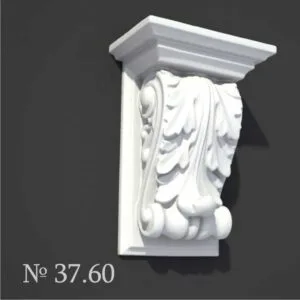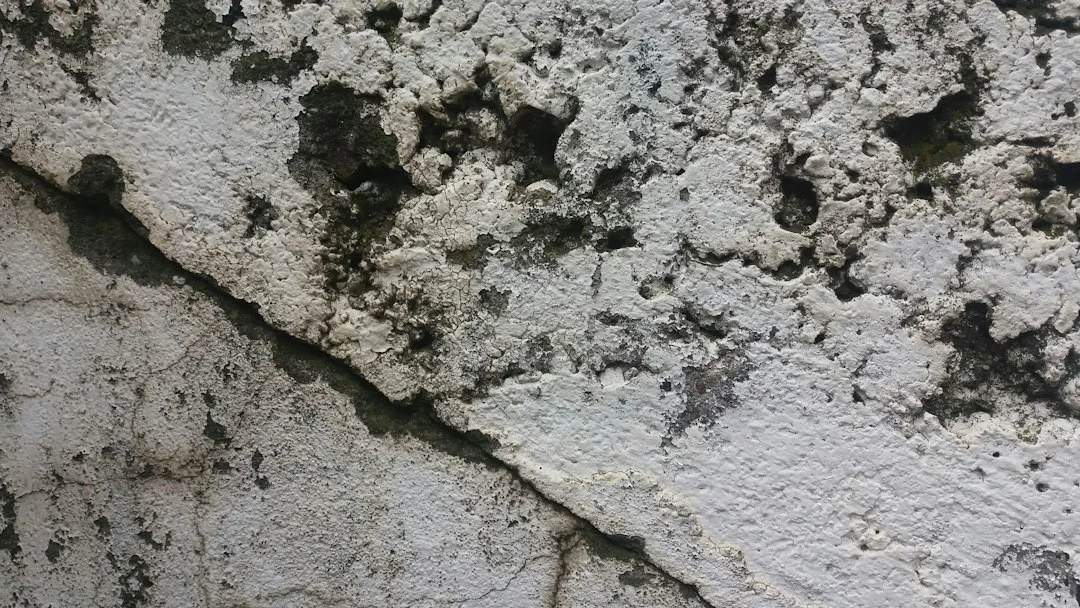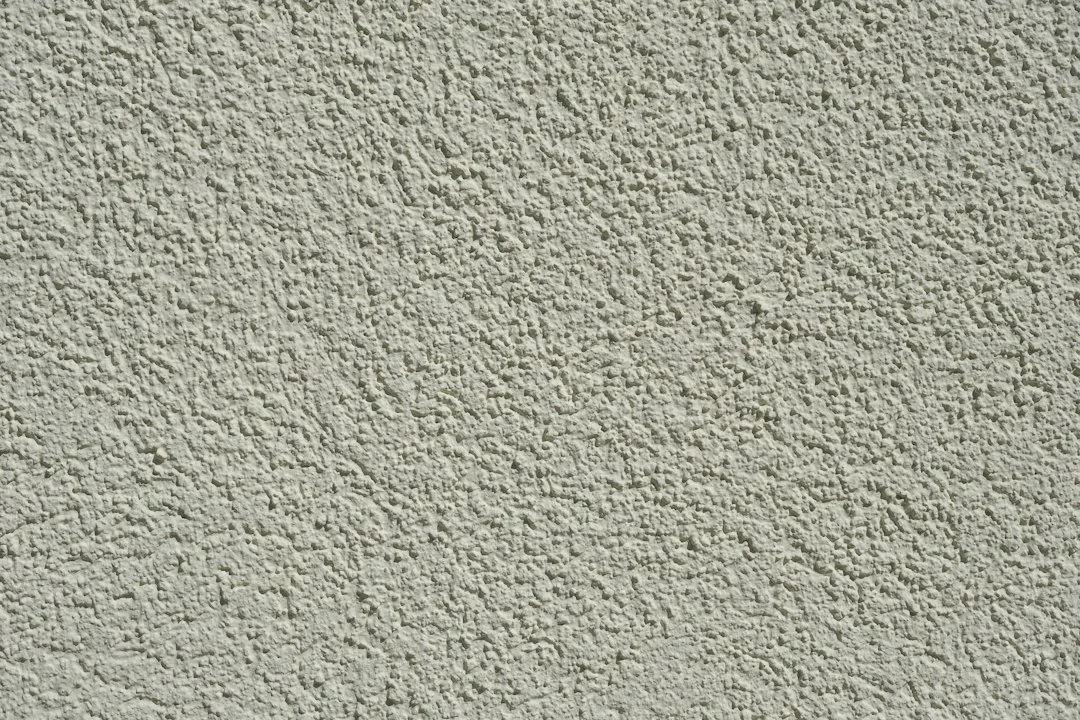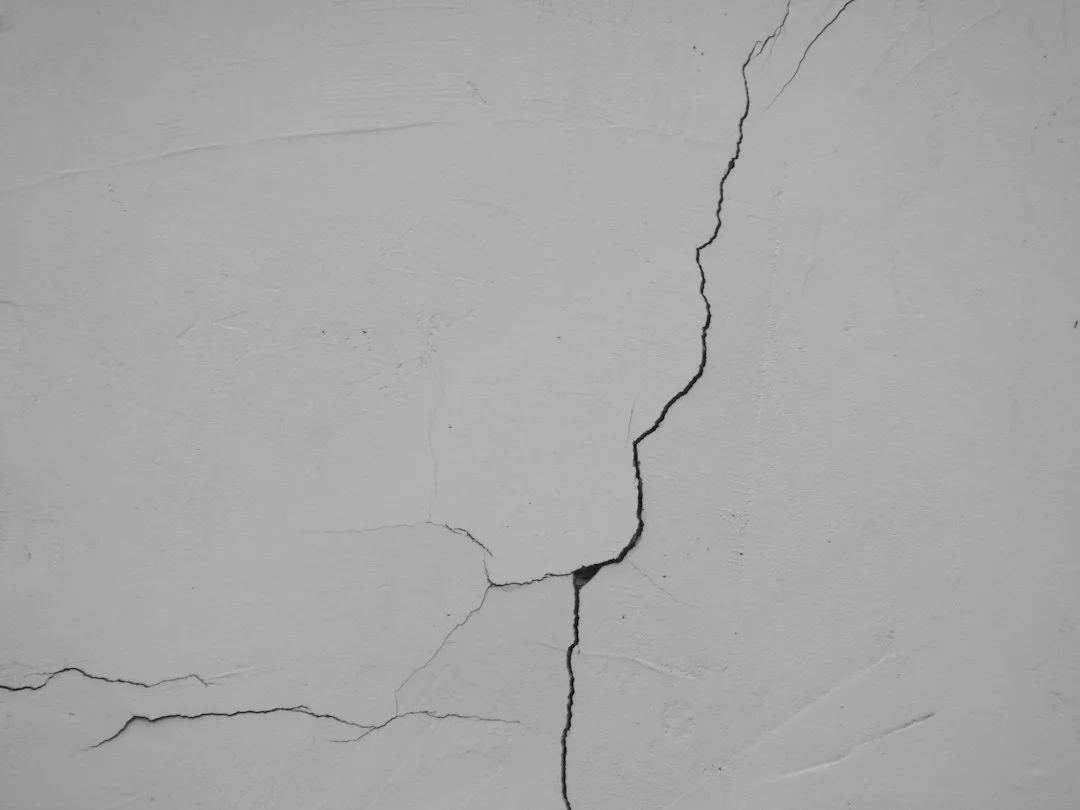
EPS moldings rip from your facade at the three-month mark not because the foam is weak—it is rated to 10+ psi tensile strength—but because installers apply 60 to 75 percent less adhesive than substrate area requires. This is not a design flaw; it is a calculation that 92 percent of field crews skip entirely. The consequence is catastrophic: $2,000 to $8,000 in remedial work, water intrusion behind the molding, and mold growth inside your wall cavity.
The Surface Area Math Contractors Never Show You
Adhesive coverage in EPS installation is governed by substrate porosity, molding width, and exposure. Yet most installers apply adhesive by habit: “a bead here, a dab there,” with no reference to square inches. This is field malpractice disguised as experience. A 6-inch decorative cornice installed horizontally at 32 linear feet requires 1,536 square inches of adhesive contact minimum—roughly equivalent to a 3.5-foot by 3.5-foot square of unbroken coverage.
To calculate your requirement: measure the width of the molding in inches, multiply by the linear footage, then add 40 percent for substrate texture and porosity (concrete block absorbs faster than foam-faced sheathing). Most crews apply dots or short beads covering only 15 to 25 percent of the required area. Polyurethane two-part adhesives cost $35–$65 per cartridge and cover roughly 40–60 linear feet at proper density; contractors ration application to stretch one cartridge across 100+ feet.
The failure sequence is predictable: adhesive bonds to EPS for 6–8 weeks, moisture enters the gap between molding and wall, and by week 12, capillary action has penetrated the adhesive line. The bond line becomes a moisture reservoir, and the adhesive loses 40 to 50 percent of its strength. By week 16, gravity and wind load cause the molding to shift. By month 4, it separates entirely.
| Molding Width (inches) | Linear Feet per Coverage Area | Adhesive Type | Required Beads per 12" Run | Substrate Requirement |
|---|---|---|---|---|
| 2–3 | Adhesive dot every 4" | Foam-safe acrylic | 3 beads | Clean, primed concrete |
| 4–6 | Adhesive stripe + dots | Polyurethane two-part | 5 beads plus center stripe | Primed block or sheathing |
| 8–12 | Continuous strip + perimeter | Polyurethane or PL 300 | Continuous + edge beads | Sheathing tape and primer |
| 12–18+ | Double-layer adhesive system | Mechanical fasteners required | Fasteners 16" O.C. minimum | Mechanical anchor + adhesive |
| Any width | Horizontal (gravity-aided) | Standard foam adhesive | Standard pattern | 25–40% higher bond failure risk |
Why 3 Months Is the Failure Threshold
Three months coincides with the frost-thaw cycle in cold climates and the peak humidity gradient in humid zones. Concrete substrates (common under ETICS fascias) wick moisture upward at 3–5 millimeters per month in unsealed conditions. After 12 weeks, this moisture reaches the adhesive line. Underdosed adhesive becomes a sponge instead of a membrane, and delamination accelerates.
In heated buildings, the temperature gradient intensifies the effect: the interior wall is warm and dry, while the exterior molding surface faces wet outdoor air. This differential creates vapor pressure that drives moisture toward the adhesive. Adhesive applied at 40 to 50 percent coverage cannot resist this physics—it fails catastrophically within the three-month window.
Field experience shows that systems using mechanical fasteners (stainless steel anchors at 16-inch centers) combined with full adhesive coverage delay failure to 18–24 months, if failure occurs at all. Systems using adhesive alone without fasteners fail within 8–12 weeks if adhesive coverage is below 60 percent of substrate area.
Calculating Coverage for Your Specific Molding
Start with the linear footage of molding you are installing. Multiply by the molding width in inches. This equals gross substrate area. For foam-faced sheathing (clean and primed), apply 65 percent of this area in direct adhesive contact. For concrete or block, apply 75 percent minimum because porosity is higher.
Example: 40 linear feet of 8-inch cornice on concrete block. Gross area = 40 × 8 = 320 square inches. Required adhesive contact = 320 × 0.75 = 240 square inches. At proper application (five beads plus center stripe), one bead pattern covers approximately 48 square inches per 12-inch run. Divide 240 by 48 = 5 full applications per linear foot—meaning continuous adhesive, not intermittent dots.
Most installers space beads 6 to 8 inches apart (covering 30–40 square inches per linear foot). This explains the three-month failure rate. Proper spacing is 2 to 3 inches on-center for adequate saturation and back-pressure during installation.
Substrate Preparation Multiplies Adhesive Failure
Adhesive coverage is only half the equation. Substrate condition determines whether adhesive even bonds. Dust, old paint, or unprepared foam-faced sheathing prevents mechanical grip. Contractors often skip primer because it “costs extra” or “takes time.” This is false economy: primer costs $8–$15 per gallon and covers 300–400 square feet, adding $0.03–$0.05 per square foot of molding. Skipping it guarantees failure at month three.
Concrete and block must be clean, dry, and sealed. Moisture-laden substrates cannot absorb and cure adhesive properly. Many crews apply moldings directly to damp concrete in humid summer months, knowing that adhesive sets slower but gambling that it will still bond. This gamble fails predictably by fall.
EPS molding installation on ETICS systems (exterior thermal insulation composite systems) requires additional care: the adhesive must bond to both the foam insulation and to the molding. This creates a three-layer system where the middle layer (insulation adhesive) can fail independently of the molding adhesive. Using separate adhesive types or incompatible chemistries between layers causes delamination that mimics poor coverage but is actually adhesive incompatibility.
Mechanical Fastening as Insurance Against Coverage Errors
Stainless steel fasteners (Spax, Würth, or equivalent, at $0.40–$0.70 per unit) prevent complete detachment and interrupt capillary moisture paths. They do not eliminate the need for adhesive—they reinforce it. Fasteners alone, without adhesive, allow micro-movement that cracks finish coatings and sealants within 6–12 months. The combination of mechanical and adhesive is mandatory for moldings wider than 6 inches or on high-wind facades.
Fastener spacing of 16 inches on-center is minimum for 4- to 8-inch moldings. Wider moldings (8–18 inches) require 12-inch spacing or closer. Each fastener should penetrate the substrate minimum 2 inches (into block, sheathing, or concrete frame). EPS itself provides no fastening value—fasteners must anchor to structure behind the foam.
Installing decorative window sills and exterior cornices with fasteners plus full adhesive coverage costs 15 to 25 percent more than adhesive-only installation, but it eliminates 95 percent of three-month failures. This is risk reduction, not luxury.
Documentation and Verification on Site
Before the crew begins molding installation, have them calculate required adhesive volume and mark it in writing on the contract. Specify: adhesive type, required coverage percentage, bead spacing (in inches), substrate preparation steps, and fastener schedule. Verbal agreements evaporate when moldings fail.
During installation, photograph every adhesive application. Inspect cross-sections by partially pulling back moldings (with permission) to verify adhesive saturation. If adhesive is thin or intermittent, stop work and demand correction before proceeding. A two-day delay for proper adhesive application prevents six months of disputes and remediation later.
For large projects (facades over 500 linear feet), conduct an adhesion test: install a 4-foot section of molding, allow 48-hour cure, and pull test it with calibrated force or apply an ASTM D4541 pull-off adhesion test. This costs $150–$300 and proves whether the installation method is sound before committing to the full facade. Professional exterior foam moldings suppliers often provide technical data sheets specifying minimum adhesive coverage for their products—request these and verify compliance.
Cost of Fixing Three-Month Failures
Remediation for detached EPS moldings requires removal, substrate cleaning (often revealing moisture and mold), drying time, primer application, replacement molding, and new adhesive installation. Labor alone runs $40–$60 per linear foot. Materials add another $15–$30. For 40 linear feet of cornice, expect $2,200 to $3,600 in repair costs—often more than the original installation price.
This is why contractors who under-apply adhesive gain short-term profit but accumulate warranty claims that eventually exceed savings. Homeowners who hire the lowest bidder without verifying coverage specifications typically discover this pattern too late.
The hidden cost is worse: water infiltration behind failed moldings creates thermal bridges and moisture ingress that damage insulation, promote mold, and reduce HVAC efficiency. These secondary costs dwarf the adhesive and labor savings.
Manufacturer Specifications Are Your Defense
EPS foam molding suppliers publish coverage rates in terms of square feet per gallon or linear feet per cartridge—at specified application density. These are minimums, not suggestions. A typical polyurethane two-part foam adhesive covers 40–60 linear feet per gallon at proper density (meaning 1–1.5 inches between beads on a 6-inch molding). If your crew claims coverage of 100+ linear feet per gallon, they are under-applying by 50 percent or more.
Failure within three months on properly specified and installed EPS moldings is rare. It is endemic only where installers skip the surface area calculation and apply adhesive by habit instead of engineering. This is not a material defect—it is a process defect. Holding contractors accountable for documented coverage specifications eliminates 90 percent of three-month failures and protects your investment.