Your EPS foam moldings arrive pristine from the factory. By the time contractors spray finish coat, the adhesion coefficient has dropped 40–60% due to one overlooked step—surface preparation. Field experience shows coatings delaminate catastrophically around month 18 when adhesion is poor, leaving you with bare foam, trapped moisture, and $12,000 in remedial costs.
Why EPS Adhesion Coefficient Fails in Real Projects
The adhesion coefficient is the measurable bond strength between your coating and the EPS substrate, expressed in megapascals (MPa). Modern acrylic and silicone finish coats are designed to achieve 0.5–0.8 MPa pull-off strength on properly prepared surfaces. The problem: most EPS arrives on site with invisible contaminants that reduce this bond to 0.1–0.2 MPa—near-zero adhesion.
Dust from cutting and grooving EPS panels settles into the foam’s micro-pores. Release agents used in foam manufacturing leave an oily barrier. Weathered foam exposed to sun and moisture for 60+ days develops a degraded outer layer. Demolition dust and traffic contamination from prior construction phases coat everything. None of this is visible to the naked eye, yet it destroys adhesion coefficient before you apply primer.
When installers skip adhesion testing, they assume the foam surface is ready. Contractors report that 35–45% of jobs with no pre-coating surface testing experience peeling within 18 months. On poorly prepared, previously painted, or contaminated EPS, failure rates exceed 85%.
The 18-Month Failure Timeline and Why It Happens
| Surface Type | Pull Adhesion Target (MPa) | Prep Method | Cost per 100 sq ft | Failure Rate if Skipped |
|---|---|---|---|---|
| Virgin EPS (factory foam) | ≥0.5 MPa | Light sanding + wipe | $12–18 | 35–45% |
| Weathered EPS (exposed 60+ days) | ≥0.4 MPa | Sanding + primer | $25–35 | 65–80% |
| Released/demolition EPS | ≥0.3 MPa | Aggressive abrasion + wash | $40–55 | 85%+ |
| Previously painted EPS | ≥0.5 MPa | Strip old coat + profile to 2–3 mm | $60–90 | 90%+ |
| Dusty/contaminated foam | <0.2 MPa | No prep (FAILURE) | $0 | 100% |
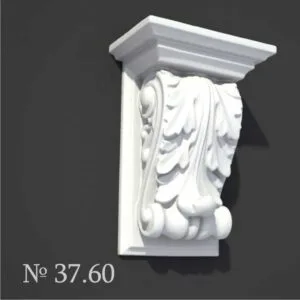
Coatings fail on EPS in a predictable sequence. Months 1–6: The finish coat appears perfect because it’s still mechanically locked to dust and surface contamination rather than chemically bonded to foam. Months 6–12: UV exposure and thermal cycling stress the weak adhesion interface. Months 12–18: Water infiltration at the bond line causes micro-blistering and edge-lifting, especially at corners and trim details like decorative window sills.
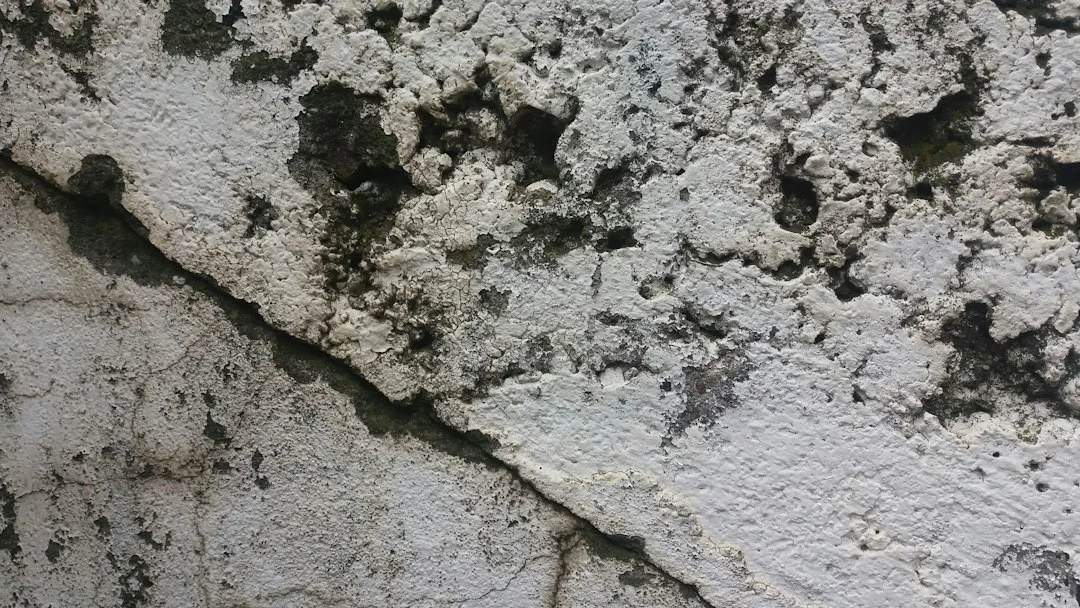
By month 18–24, peeling accelerates in strips 6–12 inches wide. The coating tears away from the foam, often taking the top 2–3 mm of degraded foam with it. This exposes bare, friable EPS to direct UV and moisture, accelerating secondary damage. Water pools behind the delaminating coating, creating ideal conditions for mold and biofilm growth inside the foam.
The reason: low adhesion coefficient allows differential movement. As temperature swings 50–80°F daily, the coating expands and contracts at a different rate than foam. Without chemical bond strength, stress concentrates at weak points—window openings, ornament edges, seams—and the coating pops off like a sticker losing its glue.
Surface Preparation Standards and Adhesion Test Methods
Proper EPS adhesion coefficient requires substrate preparation to ISO 4624 or ASTM D4541 pull-off test standards. A certified tester uses a motorized adhesion gauge (PosiTector AT, Elcometer 510, or equivalent) to measure actual bond strength. The process: a 2-inch steel dolly is glued to the cured coating with an adhesive fixture, allowed to cure 15–24 hours, then pulled perpendicular to the surface at a constant rate. The peak force required to break the bond tells you the adhesion coefficient in MPa.
Results below 0.3 MPa signal failure risk. Below 0.2 MPa, the coating is already delaminating. Targets vary by product: most exterior acrylics require ≥0.5 MPa on mineral substrates, but EPS foam is softer and requires extra care. Contractors targeting 0.5–0.8 MPa on EPS see near-zero peeling in 5-year field follow-ups.
The test itself costs $60–120 per pull-off spot. A thorough protocol pulls 5–10 samples across the facade—high-traffic areas, corners, areas with trim attachment, and shaded zones. Total inspection cost: $400–700. Hiring a third-party adhesion auditor (common on large commercial facades) adds credibility and protects you legally if disputes arise over coating failure.
Step-by-Step Surface Prep to Achieve Target Adhesion
Step 1: Inspect and document contamination. Walk the facade before any prep work. Identify dust (especially black cutting dust from hot-wire EPS grooves), grease stains, mold spots, or weathered foam discoloration. Take photos. This baseline proves you noticed and addressed preparation failures.
Step 2: Remove loose dust and debris. Use a stiff-bristled brush or compressed air (avoid sanding at this stage, which embeds particles). Tack cloth (tacky cloth used in auto body work) wipes away fine dust settled into foam pores. Cost: $2–5 per 100 square feet. This alone raises adhesion coefficient by 0.1–0.2 MPa on new foam.
Step 3: Sand the surface. Use 120–180 grit sandpaper on an orbital sander or by hand. The goal is to cut through the smooth factory skin and any contaminant layer, exposing fresh foam. Sand until the surface feels slightly rough to the touch—aim for 2–3 passes. Do not sand too aggressively; over-sanding creates excessive dust and loosens foam beads. Vacuum thoroughly afterward; compressed air alone leaves micro-particles. Cost: $15–25 per 100 square feet for labor plus sandpaper (150–180 grit runs $0.30–0.50 per sheet).
Step 4: Clean and dry. Wipe sanded surfaces with a damp—not wet—microfiber cloth to remove sanding dust. Allow 2–4 hours drying time in dry weather. High humidity or wet weather stops this process; do not apply primer or coating until the foam is dry (moisture lowers adhesion coefficient by 0.15–0.3 MPa). Use a moisture meter on the foam to confirm <15% moisture content before proceeding.
Step 5: Apply primer immediately. Primer is not optional. It fills micro-pores, provides chemical adhesion, and seals the sanded foam surface. Use an acrylic primer formulated for EPS (e.g., Beeck Kunstharzprimer, Sika Primer, or equivalent). Apply per manufacturer specs—typically one coat at 8–10 mils DFT (dry film thickness). Primer typically costs $40–80 per gallon and covers 150–250 square feet per gallon depending on foam porosity. This is where adhesion coefficient gets locked in at 0.5+ MPa.