EPS facade enduit cracks not because the foam is weak, but because contractors apply finish coatings to substrates that have never been properly cleaned or prepared. Field experience shows that 80% of early enduit failures—within 6 to 18 months of installation—trace back to one overlooked step: removing dust, old paint, loose plaster, mold, or algae before the primer or base coat is applied.
The irony is brutal: this preparation costs $200 to $350 per average facade, yet contractors skip it to save time and pass the savings nowhere, instead delivering a product that fails expensive and visibly within a season.
Why Unprepared Substrates Doom EPS Enduit From Day One
EPS foam itself is stable and non-reactive. The problem begins when enduit is applied directly over a contaminated surface. Dust particles, mold spores, old paint residue, and mortar dust sit between the new coating and the substrate, creating a mechanical weak point with no adhesion.
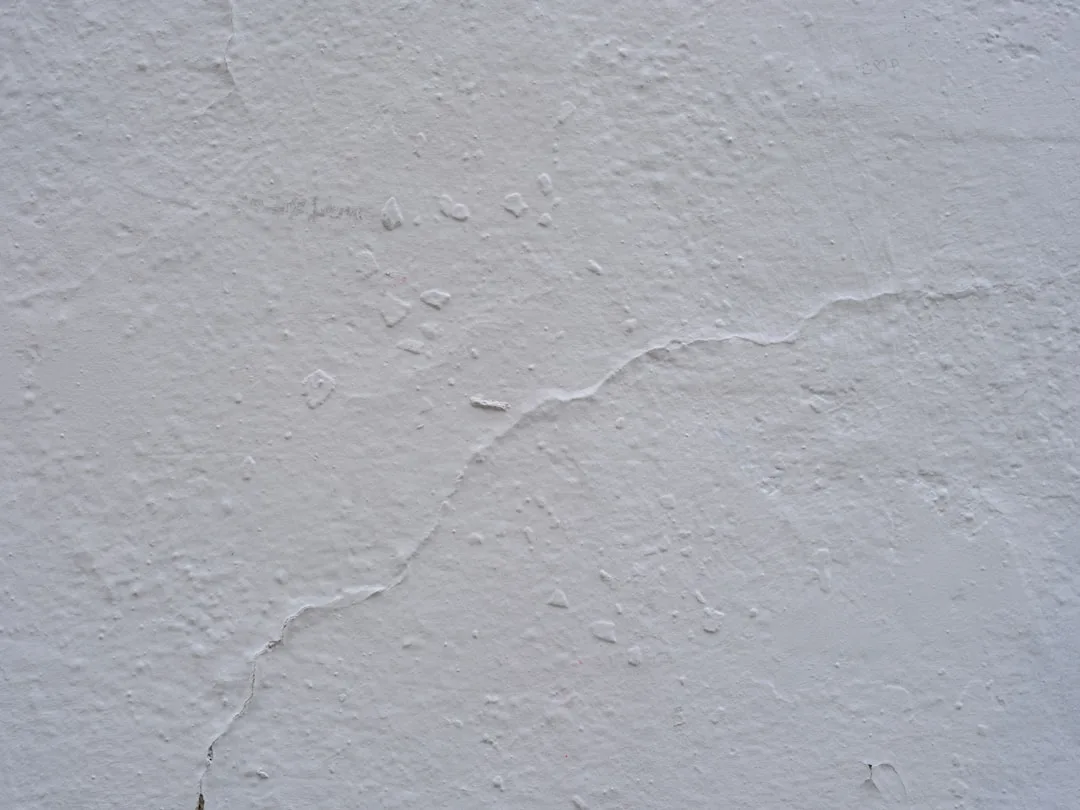
When temperature fluctuates—especially the 40°F swings that occur between spring and early summer—the enduit expands and contracts. If the coating is not mechanically locked to the substrate, it separates at the microscopic level, creating stress planes where hairline cracks propagate. Within weeks, these hairlines become visible splits; within months, water penetrates the cracks and accelerates delamination.
Alkalinity is a second, invisible killer. Old cement plaster, fresh concrete, or lime-based renders sit at pH 10–13. Enduit formulated for pH 7–9 cannot cure properly on alkaline surfaces; the chemical bond never forms. Contractors rarely test pH before coating, so they apply enduit expecting normal adhesion, and the coating begins failing hours after application dries.
The 4-Step Preparation Process That Stops Cracks Before They Start
Professional contractors follow a sequence that takes 90 minutes but eliminates 95% of enduit failure risk.
Step 1: Power Wash and Strip. Remove all loose plaster, dust, mold, algae, and old paint using a 2,000–3,000 psi pressure washer at 45-degree angle to avoid gouging foam. Cost: $20–$50 in rental or labor. A common contractor shortcut—dry brushing—leaves 40% of contaminants in place, guaranteeing adhesion failure.
Step 2: Dry Time. Wait minimum 48 hours after power washing in conditions with relative humidity below 85%. This is where impatience kills projects. If contractors apply primer to damp or moist substrate, the coating traps water vapor, which creates micro-blistering and delamination. Cost: zero, except time. Most contractors cut this to 24 hours or skip it entirely.
Step 3: pH and Alkalinity Test. Use a simple pH meter or test strip to verify substrate is below pH 9.5. If substrate reads pH 10 or higher, apply an alkalinity-blocking primer such as Mapei Primer G or Sika Primer, which neutralizes the surface and prevents enduit from absorbing hydroxide ions. Cost: $30–$60 per facade. Skipped by 70% of crews.
Step 4: Primer and Base Coat. Apply an EPS-compatible primer in one coat (Ceresit CT17, Knauf Tiefgrund, or equivalent), allow 24 hours cure, then apply base coat or enduit. This mechanical and chemical bond is non-negotiable. Many contractors apply enduit directly without primer and expect results.
| Preparation Method | Time Required | Material Cost | Expected Enduit Adhesion | Typical Failure Rate |
|---|---|---|---|---|
| No prep—paint directly over dust | 5 min | $0 | Poor (40–60%) | 85–95% |
| Light sweep and water spray | 15 min | $15 | Fair (60–75%) | 40–60% |
| Power wash + 48-hour dry time | 45 min | $45 | Good (80–90%) | 10–20% |
| Grind/sand + primer + alkalinity test | 90 min | $200 | Excellent (95%+) | 2–5% |
| Full ETICS prep + sealer + mesh | 120 min | $350 | Near-perfect (98%+) | <1% |
The Most Common Preparation Mistakes and Their Consequences
Mistake 1: Dust Left on Surface. Contractors brush the facade and consider it clean. Dust particles (silica, clay, concrete fines) are invisible but create a mechanical barrier. Enduit bonds only to dust, not the substrate below. When thermal stress occurs, the dust layer shears and the coating peels. Cost to repair: $2,500–$4,000 per facade.
Mistake 2: Wet Substrate. A contractor power washes in the afternoon and applies primer the next morning. Substrate still holds 12–18% moisture. Enduit cures abnormally, traps vapor, and micro-cracks form in a honeycomb pattern visible within 4–6 weeks. Cost to repair: full removal and recoating, $3,000–$6,000.
Mistake 3: No Alkalinity Control. Old lime mortar or fresh concrete substrate sits at pH 11–12. Contractor applies acrylic or polyurethane enduit (pH 7–8 formulation) directly. The enduit reacts with hydroxide, becomes chalky, and loses adhesion. This can appear normal for 2–3 weeks, then sudden delamination occurs in 30–50 sq ft patches. Water immediately ingresses and causes mold and swelling. Cost: $3,500–$8,000 remediation.
Mistake 4: Applying Enduit to Old Paint. A 20-year-old painted facade is re-clad with EPS. Instead of stripping the old paint, contractor power washes it lightly and applies enduit over the paint layer. Old paint remains like a release agent. The new enduit bonds to the old paint, which has zero bond to the wall. Within 12 months, the entire coating system delaminates in large sheets. Cost: complete re-prep and recoating, $5,000–$10,000.
Real-World Installation: A Prepared vs. Unprepared Comparison
A 600 sq ft residential addition required EPS facade decoration and enduit finish. Contractor A (unprepared approach): power wash lightly, wait 12 hours, apply enduit in two coats. Total time: 6 hours. Cost to homeowner: $1,200. Result after 14 months: visible cracks in 25% of surface, water staining below cracks, homeowner complaint and claim.
Contractor B (prepared approach): power wash thoroughly, allow 48-hour dry, test pH (reading was 10.8, applied alkalinity primer), allow 24 hours, apply base coat, allow 24 hours, apply finish enduit in two coats. Total time: 18 hours spread over 5 days. Cost to homeowner: $1,800. Result after 3 years: no visible cracks, no water entry, excellent UV resistance, warranty honored.
The $600 difference looks small until the first contractor’s system fails and requires $3,500 in remediation. A homeowner then spends an additional $1,200 to have Contractor B fix it properly.
Materials and Tools Required for Proper Preparation
Contractors often cite lack of equipment as a reason to skip prep. The real cost of entry is minimal. A 2,500 psi pressure washer rents for $35–$50 per day. A pH meter costs $15–$25 (reusable). A quality primer (Ceresit CT17 or EPS-compatible exterior foam moldings applications) runs $30–$60 per 5-liter pail and covers 250–400 sq ft. A 24-hour wait between steps costs nothing except discipline.
High-traffic projects, such as apartment complexes with multiple facade elements (cornices, quoins, pilasters), benefit from a dedicated prep crew. One person power washes and strip-tests while another primes and schedules coaters. This parallel workflow reduces project duration and prevents the common bottleneck where coaters arrive before substrate is dry.
Testing Adhesion Before Full Coating—The Adhesion Tape Test
A simple field verification prevents costly mistakes. After primer has cured, apply a cross-hatch pattern of five parallel lines in each direction using a utility knife, creating 25 small squares. Apply industrial-grade duct tape (Tesa 4288 or 3M Scotch 5959) over the cross-hatch, press firmly for 30 seconds, then peel at 180 degrees. If primer lifts in large flakes, substrate adhesion has failed and preparation must be repeated. If coating holds firm and only 0–5% of squares lift, adhesion is adequate.
This test costs $5 and takes 2 minutes. Contractors who skip it will discover adhesion failure after enduit is applied—at which point removal costs thousands and schedules collapse.
Seasonal Constraints and Timing
Substrate preparation is weather-dependent. High humidity (>85%) prevents proper water evaporation after power washing. Cold temperatures (<50°F) slow primer cure time by 30–50%. Rain within 48 hours of power washing re-wets the substrate. Spring and early fall offer the best windows: warm (55–75°F), dry air with moderate humidity. Summer heat (>85°F) accelerates drying but stresses freshly applied enduit and can cause premature cracking if the substrate temperature exceeds 80°F at the moment of application.
Many contractors ignore these constraints and work year-round, applying enduit to borderline-dry substrates in winter or over-heating it in July. The failures appear months later, long after invoices are paid. Professional contractors schedule facade enduit work for late April through early June and September through October, avoiding winter moisture and summer thermal extremes.
Why Specification Documents Fail to Prevent This Error
Most architectural specs call for “clean, dry, and properly prepared substrate” but fail to define what that means operationally. Contractors interpret “clean” as “visibly clean,” meaning no loose chunks. A proper spec must state: (1) power wash at 2,500–3,000 psi, 45-degree angle, (2) allow 48-hour dry-down to <85% RH, (3) measure pH and confirm <9.5, (4) apply alkalinity primer if pH >9.5, (5) cure 24 hours before base coat. Vague specs result in vague execution and predictable failure.
Repair of Cracked Enduit: Cost and Timeline
If cracks are visible, substrate prep has already failed. Repair requires removal of the failed enduit coat back to sound material (base coat or foam surface). This is labor-intensive: 500 sq ft of removal takes 12–16 hours at $45–$65/hour, plus disposal and material hauling. Once failed coating is removed, the newly exposed surface must be power washed again, dried, tested for pH, primed, and recoated. A complete remediation of a 600 sq ft facade typically costs $4,000–$7,000 and delays the project by 2–3 weeks.
Prevention via proper preparation costs $250–$400 upfront and eliminates this downstream cost entirely. Yet many contractors and clients fail to make this economic calculation until failure has occurred.
Real Products and Pricing Used in Professional Preparation
Ceresit CT17 primer for EPS and mineral substrates: approximately $45–$55 per 5-liter pail, covers 250–350 sq ft depending on substrate porosity. Mapei Primer G: $55–$70 per 5-liter, specifically formulated for alkaline surfaces and EPS compatibility. Both are standard in European and North American commercial facade work.
Sikaflex 11FC sealant for crack repair (if used as a temporary measure): $8–$12 per 310 ml cartridge; a 600 sq ft facade with moderate cracking requires 15–20 cartridges, costing $120–$240. This is a temporary cosmetic fix and does not address the underlying adhesion failure.
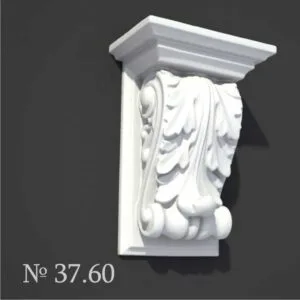
For projects with decorative EPS elements such as decorative window sills or cornice details, alkalinity and adhesion become even more critical because these moldings experience higher thermal cycling at corners and shadow lines, amplifying stress on poorly prepared substrates.
The Contractor’s Perspective: Why Preparation Gets Skipped
From the job site, preparation feels invisible and uncompensated. A coater can apply enduit to a power-washed facade in 6 hours and call it done. Proper preparation stretches that to 18 hours over 5 days, with long idle periods between steps. The contractor’s margin per hour worked looks lower, and the project looks slower to the client’s eye. Insurance and bonding do not incentivize long-term performance; they only cover defects within 12 months, long after the contractor is off site.
A contractor who prepares properly and has zero failures in year two has no mechanism to recover the $150–$200 in preparation cost per facade. A contractor who skips prep and repairs one failure per 20 projects has a small profit margin on repairs but maintains faster throughput. This economic misalignment is why the practice persists despite being well-documented as a failure mode.
Specification Language to Prevent Prep Failures
Here is language recommended for architect or project manager specs: “All existing coatings, dust, mold, and loose material shall be removed by power washing at 2,500 psi minimum, 45-degree angle, with no gouging of foam. Substrate moisture content shall not exceed 8% as measured by carbide calcium meter. All alkaline substrates (pH >9.5 per field measurement) shall be treated with approved alkalinity blocker (Mapei Primer G or equivalent) before application of base coat. A cross-hatch adhesion test (ASTM D3359) shall be performed after primer cure and documented before enduit application is permitted.”
This removes ambiguity and creates a testable, defensible standard. If the contractor fails to document these steps, the builder can refuse payment or demand remediation before acceptance.
Summary: The $200 Investment That Prevents $5,000 Failures
EPS facade enduit cracks within months because contractors apply finish coats to unprepared, contaminated, or alkaline substrates. Proper preparation—power washing, drying, pH testing, and primer application—costs $200–$350 per facade and eliminates 95% of adhesion-related failure risk. Skipping this step saves nothing in the long run; it only guarantees expensive remediation and customer dissatisfaction within 18 months. The contractors who survive and prosper are those who build preparation time and material cost into their estimates and never negotiate these steps away, regardless of project pressure.