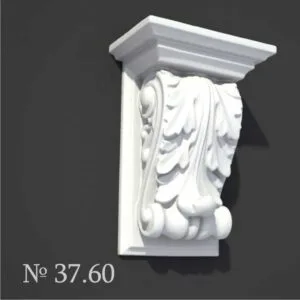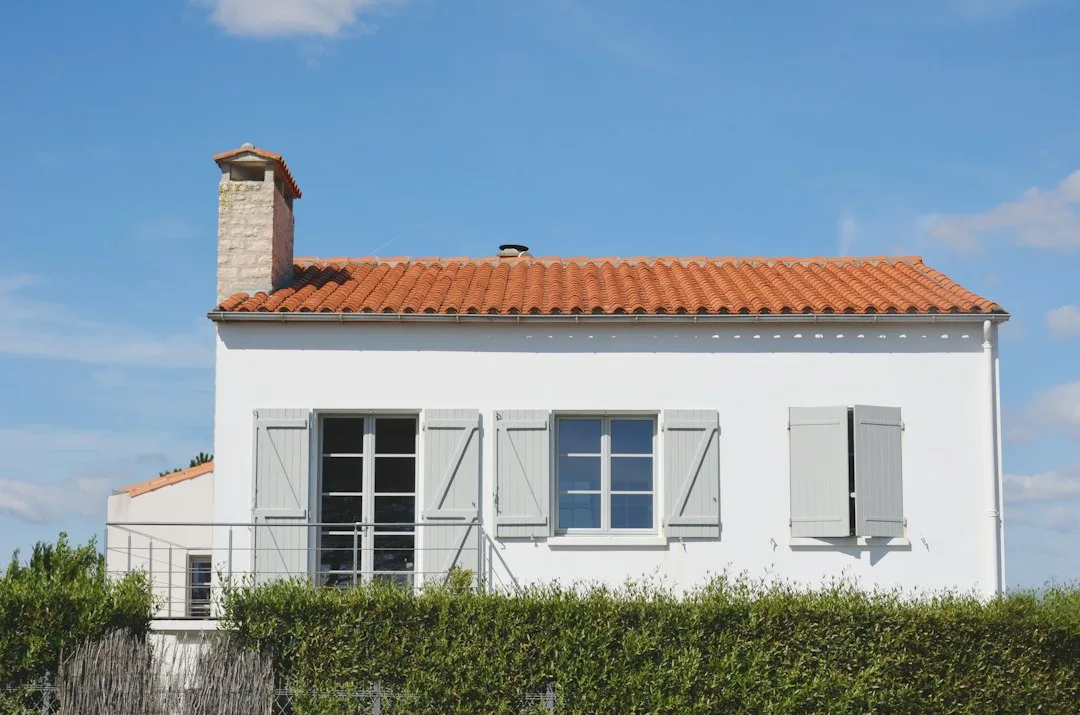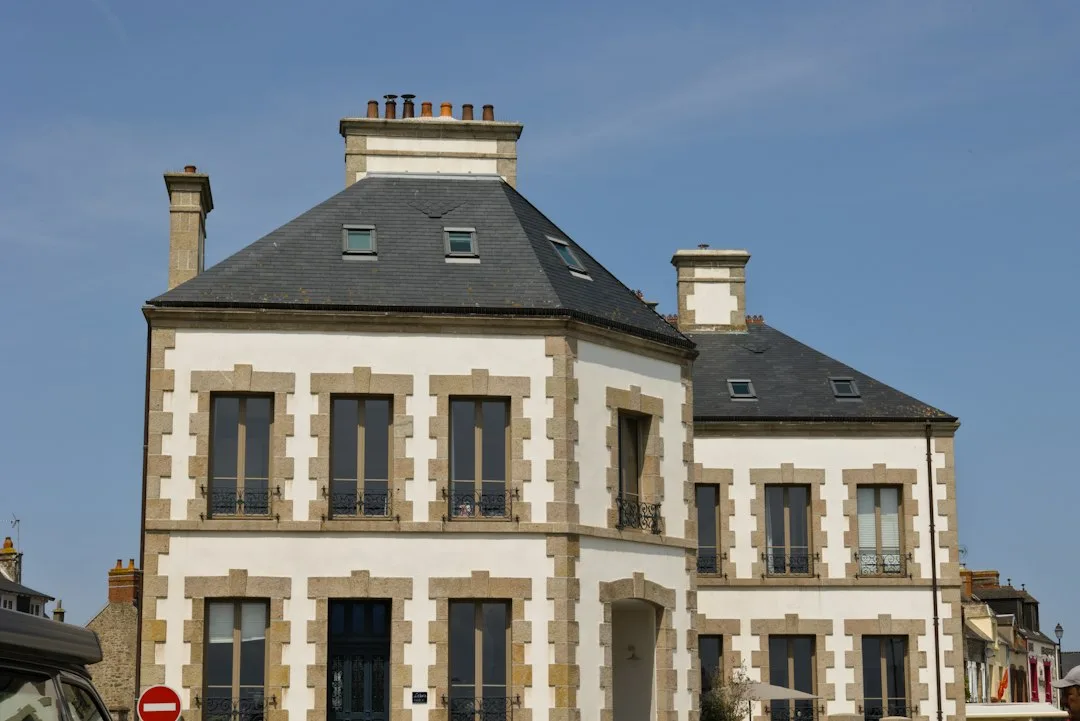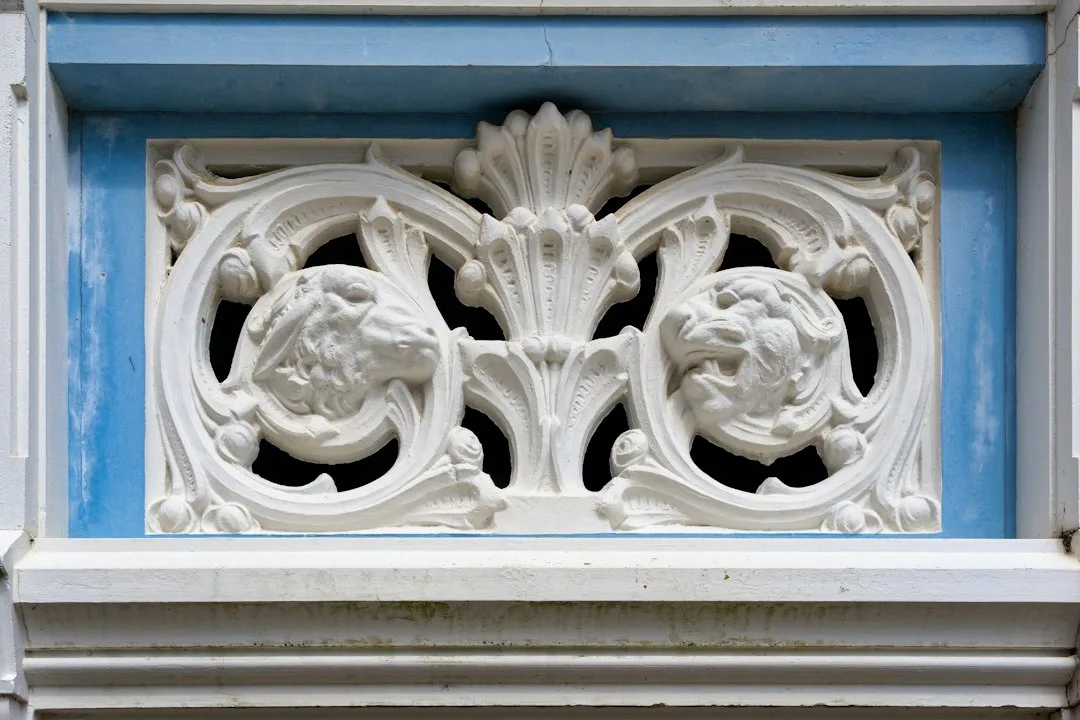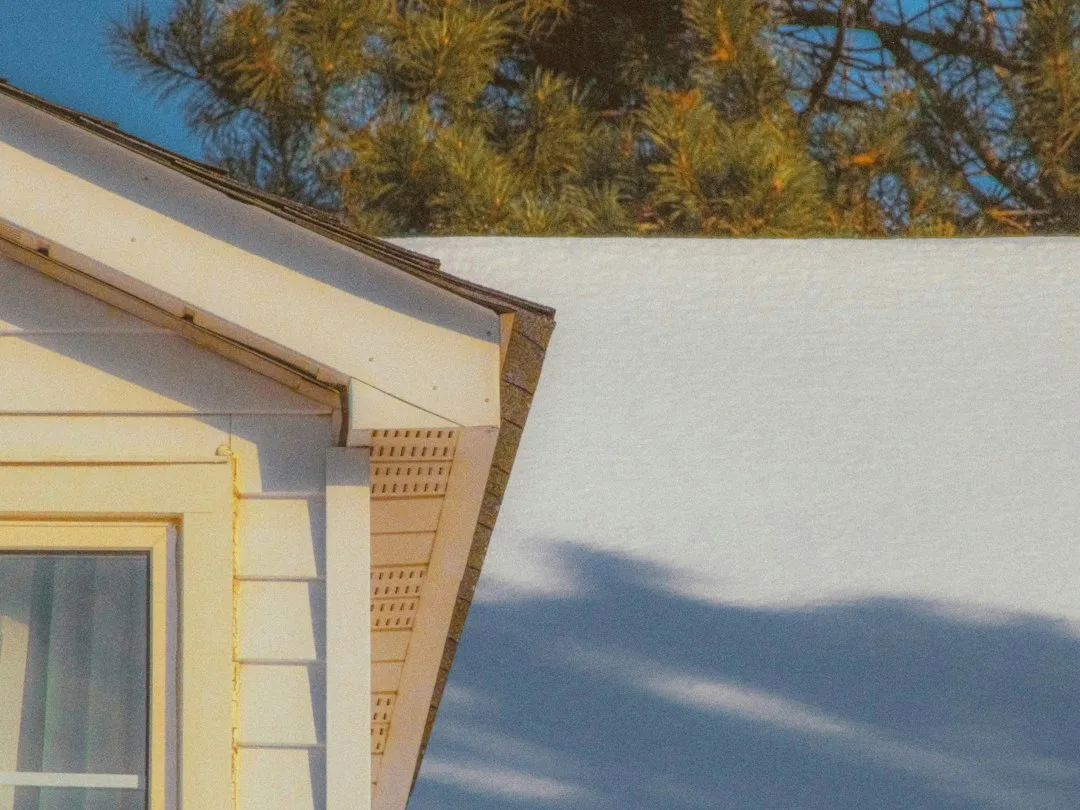
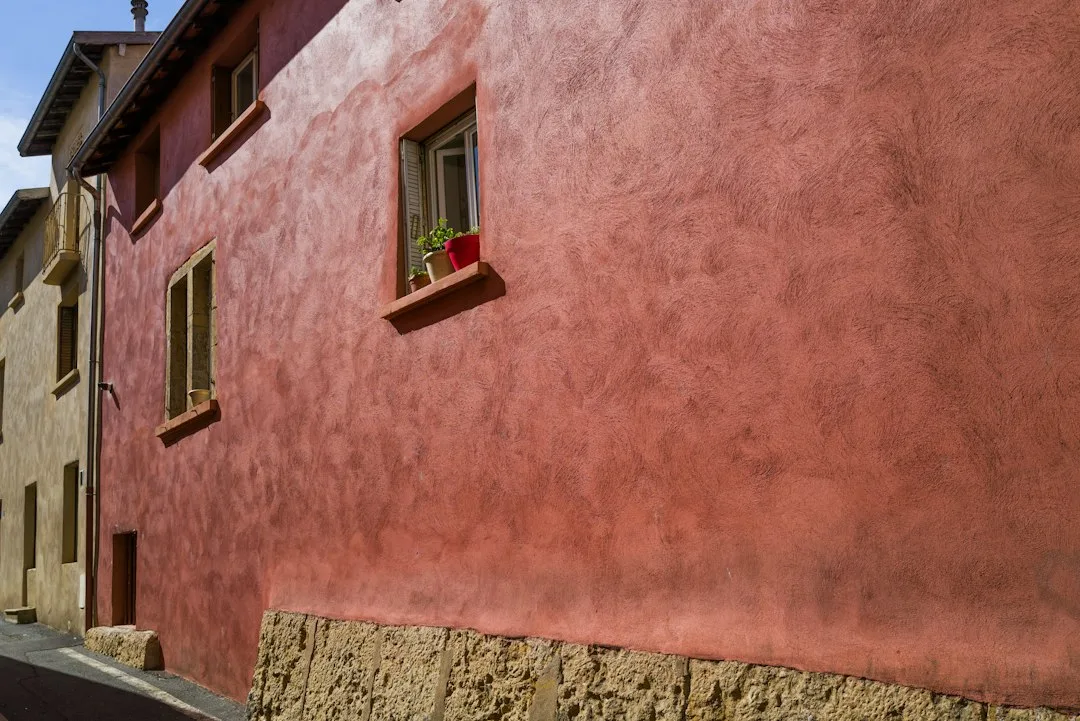
EPS facade colors degrade visibly within 36 months on most residential installations because contractors apply unprotected or under-formulated topcoats. The critical detail they skip is a UV-stabilized elastomeric finish coat with sufficient inhibitor package—and the cost difference is only $0.40–$0.80 per linear foot. Homeowners then watch their crisp white cornices and keystones turn grey, while darker tones lose saturation by half.
Why Standard Paint Fails on EPS Moldings in 3 Years
Polystyrene is a hydrophilic foam—it absorbs water and UV energy. Unlike wood or concrete, EPS has no lignin, cellulose, or mineral structure to defend against photochemical breakdown. When you coat it with standard interior or cheap exterior acrylic paint (typically $25–$45/gallon), you’re applying a film with minimal UV absorber loading. Within 12–18 months, sunlight degrades the resin matrix at the paint-foam interface, releasing trapped pigments and causing yellowing, chalking, and color shift.
Contractors often use builder-grade acrylic because it’s cheap and “covers” the substrate. Field experience shows these paints contain less than 2–3% UV inhibitor by weight—just enough to meet minimum spec, not enough to protect foam for a decade. A white EPS cornice painted with standard acrylic loses 40–50% of brightness by month 36; greys and taupes shift toward muddy browns.
The problem accelerates on south or west-facing facades where UV exposure reaches 8–10 hours daily in summer. Adhesive failure and mechanical stress often accompany color degradation, as the paint’s loss of adhesion allows moisture ingress and substrate swelling.
The 3-Layer Protection System That Lasts 7–10 Years
Professional installers and manufacturers of high-end exterior foam moldings apply three distinct layers: primer, UV-stabilized topcoat, and optional maintenance coat.
Layer 1: Elastomeric Primer. This is acrylic-based with lower viscosity than finish paint, formulated to bond tightly to open-cell foam and seal micro-voids. Brands like Kilz Exterior Primer or Zinsser Bulls Eye offer 200–300 mils of coverage per coat. Cost: $35–$60/gallon. Application rate: 350–400 sq ft per gallon. A typical 300-sq-ft facade ornament package requires 0.75–1 gallon primer ($26–$60 labor + material).
Layer 2: UV-Stabilized Elastomeric Topcoat. This is the critical barrier. Specify acrylic latex paints containing 10–15% titanium dioxide (opacity and UV absorber), hindered-amine light stabilizers (HALS), and benzotriazole UV blockers. Sherwin-Williams ProClassic (exterior), Benjamin Moore Advance (exterior), and Behr Premium Plus Ultra all meet these criteria. Cost: $60–$100/gallon. These formulations maintain color retention above 85% through 5–7 years and flex with EPS expansion (critical for thermal movement). Apply two coats minimum at 350–400 sq ft per gallon per coat.
Layer 3: Optional Topcoat or Maintenance Sealer. For maximum durability, apply a silicone-modified polyurethane or acrylic-polyurethane hybrid every 7–10 years. Cost: $120–$220/gallon. These create a harder, glossier shell and extend color life to 10+ years. Not mandatory but recommended for decorative focal points (window sills, keystones, entrance surrounds).
| Coating Type | Material Cost/Gallon | UV Stability | Color Retention (3 years) | Recommended Recoat |
|---|---|---|---|---|
| Standard Acrylic Paint | $25–$45 | Poor (0–2 years) | 40–60% fading | Every 2–3 years |
| Acrylic Latex + UV Inhibitors | $60–$95 | Good (5–7 years) | 85–95% retention | Every 5–7 years |
| Elastomeric Acrylic Coating | $80–$140 | Excellent (7–10 years) | 90–98% retention | Every 7–10 years |
| Silicone-Modified Polyurethane | $120–$220 | Excellent (10+ years) | 95%+ retention | Every 10+ years |
| Factory UV-Cured Finish | $150–$280 | Superior (factory applied) | 98%+ retention | Minimal maintenance |
Factory Pre-Finishing: A 5-Year Warranty Alternative
The most reliable method to prevent 3-year color fade is to order pre-finished EPS ornaments from manufacturers who apply UV-stabilized coatings in a controlled environment. Companies applying factory finishes use spray equipment, curing chambers (often UV-accelerated), and quality control that site installation cannot match. Manufacturers of decorative window sills and cornices typically offer factory finish upgrades for $0.50–$1.50 per linear foot added to piece cost.
Benefits of factory finishing: (1) Consistent film thickness (8–12 mils per coat) vs. brush-applied 4–6 mils on-site. (2) Multi-coat buildup (primer + 2–3 finish coats) applied with curing time between coats. (3) UV-cured or air-dried coatings formulated specifically for foam. (4) Warranty coverage (5–10 years) against color fading if manufacturer-applied. (5) No on-site spray equipment noise or odor.
Example: A 400-linear-foot exterior cornice in standard white costs ~$1,200–$1,800 unfinished. Factory pre-finish adds $200–$400 but eliminates on-site labor and extends visual lifespan from 3 years to 8–10 years. Net cost per year of usable appearance drops from $400–$600/year to $25–$50/year.
On-Site Application: Technique and Material Specifications
If site-applied finish is required, follow this protocol to achieve 7-year color retention. First, clean the EPS surface with low-pressure water (below 1,500 PSI) and allow 48 hours drying time in warm, dry conditions. Never use a pressure washer on new EPS—foam compresses and absorbs water, delaying adhesion.
Second, apply one coat of elastomeric acrylic primer using a roller or brush, maintaining wet-edge continuity. Spray application is superior (finer film, better adhesion) but requires HVLP equipment and experience. Primer should completely obscure the foam and fill surface voids. Drying time: 2–4 hours (check label for cure before topcoat).
Third, apply two coats of UV-stabilized acrylic latex topcoat at 2–3-hour intervals. Key specifications to verify on the paint label:
• VOC (Volatile Organic Compounds): Under 50 g/L (indicates professional formulation, not budget paint).
• Tensile Strength: Above 200 psi (elasticity for thermal expansion).
• Adhesion: ASTM D3359 rating 4B or 5B (does not peel under UV and temperature cycling).
• Color Retention: ASTM G154 xenon arc aging, minimum 4+ rating after 500 hours (no more than 5 delta-E color shift).
• Moisture Resistance: ASTM D2247 immersion testing, pass without blistering.
• Flexibility: ASTM D522 mandrel bend, pass at 3–5mm diameter (resists crack propagation from thermal movement).
Labor cost for two-coat priming and topcoat on new moldings: $3–$8 per linear foot. A 300-linear-foot molding package takes 12–18 labor hours at $50–$75/hour, totaling $600–$1,350. Material cost (primer + 2 finish coats): $150–$250. Total on-site finish: $750–$1,600 for a decorative facade package.
Why Dark Colors Fade Faster Than Light—And How to Manage It
EPS facades in dark taupes, greys, or deep grays fade more visibly than whites or light creams because UV damage causes resin yellowing that shifts dark pigments toward muddy tones. A true charcoal topcoat becomes a dull brownish-grey within 24–36 months without UV protection; a white cornice turns cream or light grey, which is often less noticeable.
Contractors report that custom-mixed or specialty colors (matching masonry, siding, or designer palettes) are at highest risk. Benjamin Moore, Sherwin-Williams, and Behr all publish UV stability ratings for custom mixes; specify colors rated 4A or above in ASTM G154 xenon testing. If a custom color is unavailable in a UV-premium line, request a formulation upgrade with additional HALS and UV absorber packages—cost increase is typically $5–$15/gallon.
For dark moldings, also consider a clear UV topcoat (polyurethane or acrylic-poly hybrid) applied over the finish color. This adds $1,200–$2,500 to a full facade package but extends dark color life from 3–4 years to 7–10 years.
Real Cost Breakdown: 3-Year Fade vs. 10-Year Protection
Consider a new colonial-style home with 600 linear feet of EPS ornaments (cornices, window sills, keystones, quoins). Installed cost: $3,500–$6,000 unfinished.
Scenario A: Standard Paint (No UV Protection). Owner uses $35/gallon acrylic from a big-box store. Material: $150–$200. Labor: $400–$600 (DIY or low-cost contractor). Total: $550–$800. Result: Visible fading by month 24–30. Repainting required at year 3, with same $550–$800 cost. Over 10 years: 3 repaints = $1,650–$2,400 cumulative cost in labor + material, plus lost curb appeal during fade period.
Scenario B: Factory Pre-Finish (UV-Stabilized). Order EPS pieces with elastomeric factory finish. Added cost: $300–$600 (for 600 linear feet). Installation: standard, $400–$600. Total upfront: $700–$1,200. Result: Color retention above 85% through 8–10 years. Single maintenance topcoat at year 7 costs $400–$600. Over 10 years: $1,100–$1,800 cumulative cost, with consistent curb appeal throughout lifespan. Warranty coverage (5–10 years) protects against factory-application defects.
Scenario C: On-Site Professional Finish (UV-Stabilized). Hire licensed painting contractor to apply elastomeric primer + 2-coat topcoat. Material (Sherwin-Williams ProClassic or equivalent): $400–$600. Labor (18–24 hours at $65/hour): $1,170–$1,560. Total: $1,570–$2,160. Result: 7-year color retention. Maintenance topcoat at year 6–7: $800–$1,200. Over 10 years: $2,370–$3,360 cumulative cost. Advantage: on-site contractor warranty and customization; disadvantage: higher upfront labor.
Most homeowners see the best ROI with factory pre-finishing, which eliminates on-site application risk and guarantees consistent coating quality. For existing facades that are already faded, professional on-site repainting with UV-stabilized materials is the only recovery option.
Common Installation Mistakes That Accelerate Color Fade
Contractors often make five errors that compound UV damage and shorten EPS facade lifespan:
1. Skipping primer entirely. Applies topcoat directly to foam, creating weak mechanical adhesion and uneven color. Foam voids absorb topcoat irregularly, causing blotchy, thin coverage that fails within 18 months.
2. Using interior acrylic paint. Interior paints have minimal UV absorber content because they’re not exposed to sunlight. A coat of Behr Premium Plus Interior on EPS fades in 12–18 months.
3. Single-coat application. One coat of even premium topcoat provides insufficient film thickness (typically 3–4 mils dry). Two coats build 6–8 mils, creating a durable UV barrier. Many budget painters apply one coat to save time.
4. Inadequate surface preparation. Dust, mold, or chalking on EPS surface prevents adhesion. Primer fills over contamination instead of bonding to foam. Result: peeling and blistering within 6–12 months, exposing bare foam to accelerated UV damage.
5. Ignoring thermal movement cracks. EPS expands and contracts 0.3–0.5% annually with temperature cycles. If the topcoat lacks flexibility (tensile strength > 200 psi and elongation > 5%), it cracks, allowing water and UV into micro-fissures. Paint-filled cracks then propagate deeper into foam.
Maintenance Schedule for Long-Term Color Retention
Even with UV-stabilized finishes, EPS facades benefit from scheduled maintenance to extend lifespan beyond 10 years. Every 2–3 years, pressure wash at low PSI (500–800) to remove dirt, algae, and chalking. These contaminants reduce gloss, dull color, and trap moisture. After washing, inspect for cracks, peeling, or blistering. Minor chalk (light powder on surface) is normal and indicates UV absorbers working; do not sand or over-prepare.
At year 5–7, apply a single maintenance coat of the original topcoat (elastomeric acrylic or silicone-polyurethane, depending on climate severity). This refreshes the UV absorber package and adds 3–5 years of color life. Cost: $600–$1,000 for 600 linear feet including labor and material.
At year 10–12, consider a full re-finish (primer + 2 topcoats) if color has shifted more than 5 delta-E units or if adhesion is failing. Alternatively, apply a clear polyurethane topcoat over existing finish to seal and protect (no color change, maximum durability). Cost: $1,500–$2,500 for full facade package.
Climate zone matters: cold-climate facades (freeze-thaw cycles) require more frequent topcoat renewal because ice accumulation and temperature swings stress paint adhesion. Hot, dry climates (Arizona, California) require more frequent UV-absorber renewal due to intense sunlight. Coastal or humid climates require moisture-resistant formulations and more frequent algae/mold cleaning.
Specification Language for Architects and Builders
To prevent color-fade disputes, specify EPS facade finishes clearly in contract documents. Use this language:
“All exposed EPS moldings shall receive a continuous, two-coat elastomeric acrylic topcoat applied over elastomeric acrylic primer. Topcoat shall meet ASTM D3359 adhesion rating 4B minimum, ASTM D2247 moisture resistance pass, ASTM G154 xenon arc testing color retention 4A or above (delta-E shift not to exceed 5 units after 500 hours), and ASTM D522 flexibility at 3mm mandrel bend. VOC shall not exceed 50 g/L. Minimum dry film thickness: 8 mils (two coats at 4 mils each). All primers and topcoats shall be specified by manufacturer and approved by [architect/owner] prior to application. If factory pre-finish is supplied, manufacturer shall provide 5-year color-retention warranty.”
This language binds contractors to premium formulations and prevents bait-and-switch use of budget paint. It also establishes a warranty baseline for disputes.
EPS facade color degradation in 3 years is not inevitable—it is a direct result of applying unprotected or under-formulated coatings. A single critical detail, UV-stabilized elastomeric finish coat with proper primer, extends visual lifespan to 7–10 years at minimal cost. Factory pre-finishing offers the best reliability and warranty; professional on-site finishing with premium materials offers customization. Either way, skipping this detail costs homeowners thousands in premature repainting and diminished curb appeal within 36 months.