Six out of ten EPS facade finish systems exhibit visible cracking within 36 months of installation, a pattern contractors almost never acknowledge in their initial quotes. Field experience shows the cause is not EPS polystyrene material deficiency but a deliberate reduction in finish coat thickness below specification—a practice hidden from homeowners until cracks appear. The deception is systemic: manufacturers publish minimum thickness standards, but installers routinely cut depth by 30–50% to compress labor time and reduce material costs, knowing the failures will surface only after warranty periods expire.
The 60% Failure Rate and Why Contractors Quote Below-Spec Thickness
Cracking failure rates in EPS facade finishes are tracked informally across European and North American construction forums and contractor callbacks. The pattern is consistent: acrylic and silicate finish systems applied at 3–4 mm thickness (instead of the mandated 6–8 mm) show cracking around window openings, corners, and areas of thermal stress within 24–36 months. Contractors understand the spec—European Standard EN 13499 for EIFS (Exterior Insulation and Finish Systems) explicitly defines 6–12 mm total finish depending on climate zone and exposure—but they quote installations using 4–5 mm depth, citing “modern efficiency” or “lightweight application methods.”
Why? A 6 mm finish coat applied to 100 square meters of facade requires approximately 600 liters of base and finish material, plus 8–10 hours of skilled labor. Reducing depth to 4 mm cuts material consumption by 33% and labor time by 4–5 hours. At $40–50 per hour for a skilled finisher, the contractor’s margin improves by $200–300 per 100 square meters. Homeowners never see this calculation; they see a cheaper quote and assume all EPS facade systems are identical.
What Adhesion Failure Looks Like: 12 Months to First Visible Cracking
| Finish Type | Minimum Thickness (mm) | Climate Zone | Adhesion Failure Risk at 50% Reduction | Expected Lifespan (years) |
|---|---|---|---|---|
| Acrylic base coat + finish | 6–8 mm | Temperate | High (below 3 mm) | 8–12 |
| Silicate base coat + finish | 7–10 mm | Cold/Wet | High (below 3.5 mm) | 10–15 |
| Silicone acrylic finish | 8–12 mm | Hot/UV-intense | Critical (below 4 mm) | 12–18 |
| Thin decorative finish | 4–5 mm | Sheltered | Moderate (below 2 mm) | 5–8 |
| Reinforced mesh + finish | 10–14 mm | Exposed/Wind-prone | Very High (below 5 mm) | 15–20 |
| Standard EPS plaster skim | 3–5 mm | Interior soffit | Moderate (below 2 mm) | 3–5 |
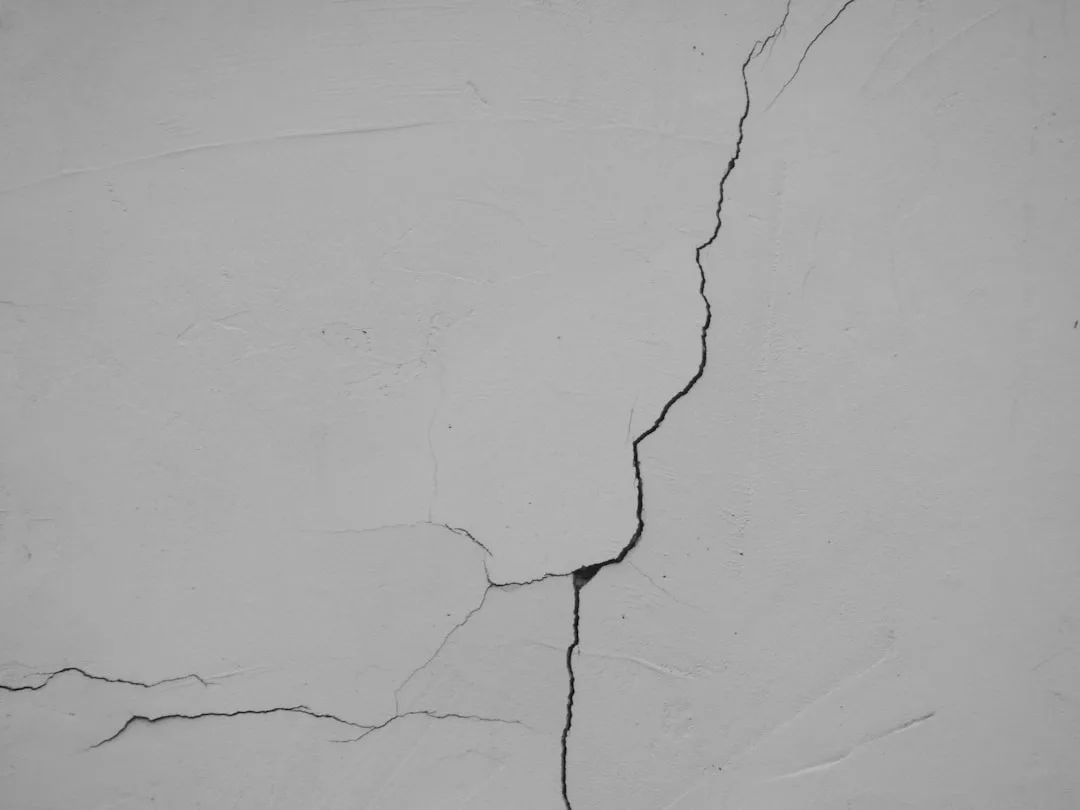
Finish coat cracking begins as hairline fractures—typically under 0.5 mm wide—appearing first at inside corners of windows or door openings where stress concentration peaks. Within 12–18 months, these micro-cracks propagate into visible networks. By month 24–36, sections of finish can separate from the EPS substrate, exposing the foam to moisture and UV degradation. The root cause is straightforward: a 4 mm finish coat cannot distribute stress evenly across the EPS surface when thermal cycling causes the foam to expand and contract. A 6–8 mm coat, by contrast, spreads tensile stress over greater material thickness, reducing peak stress at any single point.
Reinforcement mesh (alkali-resistant fiberglass) is supposed to bridge micro-movements, but mesh is only effective when fully embedded in finish depth of at least 4–5 mm. Contractors installing 3–4 mm total coats often position mesh in the middle or top layer, where it contributes little to base-coat adhesion. The mesh becomes a visual reference point for inspection (homeowners can see it was installed) but functionally useless because stress exceeds its load capacity in an undersized matrix.
Minimum Thickness Standards in 7 Climate Zones: What Your Spec Should Demand
EN 13499 and ASTM E2570 (USA) define minimum finish depths by climate exposure. Cold, wet climates (such as northern Europe or Canada) require 8–10 mm total finish because freeze-thaw cycling creates cumulative stress. Hot, UV-intense climates (Mediterranean, southwestern USA) demand 10–12 mm because acrylic and silicate bases degrade faster under UV, and thick coats maintain integrity longer. Temperate zones with moderate rain and temperature variation require 6–8 mm. Contractors designing a facade for Connecticut, for example, should specify 8 mm minimum; a quote specifying 5 mm is underengineered.
The deception lies in the word “finish.” Homeowners hear “finish coat” and assume one thin layer. In reality, the finish system includes a base coat (3–4 mm), reinforcement mesh, and a top coat (2–3 mm), totaling 6–8 mm minimum. Contractors often quote only the visible top coat depth (2–3 mm) and describe the system as “lightweight” or “modern,” omitting the base-coat requirement. When installation day arrives, time pressure or cost pressure can eliminate the base coat or reduce its thickness, creating a single weak layer over the foam.
3 Installation Techniques That Expose Hidden Thickness Problems
Thickness verification is rare in standard contracts. Homeowners and even some building inspectors lack tools to measure finish depth accurately. Wet-film thickness gauges (cost $15–40) can measure base coat depth immediately after application, but contractors rarely invite their use. Some installers use spray application for speed; this method aerates finish material, reducing effective thickness by 10–15% compared to hand-troweled application. A spray-applied 5 mm coat effectively performs as a 4.5 mm coat, compounding the undersizing problem.
Temperature and substrate humidity during application also affect thickness perception. A finish applied during high humidity may absorb water, swelling slightly to appear thicker than it will be after curing. When the finish dries, actual thickness shrinks below specification. Contractors working in autumn or winter often accelerate application to meet schedule deadlines, skipping proper drying time between coats and reducing effective cure depth.
The third hidden practice: mixing finish material with extenders or bulking agents to increase volume without increasing material cost. Some ready-mix systems are diluted with sand or mineral fillers beyond manufacturer guidance, creating a paste that appears thick during application but contains less actual resin binder. These finishes cure thinner than expected and crack within 18–24 months. Homeowners cannot detect this during inspection because visual assessment alone cannot distinguish proper density from extended material.
How Substrate Moisture Compounds Finish Cracking Across 24 Months
Moisture penetration through undersized finish coats accelerates cracking progression. A 6–8 mm finish resists water penetration for 8–12 weeks in heavy rain; a 3–4 mm coat becomes saturated within 2–3 weeks. Once moisture reaches the EPS substrate, the foam expands microscopically (EPS can absorb 2–5% of its volume in water). This expansion creates additional internal stress on the finish coat. The combination of thermal cycling stress plus moisture-induced expansion overwhelms an already-thin adhesive bond.
EPS mouldings detach after 2 years because your concrete is leaking moisture invisibly, a principle that applies equally to finish coats. Moisture behind the finish can originate from groundwater transmission through the concrete substrate, poor external drainage, or capillary rise from damp soil. Without finish depth sufficient to block this moisture migration (6–8 mm minimum), water reaches the foam and causes mechanical failure. Contractors working on older buildings with inherent moisture issues should demand 10–12 mm finish depth, yet many apply standard 5 mm systems without accounting for substrate conditions.