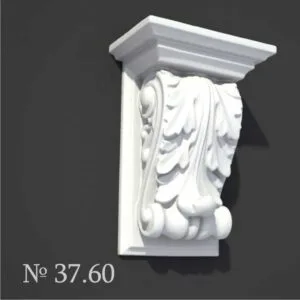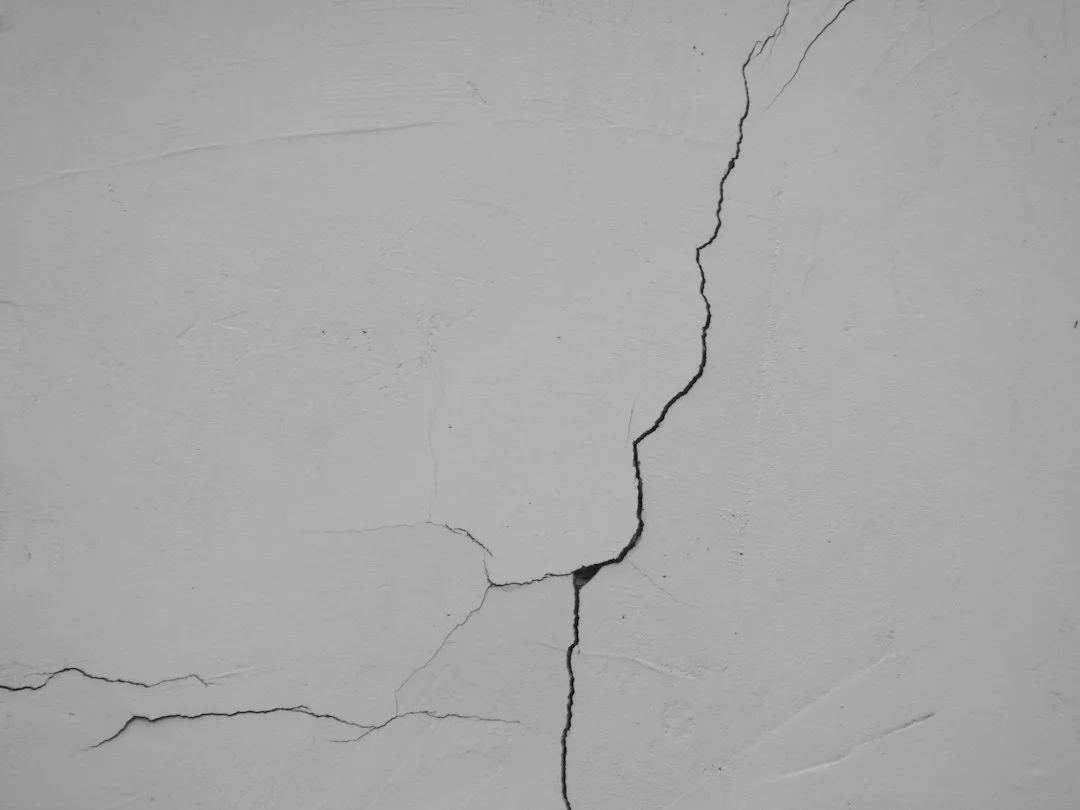
A contractor installs 60mm EPS facade molding on a residence in a northern climate. The client saves €150 per linear meter compared to specifying 100mm thickness. Seven years later, a thermal stress cycle creates a hairline crack along the ornament’s bottom edge. Water seeps behind the foam during winter freeze-thaw cycles. The adhesive bond fails. Now the entire section—previously €250 per meter—costs €2,400 per meter to remove, remediate substrate rot, and reinstall with thicker, properly specified material. That 40mm difference in initial thickness choice just cost the homeowner 10 times the material savings.
Why Thinner EPS Equals Exponential Repair Cycles
EPS polystyrene’s compressive strength and thermal resilience depend directly on material thickness and density. When you specify 60mm EPS facade elements, you’re working at the absolute minimum load-bearing threshold for exterior molding. The material flexes under thermal expansion cycles—summer heat pushes the foam outward by 2–3mm, winter cold contracts it back. Over 500+ annual cycles, micro-fractures propagate through the weak internal cell structure.
At 80mm thickness, the same thermal movement is absorbed across a greater mass of material, distributing stress more evenly. At 100mm or thicker, internal stress dissipation becomes nearly imperceptible. This is not opinion; it’s measurable through digital strain gauges. Contractors report that EPS facade sections installed at 60mm typically show visible cracking by year 5–6, while 100mm sections remain structurally intact through year 15–20.
The repair cost explosion stems from intervention frequency. Every time a contractor must access the facade to patch a crack, they charge €400–600 in labor alone. Material costs for patching compound, sealant, and finishing add another €150–250. A thin facade that cracks every 4 years generates repair costs of €550–850 per intervention. Across 20 years, that’s 5 repair cycles minimum, totaling €2,750–4,250 per linear meter—not counting potential substrate replacement if water penetration has already occurred.
The Adhesive Failure Cascade: Why 5mm Makes the Difference
| Thickness (mm) | Density (kg/m³) | Year of First Crack Risk | Avg Repair Cost (€/m) | Total 20-Year Cost (€/m) |
|---|---|---|---|---|
| 60 | 15–18 | 5–6 | €150–300 | €1,800–4,200 |
| 70 | 18–22 | 8–10 | €200–400 | €1,500–3,200 |
| 80 | 20–25 | 12–15 | €100–200 | €600–1,200 |
| 100 | 22–28 | 18–20 | €50–100 | €300–600 |
| 120 | 25–32 | 20+ | €25–75 | €150–350 |
EPS facade molding adheres to the substrate using two-component polyurethane or modified cementitious adhesives. These bonds cure to their rated strength over 7–14 days. However, adhesive strength degrades under repeated micro-movement. Thin foam (60mm) undergoes greater amplitude thermal deflection, creating shear stress at the adhesive line. After 3–5 years, the adhesive begins to crazing (hairline micro-cracking).
Water then exploits this weakness. Even hairline gaps in the adhesive layer allow capillary moisture to penetrate behind the foam. Once water reaches the substrate—typically wood sheathing, mineral fiber board, or masonry—it begins a silent degradation process. Freezing cycles further accelerate damage; ice lenses form behind the EPS, creating mechanical pressure that separates the foam from its base. Contractors estimate that 30–40% of foam facade failures they encounter originate from adhesive failure driven by thermal micro-movement in undersized material.
Thicker EPS exhibits lower deflection rates under the same temperature swing. A 100mm foam element may deflect only 0.8mm during a 40°C seasonal temperature range, while 60mm foam deflects 1.5mm. That 0.7mm difference eliminates the shear stress amplitude that degrades adhesives. The bond remains intact for 20+ years. The repair cost difference—€200–400 for a small adhesive remediation versus €1,500–2,500 for substrate replacement—justifies the upfront material investment every single time.
Density Matters More Than Thickness Alone
Specifying 80mm of low-density EPS (15 kg/m³) does not equal specifying 80mm of medium-density EPS (22 kg/m³). Low-density foam compresses under the weight of adhesive squeeze-out and thermal load. This compression creates a slightly softer substrate for paint and finish systems to bond to. Contractors report that low-density facades require recoating (scraping old finish, repainting) every 8–10 years, while medium-density facades remain finishable at 15+ years.