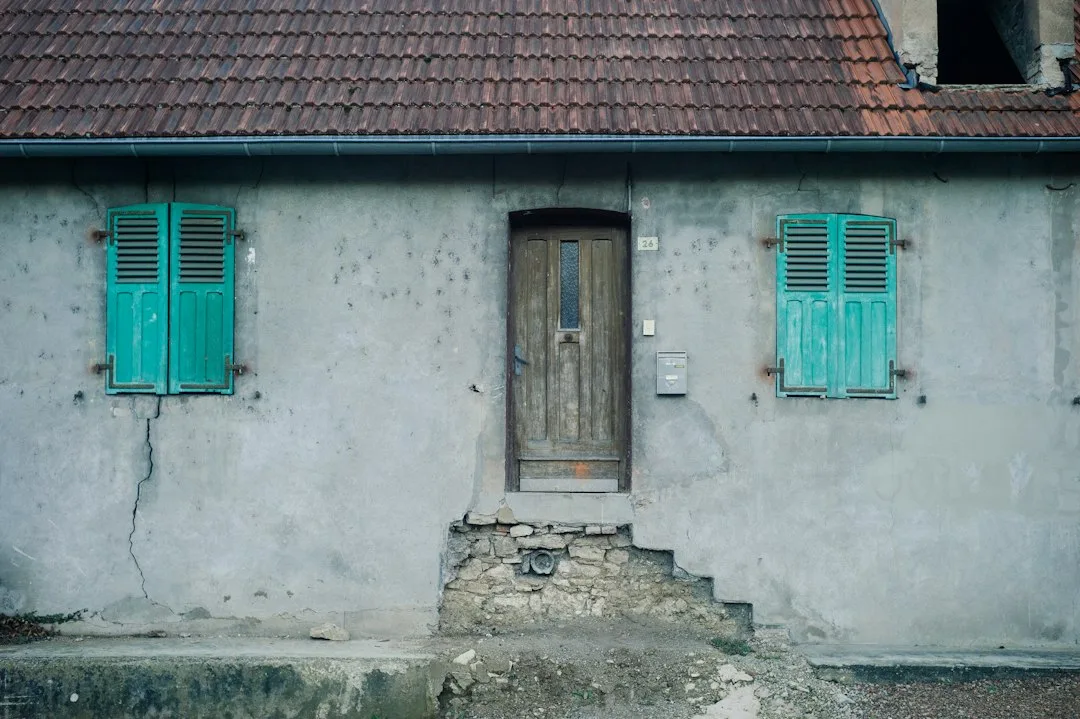
A crack you filled last spring reappearing in the same spot is not bad luck, it is a diagnosis. Contractors report that most recurring facade cracks are never caused by the finish itself, and cosmetic patching is simply the least effective response. The crack is telling you something moved, got wet, or was never bonded correctly.
Why the Same Crack Returns Every Season
Render and paint are thin skins. They cannot hold a wall together on their own, so when the substrate beneath them moves, the skin splits along the weakest line. That line tends to be the same every time because the stress pattern does not change. Filling it with fresh filler simply restores a smooth surface over the same fault.
Thermal movement is a frequent culprit. A south-facing wall can swing through a large temperature range in a day, and different materials expand at different rates. Without a movement joint or flexible detailing at transitions, that cycle works the crack open repeatedly. The crack widens a little each summer and winter until the patch fails again.
Water Is the Hidden Accelerator
Water entering through a crack does far more damage than the crack looks like. It saturates the render behind the surface, freezes in cold climates, and breaks the bond between layers. A common pattern is a faint stain beneath a crack that nobody connected to the crack itself. Before blaming the render, check the base course, flashings, and drip details, because water often enters well below the visible damage. For a deeper look at this, see how the base course soaks up rain before the wall ever sees it.
Diagnose the Crack Pattern Before You Touch It
The shape of the crack carries information. Fine map-like networks usually point to shrinkage in a thin or rapidly dried layer. Diagonal cracks radiating from window corners often indicate lintel movement or settlement. Horizontal cracks at a floor line suggest a missing or ineffective joint. The table below summarizes the patterns field crews see most often and the first step for each.
| Crack pattern | Likely cause | Typical first check | Repair direction |
|---|---|---|---|
| Fine hairline, map-like network | Shrinkage or thin render layer | Render thickness and curing history | Mesh reinforcement and proper base coat |
| Diagonal from window corners | Structural settlement or lintel movement | Foundation and lintel condition | Structural assessment before cosmetic work |
| Horizontal at a floor line | Thermal movement or missing joint | Expansion joint presence | Install movement joint and flexible sealant |
| Along an EPS molding edge | Adhesive detachment or thermal bridge | Bond test on molding | Re-bond or replace with correct adhesive |
| Vertical at a wall junction | Differential movement between materials | Junction detailing | Flexible joint at material change |
| Wet staining around crack | Water ingress through crack | Base course and flashing | Waterproof seal and drainage correction |
Check the Bond Behind Decorative Elements
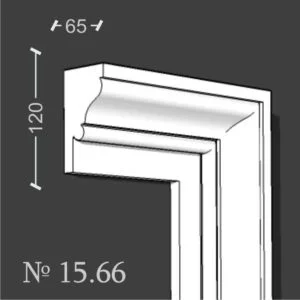
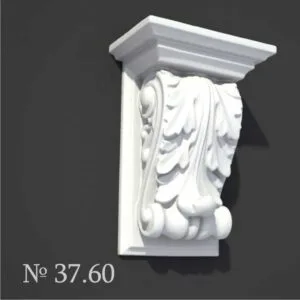
Decorative features are a frequent, overlooked source of recurring cracks. When an EPS molding is bonded with insufficient adhesive coverage, or with a product not rated for the substrate, it can pull away slightly with each thermal cycle. The crack then forms at the molding edge, not in the molding itself. Lightly tapping the molding will often reveal hollow areas that indicate poor bond. Products such as exterior foam moldings perform well only when fixed to a sound substrate with full adhesive coverage and reinforced at the perimeter.
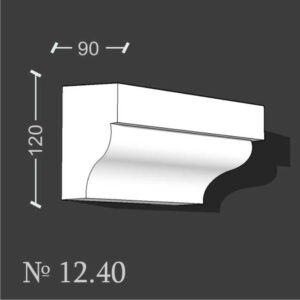
Window surrounds deserve the same scrutiny. A detail like a decorative window sill sits in one of the most stressed zones of the facade, where water runs off and movement concentrates. If the sill is not sealed and flashed properly, cracks will appear at its ends each year.
How to Repair It So It Stays Repaired
A durable repair follows a sequence. First, identify and stop the water source. Second, determine whether movement is still active by marking the crack and measuring it over several months. Third, open the crack to sound material, widen it into a V-groove if needed, and fill it with a flexible sealant rather than rigid filler. Fourth, embed reinforcement mesh across the repair and apply the base coat and finish in the correct thicknesses. Skipping the mesh is the single most common reason patches fail within two to three years.
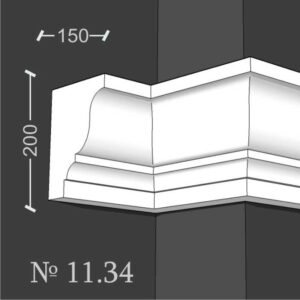
Where the crack reflects a joint that should exist, install a proper movement joint instead of bridging it. Joints exist to absorb movement, and a rigid repair across them guarantees the crack returns. For cornice and parapet areas, the detailing of the top edge matters as well, which is why cornice design affects how long the facade survives.
When to Call a Structural Engineer
Not every crack is a finishing problem. Cracks wider than about 1 mm, cracks that grow measurably within a year, diagonal cracks at openings, or cracks that offset across the wall plane suggest structural movement. In these cases, cosmetic repair is premature. A structural engineer can assess foundations, lintels, and load paths, and the facade contractor should wait for that verdict before committing to a finish system.
Set a Monitoring Plan for the Next Five Years
Mark the crack ends with a pencil or a simple crack gauge and photograph the area each season. If the marks stay put for a full year after repair, the cause has likely been addressed. If they move, the cause is still active and needs more investigation. Expect to observe the wall through at least one full seasonal cycle, and ideally two, before declaring the repair complete. This discipline costs nothing and prevents the cycle of repeated patching that drains budgets.
The Bottom Line on Recurring Facade Cracks
A crack that keeps returning is an unresolved problem, not a surface defect. Trace it to movement, water, or bonding failure, then repair the cause with flexible sealant, reinforcement mesh, correct joints, and sound adhesion. Treat the finish as the last step, not the first. Done this way, a repair that once needed annual attention can last the lifetime of the finish.