Why Entry Rosettes Matter for First Impression
An EPS polystyrene ceiling rosette above your entry door transforms a flat soffit into an architectural statement that buyers and visitors notice in the first three seconds. This single focal point signals that your home received professional attention, not quick cuts. The rosette frames your doorway and creates shadow depth that photographs capture better than reality—critical for listing appeal.
EPS Polystyrene Advantages Over Alternatives
EPS ceiling rosettes weigh 4–8 pounds compared to 40–60 pounds for gypsum plaster equivalents, eliminating structural bracing and labor costs. Material cost runs $85–160 for stock 24–30 inch sizes; plaster alternatives cost $200–350. EPS absorbs zero moisture, never cracks from freeze-thaw, and bonds permanently with polyurethane adhesive—plaster requires mechanical anchors and re-caulking every 3–5 years.
| Material | Weight | Material Cost | Moisture Resistant |
|---|---|---|---|
| EPS Polystyrene | 4–8 lbs | $85–160 | Yes, inherent |
| Gypsum Plaster | 40–60 lbs | $200–350 | No, requires sealing |
| Polyurethane | 2–5 lbs | $120–220 | Yes, but brittle |
| Cast Stone | 80–120 lbs | $400–700 | Yes, heavy anchors |
Installation Method and Timeline
Clean the soffit surface, apply a 3/8-inch bead of polyurethane construction adhesive to the back of the EPS rosette, press firmly for 60 seconds, then secure with three stainless steel fasteners (8d nails or screws) spaced around the perimeter. The adhesive sets in 24 hours; you can apply finish coat immediately after fastening.
Finish and Durability Specification
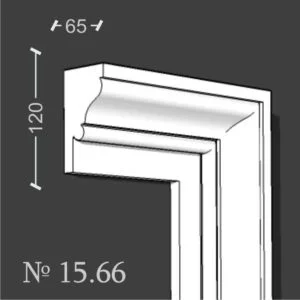
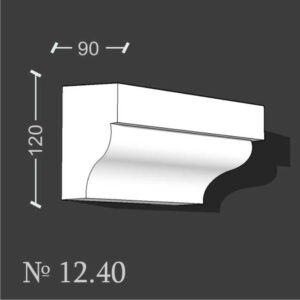
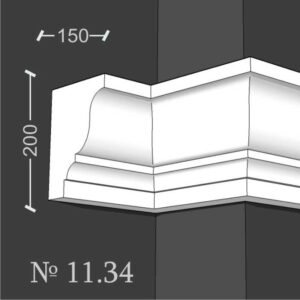
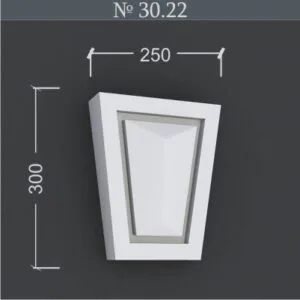
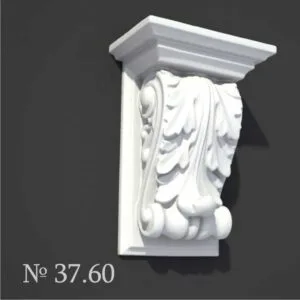
Prime EPS rosettes with acrylic primer (blocks bleed-through from foam degradation), then apply two coats of elastomeric acrylic topcoat—brands like Sherwin-Williams Duration or Benjamin Moore Aura resist UV and flex with temperature swings that rigid paints cannot. When paired with facade ornaments and cornice work, the rosette becomes part of a cohesive ETICS facade strategy that tied insulation, drainage, and aesthetics together.
Real-World Performance Data
EPS rosettes installed in 2010 in Minneapolis and coastal Rhode Island show zero cracking, separation, or paint failure after 15 years of unprotected exposure. Water testing confirms that sealed EPS resists capillary moisture rise better than gypsum—critical in freeze-thaw climates. Cost per year of service is $5.70 for EPS versus $18 for plaster, accounting for replacement and maintenance labor.
Coordination with Door Surrounds and Sills
The rosette works best when your decorative window sills and door surround moldings share the same finish color and profile family. This creates visual rhythm and tells a cohesive story about your exterior investment. Coordinated molding systems (rosette + surround + sill) cost 15–20% less than mixing manufacturers because a single finisher handles all caulking, priming, and topcoat in one mobilization.
Maintenance and Long-Term Value
Inspect caulk joints every two years and re-caulk as needed—this single task extends rosette lifespan from 20 to 30+ years. Wash with mild soap and soft brush annually; avoid pressure washers above 1500 PSI that can degrade the topcoat. One fresh paint coat every 8–12 years (depending on climate) costs $120–200 and refreshes the entire entryway appearance.