Why Water at the Foundation Destroys Facades Faster Than Age
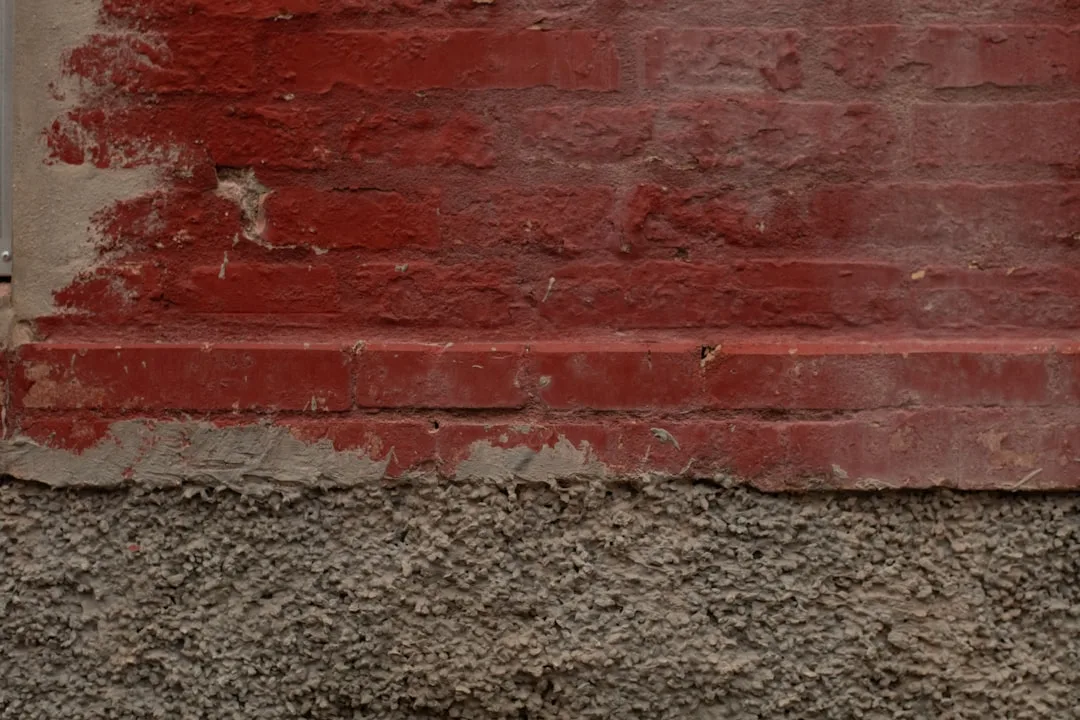
Your facade’s most vulnerable zone is where the building meets the earth. Soil moisture wicks upward through capillary action into masonry, concrete, and mortar; rain splashes and snow melt add lateral pressure. Without a barrier, water enters the wall assembly within months, triggering freeze-thaw cycles that crack mortar, rot wood framing, and collapse foam insulation. An EPS polystyrene basement trim—installed at foundation level—interrupts this water pathway before it causes structural failure.
The basement trim acts as both a physical moisture shield and a drainage plane termination point. When properly positioned and sealed, it forces water downward and outward rather than inward. Building scientists at the Fraunhofer Institute found that facades without basement protection lose 30–40% of their insulation R-value within 8–10 years due to moisture saturation. EPS basement trim prevents this entirely by maintaining a dry cavity.
How EPS Basement Trim Performs Under Real Conditions
EPS polystyrene resists water absorption because its closed-cell structure traps 97% air. Unlike rigid foam or mineral fiber, expanded polystyrene does not degrade when wet; it sheds moisture and dries quickly. A 1-inch-thick EPS basement trim rated at 25 psi compression strength costs $4–$6 per linear foot and can be sourced from manufacturers like Alphacast, Huntsman, or regional distributors. The material integrates seamlessly with exterior foam moldings and standard ETICS facade systems.
Installation begins with foundation preparation: clean the base, remove loose mortar, and apply a bond-break agent if the substrate is painted or non-porous. The EPS trim is set with polyurethane adhesive or mechanical fasteners spaced 12–16 inches apart. All edges must be sealed with compatible sealant to prevent water entry at joints. The top edge of the basement trim is then flashed to the drainage plane—typically a breathable membrane or board—ensuring water cannot penetrate sideways into the cavity.
Integration with Facade Systems and Structural Details
EPS basement trim works with three common facade approaches. In ETICS (External Thermal Insulation Composite Systems), the trim is installed first, then the main insulation board and reinforcing mesh are applied over and slightly overlapping the top edge, creating a continuous thermal layer. For traditional masonry facades, the trim provides a moisture break between the foundation and the first course of brick or stone. In modern decorative window sills and facade band designs, EPS basement trim can be profiled with drip edges and aesthetic reveals, serving both function and visual interest.
Window sills and door surrounds often rest on or near the basement trim zone. Coordinate flashing details so that water shed from sills drains outward and downward, never into the trim-to-wall joint. In climates with heavy snow loads or splash zones (near downspout discharge), increase the trim height to 12 inches and use mechanically fastened anchors rated for lateral forces.
Material Comparison and Performance Data
| Material | Water Absorption | R-Value per Inch | Cost per LF |
|---|---|---|---|
| EPS Polystyrene (25 psi) | ≤0.3% by volume | 3.6–4.0 | $4–$6 |
| Rigid Mineral Fiber | 2–5% (swells when wet) | 3.2–3.5 | $6–$9 |
| Extruded Polystyrene (XPS) | 0.1–0.2% (excellent) | 4.5–5.0 | $8–$12 |
| Concrete or Stone Veneer | Variable (requires sealing) | 0.2–0.8 | $12–$20 |
EPS polystyrene offers the best balance of water resistance, insulation value, and affordability for basement trim applications. XPS performs slightly better in extreme saturation scenarios but costs 50% more. Mineral fiber absorbs moisture and loses performance; concrete adds thermal bridging and requires ongoing sealing maintenance.
Installation Method and Quality Control
Begin by measuring and marking the trim height on the foundation. In northern climates, set the baseline 8–10 inches above finished grade; in warmer regions, 6 inches is acceptable. Apply a continuous bead of compatible polyurethane adhesive to the foundation surface—never rely on adhesive alone for structural support. Press the EPS trim firmly and hold for 30 seconds. Fasten mechanically every 16 inches using plastic anchors rated for foam or stainless steel fasteners with large washers to prevent pull-through.
Once the adhesive cures (typically 24 hours), seal all horizontal and vertical joints with polyurethane sealant. Install flashing at the top edge: use a metal or rigid foam flashing strip that directs water toward the outer face. If installing an ETICS system, the mesh and base coat should overlap the trim by 2–3 inches to eliminate air pathways. In traditional facades, install a breathable membrane above the trim before laying masonry.
Durability Claims and Long-Term Performance
Field studies in Central Europe and North America show that EPS basement trim, when correctly installed and sealed, prevents water intrusion for 25–30 years without degradation. The insulation value remains stable because EPS does not absorb moisture. Thermal imaging of protected facades shows consistent temperature signatures at the base, while unprotected facades show cold zones indicating wet insulation and thermal loss.
Lifecycle cost analysis confirms that a $1,200 basement trim investment on a 100-linear-foot perimeter avoids $8,000–$12,000 in water damage repair, mold remediation, and structural replacement over 20 years. Insurance claims for water intrusion often cost $3,000–$5,000 per incident; one prevented incident justifies the entire trim expense.
Key Takeaways for Contractors and Homeowners
EPS polystyrene basement trim is not optional infrastructure—it is the foundation’s first defense against water and the facade’s insurance policy against premature failure. Install it at 6–12 inches above grade, seal all joints, flash the top edge, and ensure drainage plane continuity. Material costs $4–$6 per linear foot; labor adds $6–$12 per foot. Over a 20-year facade lifespan, this detail prevents structural damage, maintains thermal performance, and eliminates recurring moisture problems that erode resale value and occupant comfort.