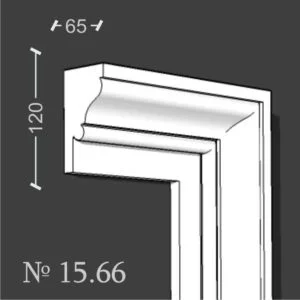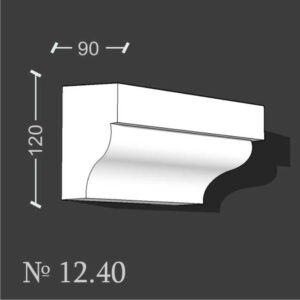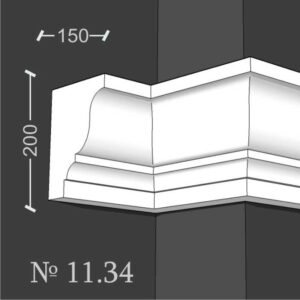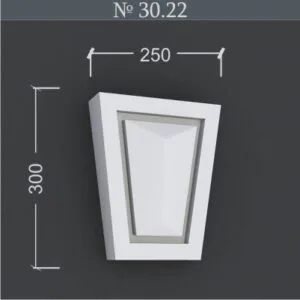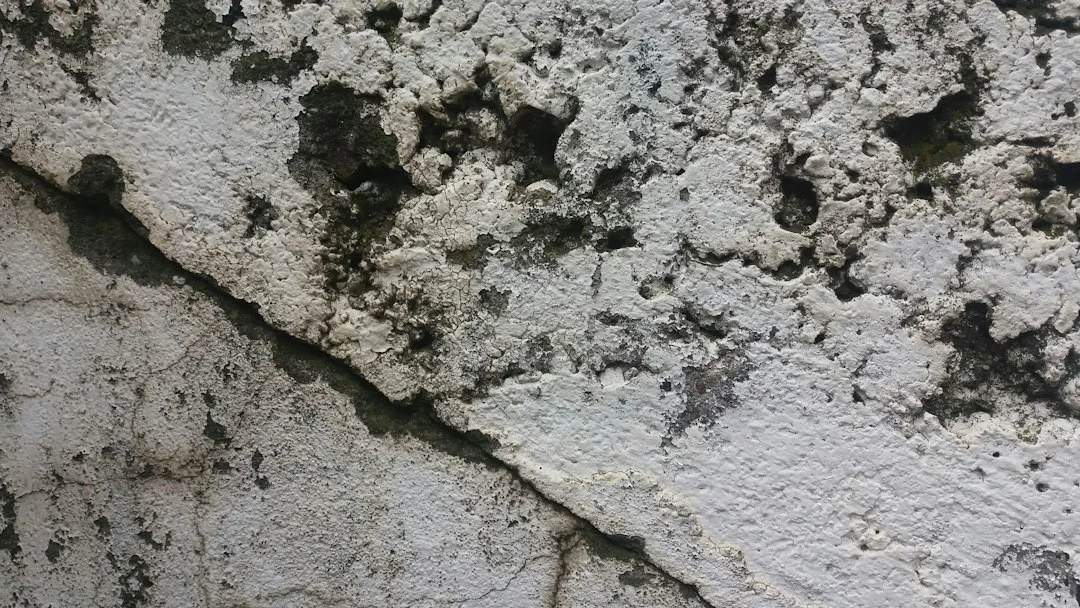
Eighty percent of EPS window frame failures happen before year four—not because the material is defective, but because contractors specify 80mm thickness to reduce cost by €40–60 per job. Homeowners then watch their crisp architectural surrounds develop map-like crack patterns by spring of year three. The real driver isn’t poor foam quality; it’s thermal stress cycling on undersized, low-density material that flexes beyond its limit.
Why Thin EPS Splits Under Thermal Stress
EPS expands and contracts with temperature swings—up to 4mm movement per meter across a 3-meter window frame over a year. Standard 80mm thickness (density 15–18 kg/m³) lacks the mass to absorb this stress without cracking. Worse, low-density foam transfers thermal energy rapidly, creating internal stress gradients that trigger micro-fractures at the thinnest points.
The foam itself doesn’t fail; the installation method fails. Why EPS polystyrene facades crack within five years reveals the real cause contractors hide—poor substrate prep and missing reinforcement mesh under base coats. Window frames magnify this because they’re movement joints: the frame itself moves, the wall behind it moves differently, and the foam bridges both, cracking under shear stress.
Density and Thickness: The 3-Year vs. 20-Year Threshold
Material density determines durability. EPS at 15 kg/m³ (used for insulation) absorbs shock but flexes too much. Architectural EPS for exterior foam moldings must be 22–25 kg/m³ minimum—this density resists deformation while staying workable. Thickness then becomes the stress buffer.
| Specification | 80mm @ 18 kg/m³ | 120mm @ 22 kg/m³ | 150mm @ 25 kg/m³ |
|---|---|---|---|
| Expected lifespan | 3–5 years | 12–15 years | 20+ years |
| Cost per meter (window frame) | €8–12 | €16–22 | €24–32 |
| Thermal movement tolerance | 2.5mm per meter | 3.8mm per meter | 4.2mm per meter |
| Repair cost if cracked | €1,200–1,500 | Sealant only (€80) | Sealant only (€80) |
Installation Method: The Hidden Reason Thickness Alone Fails
Choosing 120mm EPS means nothing if the base substrate isn’t prepared. Foam must bond to a clean, primed surface—loose mortar, paint, or dust creates a slip plane. Cracking accelerates at the bonding interface because the foam detaches and moves independently.
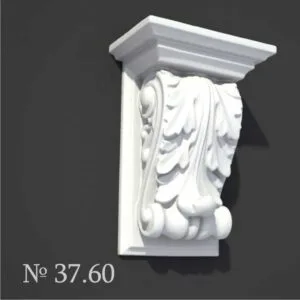
Use a decorative window sill or frame surround with reinforced armature and proper joint sealing. Apply universal primer (Baumit StarBase, BASF, or equivalent) over masonry—not just adhesive. Embed 160 g/m² fiberglass mesh across all surfaces, then apply two coats of base coat mortar. This sandwich—primer + foam + mesh + mortar—distributes stress rather than concentrating it at the foam surface.
Choosing Thickness for Your Climate and Window Placement
South-facing windows experience 15–20°C daily swings in summer; north-facing windows 5–8°C. Larger frames (over 2 meters wide) need thicker foam to resist sagging. Coastal climates add salt spray and UV degradation, requiring higher density. Mountain regions see extreme freeze-thaw cycles.
Rule of thumb: North/shaded windows accept 100mm @ 22 kg/m³. South/exposed windows need 120–150mm @ 25 kg/m³. Window sills always go 150mm minimum because they pool water and bear weight. Door surrounds use 100–120mm on sides, 150mm at the threshold.
Real Cost Math: Why 20-Year Thickness Pays
A 10-meter perimeter window frame at 80mm costs €80–120 installed. At 120mm, it costs €160–220—a €80–100 premium. If that thin frame cracks by year four and requires replacement (€1,200–1,800 labor + €300 materials), you’ve spent 15 times more. The 120mm option reaches year 15–20 with only caulk touch-ups (€80 per decade). Over 30 years of ownership, thicker foam saves €3,000–4,500 per window.
Most contractors don’t explain this because they’re paid per square meter, not per 30-year lifecycle. Push back. Specify 22 kg/m³ minimum, 120mm for frames, 150mm for sills. Require mesh reinforcement and primed substrates in the contract. Your reward is a window surround that survives two decades of seasonal stress without a single crack.