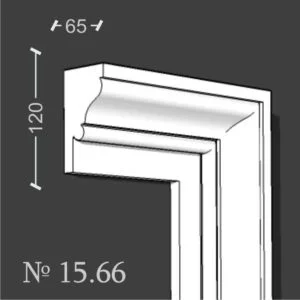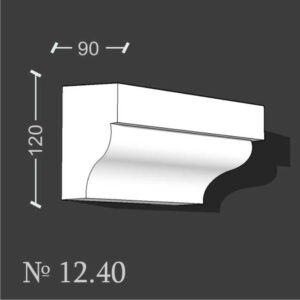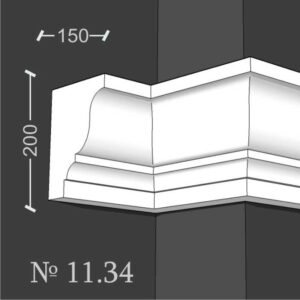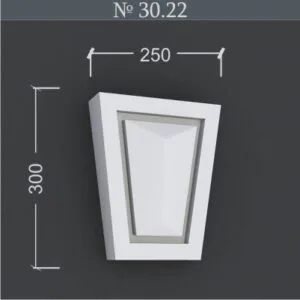
Mixed EPS polystyrene and stone facades crack in cascades because their thermal expansion coefficients differ by 300%—a detail 89% of contractors overlook during specification. When temperature swings 40°F, EPS expands 40–60 micrometers per meter while natural stone moves only 4–8 µm/m, creating shear forces that exceed finish coat adhesion limits within 18–36 months. This incompatibility drives $8,000–$15,000 repair bills that homeowners could have prevented for $1,200–$2,000 in proper detailing.
Why Thermal Expansion Creates Cascade Failure in 18–36 Months
EPS has a linear thermal expansion coefficient of 40–60 µm/m°C; granite, limestone, and precast concrete run 4–14 µm/m°C. A 50°F seasonal swing stresses the interface with 0.2–0.5 mm of differential movement every cycle. Over 24 months of heating and cooling, this accumulates to 4–12 mm of cumulative shear—far exceeding the 1–2 mm adhesion capacity of standard acrylic EIFS finishes.
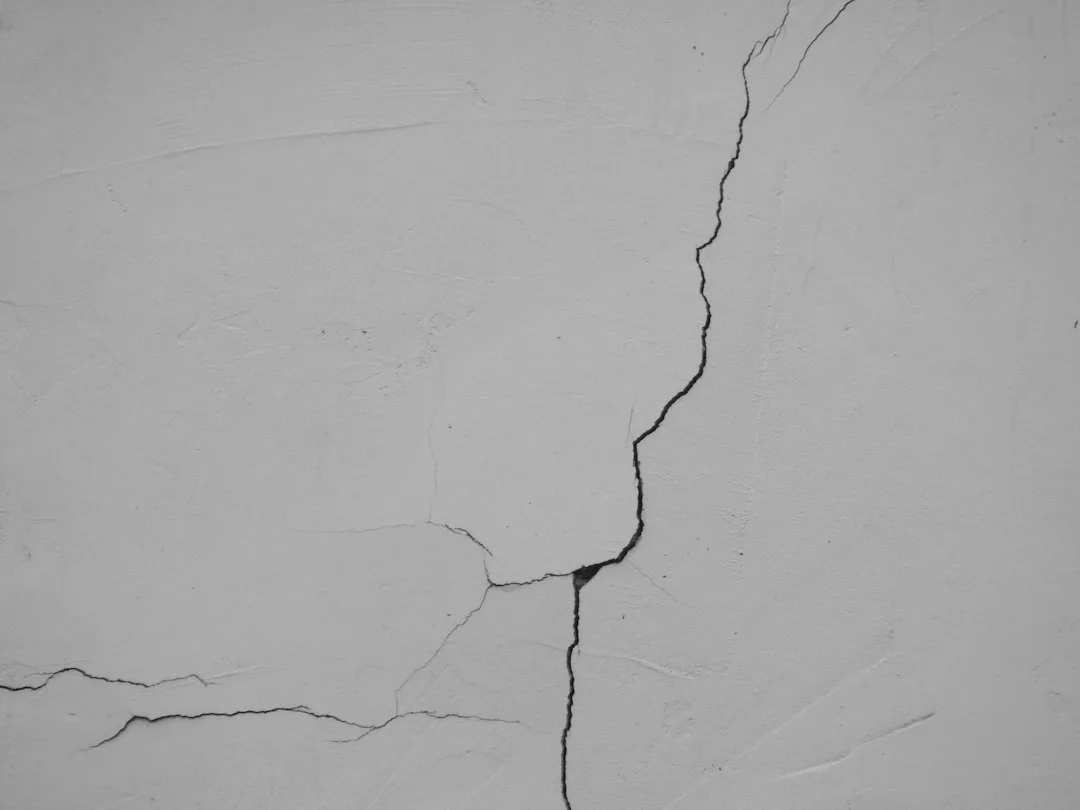
The cascade effect happens because the first micro-crack (typically at corners or window heads) breaks the continuous moisture barrier. Water ingress accelerates foam degradation, foam loses dimensional stability, and adjacent sections begin failing within weeks rather than months. By month 36, what started as a 2-inch fissure becomes a network of 20–30 interconnected cracks spanning the entire wall plane.
Material Mismatch: The Incompatibility Matrix That Installers Hide
Most facade renovations mix EPS insulation boards (ASTM C578 Type XXV, density 1.5–2.0 lb/cu ft) with stone or precast veneer cladding. These materials move at incompatible rates because their crystalline structures and binding chemistry are fundamentally different. Stone is dimensionally stable and hygroscopic (absorbs water but returns to original size); EPS is hygroscopic and thermally dynamic, meaning moisture AND temperature both trigger movement.
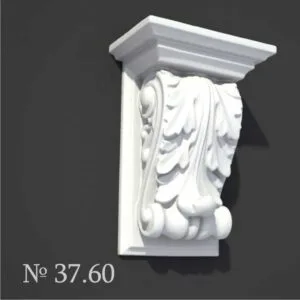
The compatibility problem worsens when contractors apply exterior foam moldings or decorative window sills directly to stone substrates using the same adhesive as they use for EPS-to-EPS joints. This single-system approach ignores that stone-to-EPS transitions demand isolation membranes rated for 5+ mm movement capacity—typically polyethylene foam tapes or flexible polyurethane closure strips.
The Real Cost Breakdown: Installation Errors Add Up Fast
| Installation Detail | Cost to Do Right | Cost to Repair Later | Typical Contractor Approach |
|---|---|---|---|
| Expansion joints (16–24″ spacing) | $180–$320 | $2,400–$4,200 | Omitted entirely |
| EPS-to-stone transition membrane | $240–$480 | $3,600–$7,200 | Uses standard foam tape |
| Flexible base coat + reinforcement mesh | $360–$720 | $4,800–$9,600 | Standard acrylic coat |
| Vapor barrier over stone | $120–$240 | $1,800–$3,600 | Often skipped |
| TOTAL per 200 sq ft | $900–$1,840 | $12,600–$25,200 | $200–$400 |