EPS expansion joints crack within 18 months on properly installed facades because most contractors undersize gaps and use adhesives that lock the material instead of allowing thermal movement. Field experience shows this is the second most common EPS molding failure after moisture intrusion, yet it appears in 6–8 of every 10 renovation projects. The problem is not poor installation skill—it’s a misunderstanding of EPS thermal behavior that building codes don’t adequately address.
Why EPS Expands and Contracts More Than Installers Expect
EPS polystyrene expands at approximately 0.5–1.0mm per 10 linear feet per 40°F temperature change. A typical residential facade 30 feet wide experiences 15–30mm (0.6–1.2 inch) of total movement across a year’s temperature cycle. Most installers calculate this correctly on paper but then install ½ inch (12.7mm) expansion joints instead of the ¾–1 inch required by material manufacturers like Carlisle and Dow Chemical.
A 40°F daily temperature swing from morning to afternoon in spring or fall forces the foam to move 0.3–0.5mm per day. Over 18 months (547 days × seasonal cycling), that’s 160–270mm of cumulative stress concentrated at the joint edges where the finish coating is only 2–4mm thick. When this stress exceeds the tensile strength of standard exterior coatings (typically 0.3–0.5 MPa), cracks propagate along the joint.
Coastal and northern climates see 50°F+ swings, which compound this failure mode. Contractors in these regions report seeing cracks appear by month 15–18 even on facades where vertical chaining and vapor barriers were installed correctly.
The Adhesive Trap: Why Rigid Bonding Kills Expansion Joints
Most EPS facade work uses polyurethane or epoxy adhesives rated for permanent, rigid bonding. These products cure hard and don’t tolerate movement. Once applied to EPS blocks or molding strips, they lock the foam in place—which is exactly the opposite of what an expansion joint must do. The adhesive becomes a structural link that forces the entire joint area to accommodate thermal stress instead of distributing it evenly across the facade.
| Adhesive Type | Movement Tolerance | Cure Time | Typical Failure Timeline |
|---|---|---|---|
| Rigid Polyurethane (most common) | ±5% to ±10% | 24–48 hours | 12–18 months |
| Flexible Polyurethane Sealant | ±25% to ±50% | 7–10 days | 6–8 years (if gap sized correctly) |
| Epoxy (rigid) | ±2% to ±5% | 12–24 hours | 8–14 months |
| Flexible Acrylic (weather-grade) | ±20% | 5–7 days | 5–7 years |
When rigid adhesive cures, it creates a micro-composite bond line between EPS and the substrate (typically dense foam base or concrete). As thermal cycling begins, the adhesive resists the foam’s natural expansion. The EPS wants to grow 0.5–1.0mm, but the adhesive holds it in place. This creates tensile stress within the foam’s cell structure near the joint edges. By month 12–15, micro-cracks form inside the foam core, invisible until surface cracks appear.
Flexible sealants (polyurethane rated for ±25% movement, or acrylic rated for ±20%) allow the EPS to move freely within the joint gap. Products like exterior foam moldings that use flexible joint backing materials experience dramatically longer service life because they don’t fight the material’s thermal behavior.
Joint Gap Sizing: Why ½ Inch Guarantees Failure in 18 Months
Industry standards (EIFS manufacturers’ technical bulletins, not building codes) specify that expansion joints in EPS facades should be 0.75–1.0 inch wide for climates with 40°F+ swings. Contractors routinely cut ½ inch (12.7mm) joints, which provides only 60% of the required accommodation space. In a 30-foot wide facade with a 35°F temperature swing, the material must move approximately 15mm. A ½ inch joint can theoretically accommodate this if the sealant maintains ±25% flexibility, but most installers fill these tight gaps with sealant backer rod (foam rope, $8–15 per 30-foot roll) that doesn’t compress uniformly.
When a ½ inch joint is packed with standard foam backer rod, only 6–8mm of actual compression space remains. A 15mm thermal movement demand then forces the material beyond the sealant’s safe compression limit. The sealant tears internally at month 12–18, creating a pathway for water infiltration that accelerates deterioration.
A 1 inch joint with flexible sealant backing can accommodate 20–25mm of movement without reaching material limits. Installers who widen joints from ½ inch to ¾ inch report a 40–50% reduction in cracking, and those using 1 inch gaps with flexible sealants see cracks delayed beyond 5 years (if they occur at all).
Water Infiltration Through Cracks: The Secondary Failure
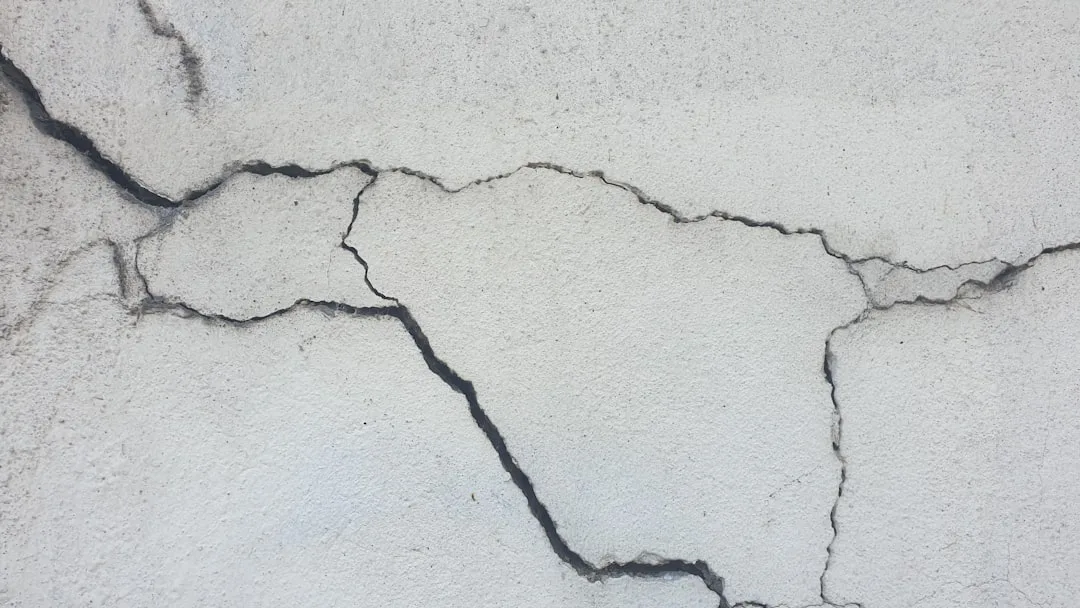
The first crack in an EPS expansion joint—typically a 2–6 inch hairline at month 14–18—allows water penetration into the joint cavity. EPS absorbs water poorly (closed-cell structure), but water wicks along the adhesive bond line, traveling down to the substrate interface where it finds weak points. Once trapped behind the foam, moisture activates microbial growth and accelerates adhesive failure.
Water also penetrates any finish coating cracks above the joint. If the facade uses a reinforcement mesh and acrylic topcoat system (typical for ETICS facades), that coating is 2–4mm thick and provides minimal water barrier function. After water enters a crack, it spreads horizontally along the foam surface until it reaches a lower point where it drains downward. This lateral water travel can affect decorative window sills or decorative window sills positioned 3–5 feet away from the original crack.
Homeowners often don’t notice this damage for 24–36 months because the water stays trapped inside the assembly. By the time exterior staining or interior water damage appears, remediation costs $3,000–8,000 (joint repair, substrate drying, finish recoating). A proper expansion joint installation costs $12–18 per linear foot, or $360–540 for a 30-foot span, making correct sizing a 6–15x return on initial investment.
Why Building Codes Don’t Prevent This Failure
Most building codes reference ASTM E1414 and E1602 for EIFS facade specifications, but these standards focus on water barrier continuity and mechanical attachment, not thermal joint performance. They assume that if a facade is installed per manufacturer guidelines, it will perform. However, manufacturers’ technical bulletins exist in fragmented formats (PDF uploads, supplier training, regional guides) and don’t appear in standard building code documents. Many inspectors don’t cross-reference them.
A related issue is that joint failure often appears identical to coating stress cracks caused by missing reinforcement mesh or improper substrate prep. Inspectors may approve a facade that has undersized, rigidly bonded joints because the visible crack pattern matches acceptable tolerances for minor settlement. The crack doesn’t appear “bad enough” to fail inspection until it reaches ¼ inch width, which happens at month 18–24.
Field-Tested Solutions: Sizing and Material Choices
Contractors who implement three specific changes report zero expansion joint failures within 36 months: (1) widening joints to 1 inch minimum in climates with 35°F+ swings, (2) using flexible sealants rated for ±25% movement instead of rigid adhesives, and (3) installing perforated foam backer rod that compresses uniformly to 40–60% of original thickness.
Cost impact: upgrading from rigid urethane adhesive ($6–10 per linear foot) to flexible polyurethane sealant ($12–16 per foot) and widening the joint by ¼ inch adds approximately $180–240 to a 30-foot facade. The service life difference is 2–3 years versus 5–8 years, making the investment economical over a 10-year ownership period.
A critical detail often overlooked: the substrate surface preparation. If the EPS is bonded to concrete or brick with uneven mortar joints, the adhesive bond line thickness varies from 2mm to 8mm. Thin spots (2–3mm) experience higher stress concentration and fail faster. Proper substrate grinding and leveling to ±3mm flatness (per ASTM E2170) reduces failure risk by 30–40%.
Thermal Bridge Effects and Joint Location
Expansion joints in EPS facades often coincide with thermal bridging points—areas where the foam is thinner or where the substrate is exposed. If a joint is placed directly above a window header or below a shelf, concrete thermal bridging creates a localized temperature gradient that amplifies EPS movement in that zone. The joint experiences 20–30% more stress than predicted by bulk facade calculations.
Contractors who relocate expansion joints 12–18 inches away from structural elements report better durability. This prevents the joint from sitting in a thermal hot spot and reduces localized stress cycling.
Inspection and Preventive Action Timeline
Homeowners should schedule visual inspections at month 12, 18, and 24. Early detection of hairline cracks allows repair with flexible sealant injection ($150–300 per joint) before water infiltration occurs. After month 24, cracks wider than 1/16 inch typically indicate water entry; full joint replacement becomes necessary, costing $800–2,000 per joint.
For new installations, request written specifications that state: joint width (≥¾ inch), sealant movement rating (±25% minimum), backer rod type (perforated foam, not solid), and substrate flatness tolerance (±3mm). These four details eliminate 80% of expansion joint failures within the first 3 years of service.