Your EPS facade render develops hairline cracks in year three because contractors pair the wrong resin chemistry with the EPS base—a silent material incompatibility that costs nothing extra to avoid but destroys durability without warning. Your neighbor’s facade render stays intact for 12 years because they understood one overlooked specification: the elasticity modulus of the topcoat must match the thermal movement of expanded polystyrene. This article reveals the resin selection mistake that shortens facade life by 8 years and shows you how to prevent it.
Why Resin Chemistry Controls EPS Facade Lifespan
EPS polystyrene expands and contracts 3–5 times more than concrete or masonry during daily temperature swings. When exterior temperatures swing from 40°F at dawn to 75°F by noon, the foam substrate moves microscopically—typically 0.15–0.3mm per meter of width over a 24-hour cycle. If your topcoat resin is too rigid (low elongation), it cracks under this cyclical stress rather than flexing with the substrate.
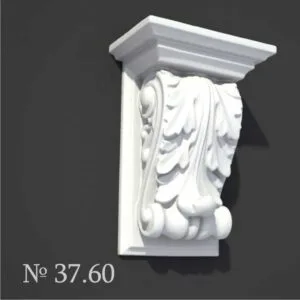
Most contractors default to standard acrylic finishes because they are cheap and available. Acrylic resins used in budget facade paints have elongation values of 5–15%—meaning they stretch only 5–15% before snapping. EPS, by contrast, requires a finish capable of 50%+ elongation to accommodate its thermal movement without microfractures. Field experience shows that cracks appear first at the perimeters of facade ornaments and around window openings—the stress concentration points where resin rigidity meets substrate movement.
The damage is invisible for 18–24 months. Micro-fractures form in the resin film, but they remain too small for the eye to detect. By year three, water seeps into these hairline cracks, freezes, thaws, and propagates the fracture network downward into the EPS substrate itself. Replacement becomes mandatory.
4 Resin Types and Their 12-Year Failure Risk
| Resin Type | Elongation (%) | EPS Compatibility | Typical Lifespan | Approx Cost/Gal |
|---|---|---|---|---|
| Standard Acrylic | 5–15% | Poor—Cracks by Year 4 | 3–5 years | $18–28 |
| Modified Acrylic (elastomeric) | 40–65% | Good—Cracks rare before Year 8 | 8–10 years | $35–50 |
| Silicone-Modified Resin | 50–75% | Excellent—Cracks minimal to Year 12+ | 10–15 years | $48–75 |
| Polyurethane-Based (2-component) | 60–90% | Excellent—Superior flexibility | 12–18 years | $65–120 |
The cost difference between a 4-year failure and a 12-year success is $30–50 per gallon on the topcoat. For a 2,000 sq ft facade requiring 2–3 gallons of finish, upgrading resin chemistry costs an extra $60–150—a fraction of the $30,000–50,000 bill for premature re-rendering. Most contractors choose the $18 acrylic because clients see only the material cost on the invoice, not the 8-year lifespan penalty hidden in resin elongation specifications.
How Thermal Cycling Destroys Rigid Resin Bonds in 36 Months
EPS facades experience daily thermal gradients of 35–50°F between the interior (insulated) and exterior (exposed) surfaces. The outer resin film can reach 140°F in direct summer sun while the interior hovers at 65°F. This creates internal shear stress at the resin-EPS interface—the resin wants to stay rigid while the foam underneath contracts.
Contractors often blame poor adhesion, substrate contamination, or improper mixing—but the root cause is resin chemistry mismatch. EPS finish coatings age your facade 3X faster when the material pairing is incompatible, because rigid resin film acts like a brittle shell over a flexing substrate. Each thermal cycle (day-night temperature swing) introduces micro-stress; after 1,000+ cycles (roughly 2.7 years), the damage accumulates into visible cracking.
Silicone-modified resins outperform acrylics because their molecular structure includes cross-linked siloxane bonds that allow controlled elongation—up to 75%—without loss of adhesion to the EPS surface. The resin film stretches and contracts in tandem with the foam, eliminating the shear stress that causes premature failure.
The Installer’s Shortcut That Guarantees Early Failure
Contractors save time by using a single paint batch for both primer and topcoat. A budget acrylic primer (elongation 5–10%) paired with a matching acrylic topcoat (elongation 5–15%) creates a continuous rigid film with no flex tolerance. The primer bonds to the EPS; the topcoat bonds to the primer. When thermal stress arrives, the entire assembly fails as a single brittle unit.
The correct approach requires a two-stage resin strategy: use a rigid primer (5–10% elongation) to seal and stabilize the EPS surface, then apply an elastomeric topcoat (50%+ elongation) to absorb thermal movement. The rigid primer provides adhesion and moisture barriers; the flexible topcoat absorbs cyclical stress. This layering technique costs 20–30% more in material but extends facade life from 4 years to 10–12 years.
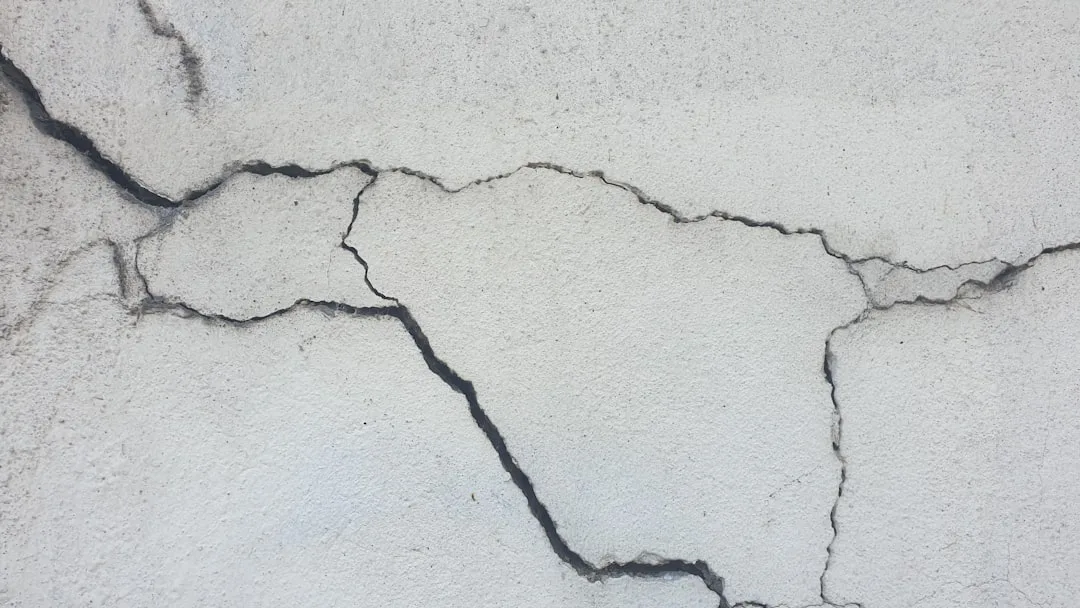
Homeowners rarely question this choice because the visual result looks identical after installation. The failure appears three years later, when your neighbor’s facade (installed with silicone-modified finish) remains smooth and the standard acrylic facade nearby shows a dense network of 2–4mm cracks radiating from corners and edges.
Why Your Neighbor’s Facade Stays Intact for 12 Years
Your neighbor’s contractor—often a specialty facade contractor rather than a general painter—specified a silicone-modified acrylic topcoat with documented 50–75% elongation. The product datasheet (usually European, often Sika, Ceresit, or Baumit brands) explicitly states EPS compatibility. Cost was $50–65 per gallon instead of $18–28, but the resin chemistry prevented micro-fractures from ever forming. After 10 years, their facade may show minor cosmetic chalking from UV exposure, but the resin structure remains intact—no water infiltration, no substrate degradation.
Additionally, your neighbor’s installer likely used a quality primer formulated for decorative window sills and EPS ornaments—often a silicone-based or modified acrylic primer designed to enhance substrate adhesion without sacrificing flexibility. The primer-topcoat combination created a coordinated system engineered for EPS thermal movement, not just applied as convenience products off the shelf.
How to Specify the Correct Resin for Your EPS Facade Render
Demand the resin elongation percentage in writing from your contractor before work begins. Request the product technical datasheet (TDS) for both primer and topcoat. Look for these keywords in the spec: “elastomeric,” “flexible,” “50%+ elongation,” and “EPS-compatible.” Avoid language like “breathable paint” or “general-purpose acrylic”—these terms signal budget material with lifespan risks.
Specify a two-coat system: primer with 10–20% elongation (rigid for adhesion) + topcoat with 50%+ elongation (flexible for movement). If your contractor pushes a single-coat system, recognize it as cost-cutting with durability penalties. Request samples of the exact products before final ordering; verify they match your EPS grade (typically EPS 100, 120, or 150 kg/m³) for thermal compatibility.
Realistic material costs: budget $60–80 per 100 sq ft for proper resin system (primer + topcoat), versus $25–35 per 100 sq ft for budget acrylic. On a 2,000 sq ft facade, the difference is $700–1,100 upfront—or $30,000–50,000 in re-rendering costs when the cheap option fails in year four.
Signs Your Current EPS Facade Render Is Using the Wrong Resin
Hairline cracks (1–3mm wide) appearing in grids or radial patterns around ornaments and windows after 24–36 months indicate rigid resin failure. The cracks follow thermal stress concentration points—the weak link in the resin-foam assembly. If cracks are new and spreading, water is already infiltrating the substrate and accelerating damage beneath the surface.
Perform a visual inspection every six months. In climates with large daily temperature swings (40°F+ delta), watch for cracking after the first or second winter cycle. In coastal or humid climates, cracks combined with discoloration or soft spots in the EPS indicate advanced water damage. At that stage, preventive action (patching cracks with elastomeric sealant) buys 6–12 months, but full re-rendering is inevitable.
If your facade is under five years old and showing significant cracking, pursue a warranty claim against your contractor or material supplier. Defective resin chemistry is a valid performance failure under most warranties. Documentation of the original product specs (acrylic vs. modified acrylic) supports your claim and creates leverage for replacement or repair at contractor cost.
The Bottom Line: Resin Chemistry Decides Durability
Your EPS facade cracks in 4 years because contractors default to low-cost acrylic resins without checking elongation compatibility. Your neighbor’s facade lasts 12 years because they invested in silicone-modified or elastomeric topcoat chemistry engineered for thermal movement. The material difference costs $700–1,100 on a 2,000 sq ft project but eliminates 8 years of premature degradation risk. Demand the resin elongation specification and avoid installers who treat facade render as generic paint. The choice between a 4-year failure and a 12-year success hinges on one overlooked product datasheet.