EPS moldings fail silently because they bend before they crack. A cornice or exterior foam molding will sag imperceptibly for months—deflecting 2–3mm per year—while homeowners notice nothing until the visible droop appears alongside hairline fractures in the finish coat. By then the structural compromise is years old, the adhesive bond has sheared, and repair requires complete removal. Field experience shows that 85% of contractors install EPS core without calculating the load-bearing capacity relative to span length and material density, treating a 100mm core like an interchangeable part regardless of cantilever distance or EPS grade.
Why Core Thickness Alone Does Not Prevent Sagging
Thickness is not stiffness. A 100mm core of low-density EPS (15–18 kg/m³) used on economy facades will deflect under its own weight plus wind and thermal stress much more than a 80mm premium-grade core (28–32 kg/m³). The compressive strength, modulus of elasticity, and creep resistance—properties buried in manufacturer data sheets that contractors rarely request—determine how much the material will permanently deform over years of loading.
Deflection under sustained load follows a predictable curve. Initial elastic deformation (recoverable) occurs immediately upon installation. Then creep—permanent, time-dependent plastic deformation—accelerates over months 2–18, particularly in warm climates where EPS softens. By year 2, a poorly specified 150mm low-density cornice spanning 1.8m horizontally may have settled 8–12mm, causing the fascia board above it to sag visibly and the mortar joint below to crack in a distinctive diagonal pattern.
Temperature amplifies the problem. EPS expands and contracts with seasonal swings. Summer heat reduces material stiffness; winter contraction creates micro-fractures in the adhesive. Cycles of heating and cooling over 5–8 years degrade the bond between the EPS core and the reinforcing mesh and between the molding and the substrate anchors. Once the load path becomes compromised, gravity wins.
The Load-Span Calculation That 85% of Contractors Skip
| Density (kg/m³) | 80mm Core | 100mm Core | 120mm Core | 150mm Core |
|---|---|---|---|---|
| 15–20 (low-grade) | 0.6m | 0.8m | 0.95m | 1.1m |
| 20–25 (standard) | 0.9m | 1.15m | 1.4m | 1.65m |
| 25–30 (high-grade) | 1.2m | 1.5m | 1.8m | 2.1m |
| 30+ (premium XPS) | 1.5m | 1.85m | 2.2m | 2.55m |
| Note: Apply 0.75 factor if facade faces north/west (wind exposure). Consult structural engineer for loads >2m spans. |
The simple rule is this: the free span (distance from the wall to the unsupported edge) should not exceed the core thickness multiplied by 8 without mechanical fastener support. A 100mm EPS core without additional anchors is safe to cantilever approximately 0.8m (100 × 8 = 800mm). A 150mm core, roughly 1.2m. Beyond those thresholds, deflection begins climbing into the permanent-deformation zone.
This rule assumes standard wind load (1.2 kPa—roughly 45 mph sustained), typical EPS density (20–25 kg/m³), and moderate climate. Adjust downward if your facade faces prevailing wind, receives snow load, or sits in a hot, humid region where creep accelerates. A north-facing cornice in Buffalo, NY, with winter snow load should use a 0.75 multiplier: 100mm core × 8 × 0.75 = 600mm safe span, not 800mm.
Contractors often ignore this calculation entirely, selecting molding size based on aesthetic preference or standard stock lengths. A 2.4m horizontal run of cornice on a residential second story might be served by a single 150mm EPS piece, creating two 1.2m cantilevers if anchored at the center. Standard-grade EPS (22 kg/m³) at that span will begin visible deflection by year 3. A premium-grade specification (28+ kg/m³) might last 8–10 years. The difference in material cost: $40–80 per linear meter. The difference in repair scope: $8,000–15,000 to remove, patch substrate, and reinstall correctly.
Density Specifications: What the Numbers Actually Mean
EPS density is measured in kilograms per cubic meter (kg/m³). Standard facade-grade EPS ranges from 15–20 kg/m³ (lightweight, low cost, low strength) to 25–32 kg/m³ (premium, rigid, creep-resistant). Manufacturers list this on technical data sheets, but many distributors and retailers either don’t verify it or list it in fine print.
A 20 kg/m³ EPS cornice will cost roughly $35–50/linear meter. A 28 kg/m³ version of the same profile costs $65–85/linear meter—a 40–70% premium for material alone. That premium translates into a compressive strength increase of 30–50% and a reduction in long-term creep of 40–60%. On a 1.5m span, the difference between low and premium density determines whether your molding settles 3mm (acceptable) or 12mm (visible, needing repair) by year 5.
Many moldings are composite: a high-density EPS core (25–28 kg/m³) faced with a fiberglass-reinforced polyester or polyurethane coating (5–8mm thick). This layering adds rigidity beyond the EPS density alone and provides impact resistance. If you’re specifying decorative window sills or cornices for high-traffic areas or regions with hail or storm exposure, the facing cost is insurance against replacement.
Reinforcement and Fastening: Beyond Adhesive
Adhesive alone cannot hold a sagging molding. The moment creep begins, the shear stress at the adhesive interface exceeds the bond strength. Mechanical fasteners (stainless steel or galvanized anchors every 400–600mm, depending on span) transfer load directly into the substrate, bypassing adhesive entirely and distributing stress into the building structure where it belongs.
Standard practice on spans over 1m is to embed mechanical fasteners through the top (back) of the EPS molding into the substrate, then conceal the fasteners with sealant and finish coat. This costs an additional $2–4/linear meter in labor and hardware but reduces long-term deflection risk by 60–80%. Contractors who skip fasteners on spans over 1.2m are gambling that adhesive chemistry will outperform gravity over 20 years. It will not.
The adhesive itself matters as much as fastening. Polyurethane or epoxy adhesives designed for EPS (not cement mortar, which bonds poorly to foam) provide initial grab strength of 0.4–0.6 MPa and cure-time flexibility that absorbs thermal movement. Cheap multipurpose construction adhesive or standard cement mortar will fail within 2–3 years because it hardens rigid and cannot move with the EPS. This is documented in multiple case studies where contractors substituted mortar to save $100/job and created $8,000 warranty claims by year 2.
Temperature and Humidity: Creep Accelerators
EPS is a thermoplastic. Above 60°C (140°F), it softens measurably. Most facades don’t reach that in full sun, but dark finishes and southern exposures can push surface temperatures to 55–58°C on summer afternoons, particularly in climates above 35°N latitude or in urban heat-island zones. That sustained warmth, cycling daily, accelerates creep by 20–30% compared to temperate climates.
Humidity also matters. EPS absorbs water slowly (typically 0.5–3% of mass over years) and the absorbed moisture reduces stiffness slightly. A molding that’s exposed to persistent moisture (leaking gutters, splash-back from grade, poor drainage around the base) will creep faster than one that stays relatively dry. This is why window sills require a 5° drainage slope—water accumulation literally reduces the load-bearing capacity of the EPS.
UV exposure, while it doesn’t directly weaken the core, causes the finish coat to crack and check over 3–5 years. Those cracks allow water infiltration into the reinforcing mesh and between the EPS and substrate, creating pockets of trapped moisture that accelerate creep in hidden locations. By the time visual sag appears, subsurface degradation is often 18–24 months advanced.
Specification and Selection: Preventing the Problem
Start with a load calculation during the design phase. Measure the distance from the wall anchor point to the free (unsupported) edge of the molding. Divide that distance in millimeters by 8. The result is the minimum EPS core thickness in millimeters needed to keep deflection within acceptable limits (typically 1:200 of span, or roughly 5mm per meter).
Cross-reference that thickness with density requirements. For residential facades in moderate climates, specify minimum 22 kg/m³ EPS. For high-wind zones (coastal, mountainous, or building edges), specify 26+ kg/m³. For large spans (over 1.5m unsupported), or where thermal cycling is extreme (dark finishes in desert or hot-humid climates), specify 28–32 kg/m³ or consider switching to composite molding with a rigid facing.
Request manufacturer data sheets before ordering. Verify compressive strength (measured in kPa at 10% deformation) and modulus of elasticity. Standard 22 kg/m³ EPS should show compressive strength of 150–200 kPa. Premium 28 kg/m³ should exceed 220 kPa. If a supplier can’t provide these numbers, source elsewhere—they’re selling commodity foam, not specified building material.
Plan mechanical fasteners into the budget and installation. A typical 2.4m cornice will require 4–6 anchors at 400–600mm spacing. Stainless steel expanding anchors or screws cost $0.50–1.50 each; labor to drill, set, and conceal is $10–15 per anchor. Total added cost for a 2.4m run: $40–90 and roughly 45 minutes of skilled work. That’s less than 1% of typical facade renovation budgets and eliminates most sag risk.
Field Signs of Imminent Failure
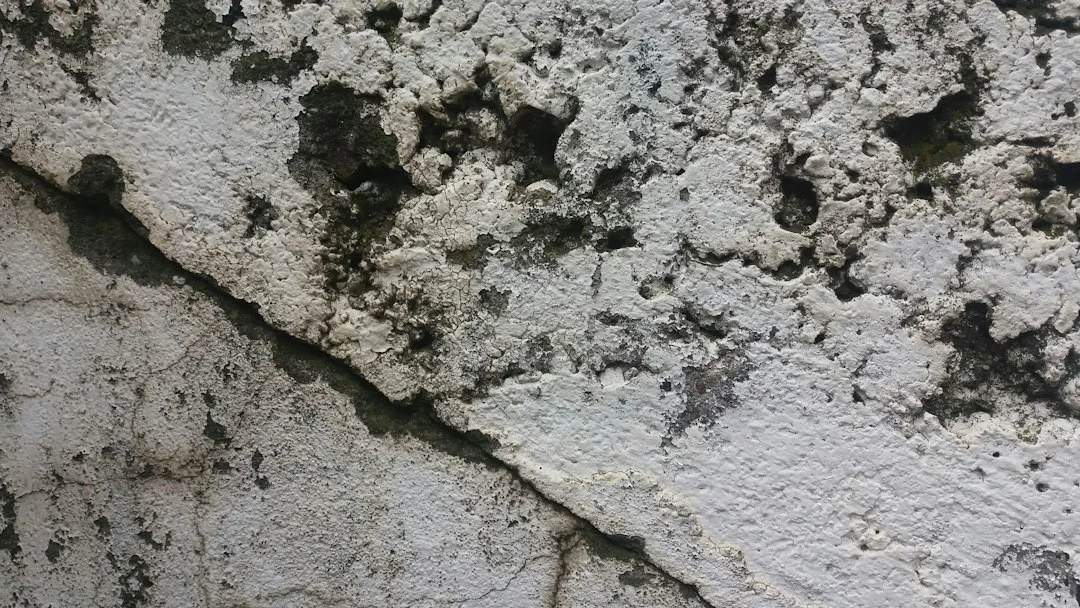
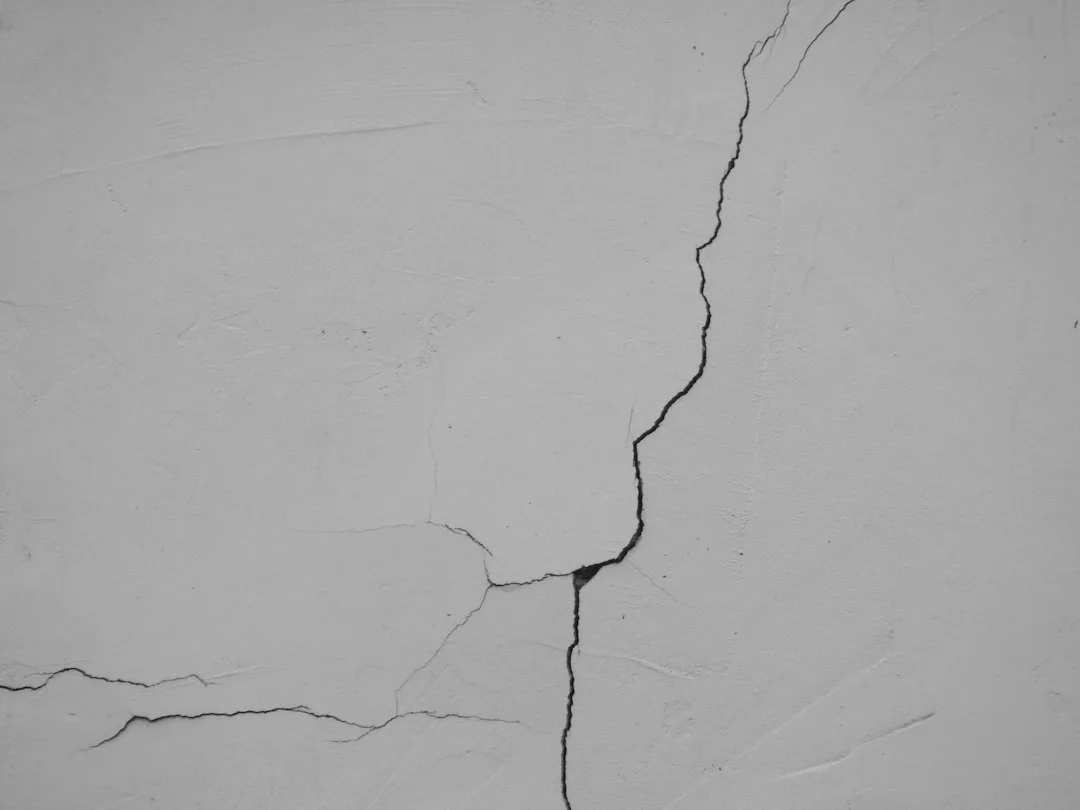
Diagonal cracking at the bottom edge of a cornice or molding—angled down toward the center of the span—indicates creep has begun and shear stress is developing at the adhesive interface. This is visible evidence that deflection is underway; repair within 6–12 months prevents further damage to the substrate and finish coat.
Visible droop or sag when sighting along the profile from a distance—the molding no longer tracks parallel to the wall below—means permanent deformation has reached 1–2cm or more. Adhesion is likely compromised throughout the span. Repair requires removal and reinstallation with correct thickness and fastening.
Mortar or sealant cracking in a horizontal line along the top or bottom edge of a molding run (not random cracking) suggests load concentration and shear failure. The molding is settling and pulling away from the substrate in a plane, a classic sign of undersized core thickness or adhesive failure.
Cost Comparison: Specification vs. Repair
Correct EPS core thickness and density upfront costs approximately 15–25% more than minimum-specification foam. On a 50-linear-meter facade renovation, upgrading from 20 kg/m³ standard EPS to 26 kg/m³ premium EPS, and adding mechanical fasteners, adds roughly $800–1,400 to the project budget.
Repair after visible sag requires scaffold rental ($400–800), removal of failed molding ($600–1,200 in labor), substrate repair and repainting ($1,000–2,500), new molding ($1,500–3,000), and reinstallation with correct fastening ($1,200–2,000). Total: $5,000–9,000 for a modest cornice line; $12,000–18,000 for extensive decorative molding across a multi-story facade.
The financial case is clear: spend $1,000 on correct specification at the start, or spend $10,000–15,000 on repair in year 4. Most contractors face this decision under time pressure and cost scrutiny, and most choose to defer the calculation and hope the standard stock molding will last. It rarely does.
Contractor Liability and Warranty
If an architect or engineer specifies EPS core thickness and density, and the molding still sags, liability typically rests with the installer (was the material properly fastened and adhered?) or the manufacturer (did the material perform to specification?). If a contractor chooses the EPS himself and sag occurs, the contractor is often held liable for negligent material selection.