A contractor quotes you $8,000 for 100 meters of EPS cornice with 15 kg/m³ foam; another bids $9,200 for the same run in 20 kg/m³. You assume the difference is markup. It is not—it is the difference between a facade that cracks within 5 years and one that outlasts the stucco finish. EPS density is not a cosmetic choice; it determines compression resistance, water absorption, and freeze-thaw survival in ways most contractors never explain.
Why 15 kg/m³ EPS Cannot Survive Winter Cycles
Low-density EPS at 15 kg/m³ has a compressive strength of 50–80 kPa—less than the force exerted by 2 centimeters of stucco and reinforcing mesh. When free water or ice forms inside the foam’s open cells during winter, it expands approximately 9% upon freezing, generating internal stress that the material cannot absorb. In climates with 15–25 freeze-thaw cycles per season, this internal fracturing accumulates.
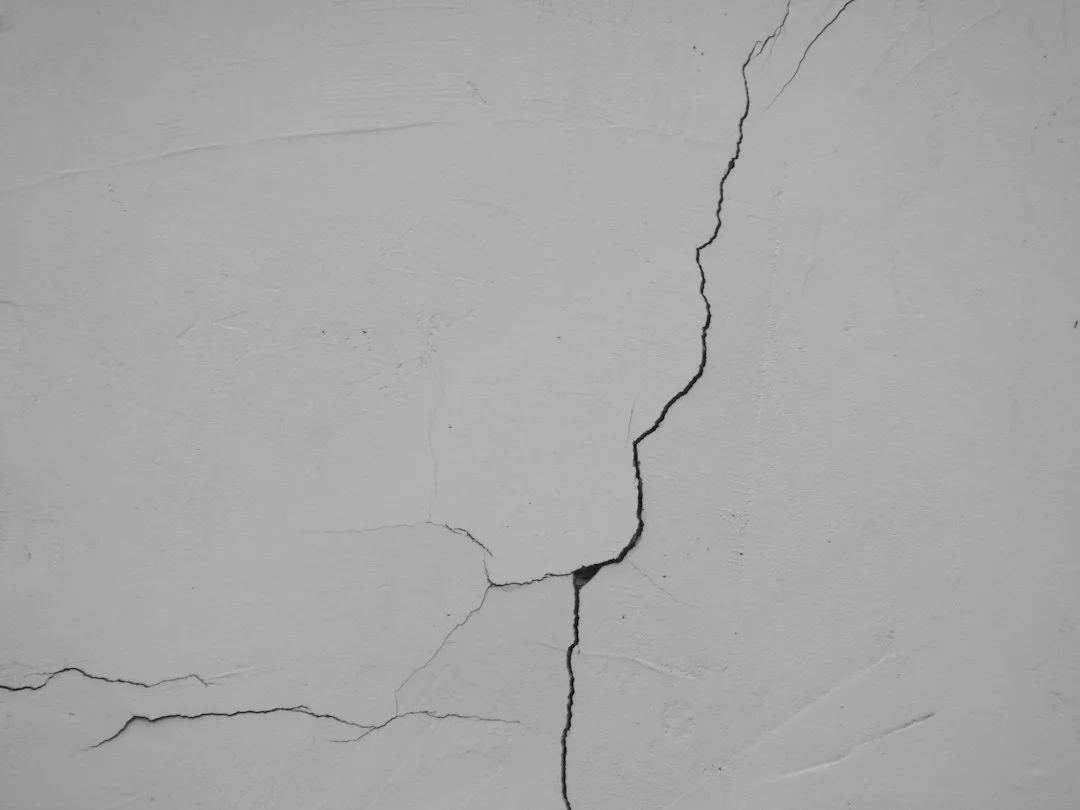
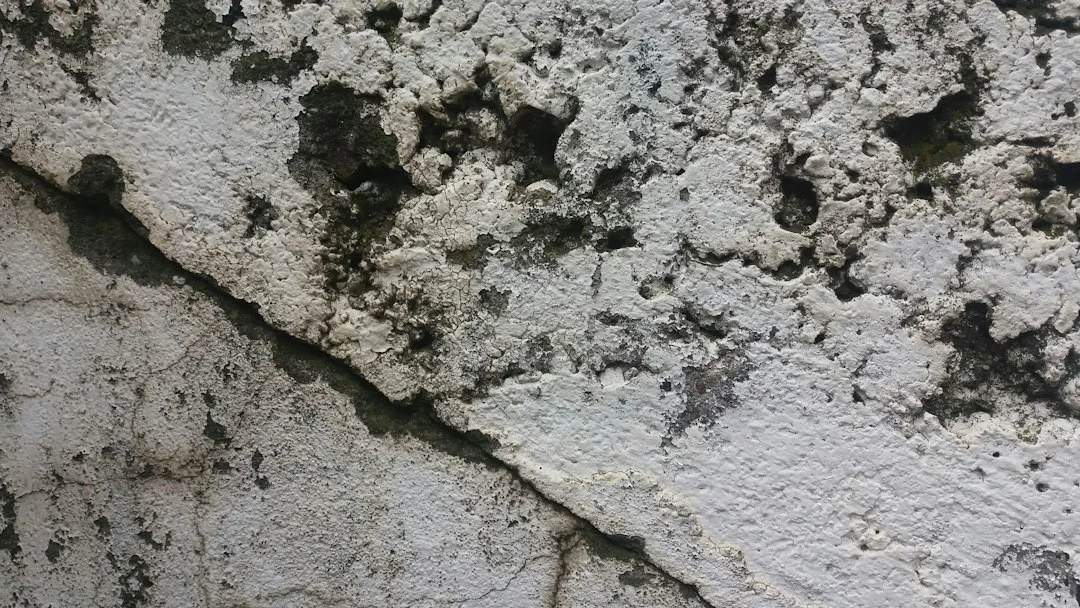
Field observation across North American and Northern European projects shows that 15 kg/m³ EPS moldings develop visible hairline cracks within the first 2–3 winters, particularly in horizontal runs like cornices and sills where water pools. By year 5, these microcracks propagate into the stucco base coat, allowing moisture to bypass the adhesive layer entirely. At that point, repair costs $150–$300 per linear meter, plus labor to remove and reset ornaments.
The reason contractors specify 15 kg/m³ is simple: it costs $1.50–$2.00 less per meter than 20 kg/m³, and the project owner sees only the initial bid. The cracking occurs after the warranty period (typically 12–24 months) or after the contractor has moved on to the next job. This is a structural shell game that building owners pay for three times: at purchase, at repair, and at replacement.
How 20 kg/m³ Resists Freeze-Thaw and Compression Over 25 Years
| EPS Density (kg/m³) | Compressive Strength (kPa) | Thermal Conductivity (W/mK) | Freeze-Thaw Cycles Survived | Estimated 25-Year Total Cost per Linear Meter |
|---|---|---|---|---|
| 15 (Economy) | 50–80 | 0.038–0.040 | 8–12 (fails) | $240–280 |
| 18 (Standard) | 90–120 | 0.037–0.039 | 18–22 (borderline) | $310–350 |
| 20 (Recommended) | 130–160 | 0.036–0.038 | 25+ (passes) | $360–400 |
| 25 (Premium) | 180–220 | 0.034–0.036 | 40+ (exceeds) | $480–540 |
EPS at 20 kg/m³ achieves compressive strength of 130–160 kPa, a 2× improvement over 15 kg/m³. This higher density closes the foam’s cell structure, reducing water penetration by roughly 40%. More critically, the solid mass between cells absorbs the expansion force of frozen water without transmitting stress across the entire profile.
Freeze-thaw resistance is measured in ASTM C1184 or EN 13163 cycles: samples are saturated, frozen to −15°C, and thawed repeatedly. A 20 kg/m³ EPS typically passes 25–30 cycles before any visible damage; 15 kg/m³ fails at 8–12 cycles. In zones with winters lasting 4–5 months and daily temperature swings, a season equals 20–25 cycles. At 20 kg/m³, a facade can endure 12–15 seasons of genuine freeze-thaw before cracking risk becomes significant. Many stucco finishes last 20–25 years; matching the EPS density to the same lifespan is economically rational.
Thermal expansion also favors 20 kg/m³. The denser foam expands less under solar heat (coefficient of linear expansion ~60–80 µm/m·K), reducing the risk of separation cracks at joints. EPS facade overhangs already expand 2 cm in 2 years under standard conditions; lower density accelerates this and increases shear stress at fastener points, causing corner detachment and moisture infiltration.
Material Cost Versus Long-Term Repair Reality
On a 100-meter cornice installation, the material cost delta is roughly $150–$200. Labor to install 15 kg/m³ and 20 kg/m³ is identical. The installed cost difference is $1.50–$2.00 per meter, or 15–18% premium for 20 kg/m³. Many contractors absorb this into their margin rather than pass it to the client, treating it as cost of doing business correctly.
Repair costs tell the real story. A single fracture zone in EPS molding requires removal, disposal ($50–$100), fabrication of a replacement piece or patch ($80–$120), and reinstallation with fresh adhesive and fasteners ($100–$150). A typical 100-meter facade with 15 kg/m³ will develop 8–15 fracture zones within 5–8 years, totaling $1,200–$2,500 in repair labor alone. Replacement of the entire molding run runs $4,000–$6,000. Over 25 years, specifying 15 kg/m³ costs the owner an additional $3,000–$5,000 in maintenance, vastly exceeding the initial $150–$200 material savings.
Why 5 mm more EPS thickness costs 10 times more in facade repairs when you account for water infiltration, mold growth, and structural compromise. Density follows the same principle: the upfront premium prevents exponential repair costs downstream.