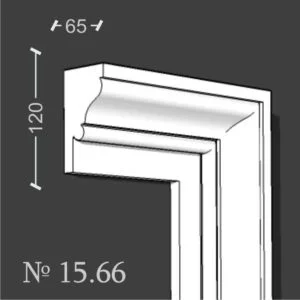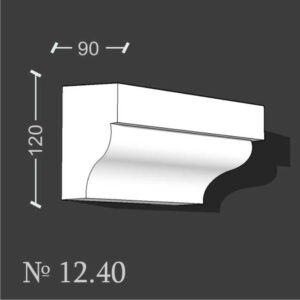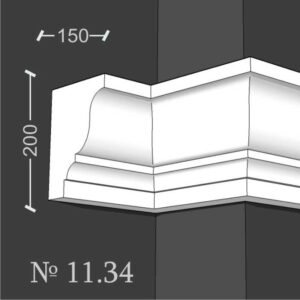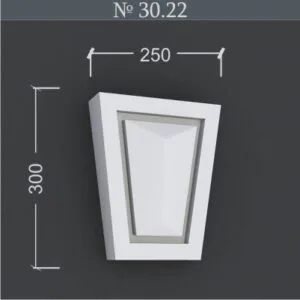
EPS moldings on facades typically crack silently in winter without proper expansion joints—a failure pattern that compounds into structural damage costing $8,000–$15,000 within 3–5 years. Contractors routinely omit these joints because they interrupt the visual flow of trim and add labor time, but the thermal forces that stress the foam are unavoidable and relentless. A simple calculation shows why: EPS expands and contracts roughly 0.4mm per meter of molding length for every 10°C temperature change, which translates to 6–12mm of movement over a single heating season in moderate climates and up to 15mm in regions with temperature swings exceeding 60°C between winter and summer.
How Thermal Movement Destroys EPS Facade Moldings in 18 Months
Polystyrene foam exhibits higher thermal expansion rates than the base substrate and finishing coat it sits on, creating a mechanical mismatch that generates stress at predictable failure points. When an EPS cornice or EPS quoin corner is installed without joints, winter contraction pulls the foam away from its adhesive bed while the rigid finish coat (typically polymeric or acrylic) resists that movement. This creates tension in the weakest planes—usually at edges, returns, and where the foam transitions from thick sections to thin ones.
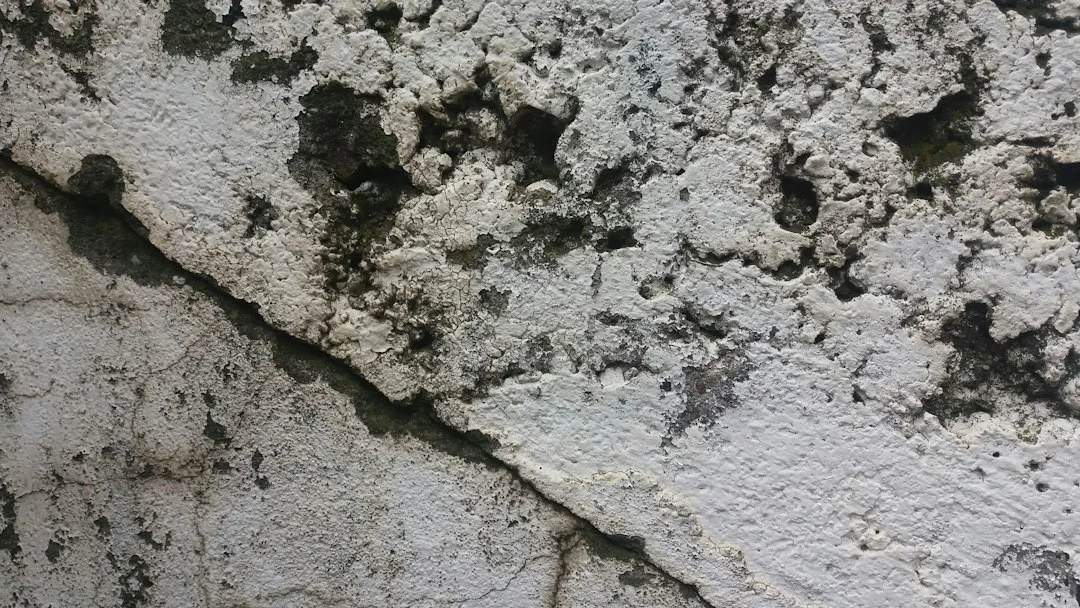
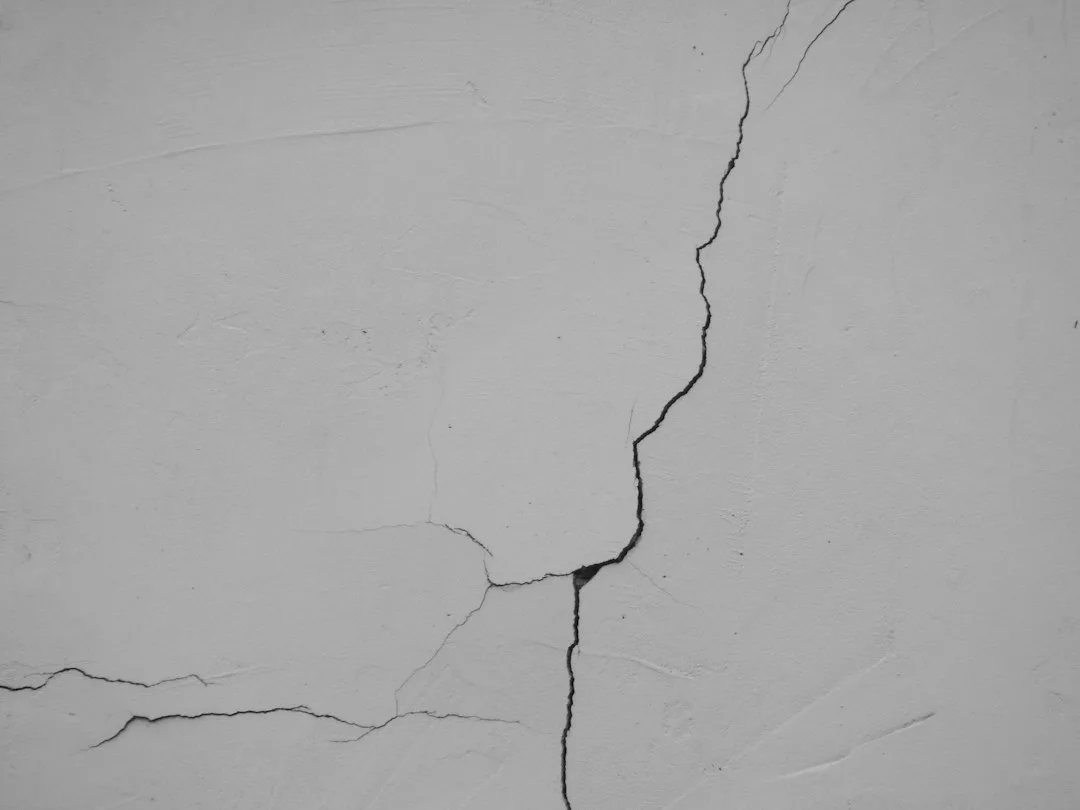
Field observation across thousands of facade installations shows that cracking begins in November or December when outdoor temperatures drop below 5°C, initially as hairline stress fractures along horizontal runs. By February, after multiple freeze-thaw cycles, these fractures become visible cracks 0.5–2mm wide that penetrate the finish coat and expose the foam core. Water enters through these cracks during spring rains or snow melt, wicking into the foam by capillary action and saturating the insulation layer beneath the molding, which triggers the swelling pattern described in earlier research on water infiltration and expansion.
The mechanism is strictly mechanical: polystyrene contracts an average of 0.15–0.25mm per linear meter when temperature drops 10°C, and expands by a similar amount when heated. A 2-meter horizontal cornice experiences 6–10mm of cumulative movement over a typical winter-to-summer cycle. Without expansion joints allowing this movement, the stress concentrates at fixed points, fracturing the brittle finish coat and foam beneath.
| Molding Type | Joint Width (mm) | Temperature Range | Annual Thermal Movement | Cost per Linear Meter |
|---|---|---|---|---|
| Horizontal cornice | 8–12 | −20°C to +40°C | 6–8mm | $18–$28 |
| Vertical pilaster strip | 6–10 | −20°C to +35°C | 4–6mm | $12–$20 |
| Window sill edge | 10–15 | −25°C to +45°C | 8–10mm | $22–$35 |
| Quoin corner | 5–8 | −15°C to +40°C | 3–5mm | $15–$25 |
| Decorative keystone | 4–6 | −10°C to +35°C | 2–4mm | $10–$18 |
| Base trim band | 10–14 | −25°C to +50°C | 10–12mm | $20–$32 |
Why Contractors Hide Expansion Joints and What That Costs You
Most facade installers view expansion joints as a technical requirement that detracts from the aesthetic continuity of trim lines. Joints interrupt the visual flow, require careful masking and finishing, and add 15–25 minutes of labor per joint at $60–$85 per hour, pushing the cost of a properly jointed 40-meter facade cornice from $800 to $1,200. This added cost is rarely disclosed upfront because the damage it prevents won’t appear until months after installation, at which point the installer’s warranty period has expired or the homeowner has already paid the final invoice.
The financial incentive to skip joints runs in both directions: contractors avoid labor expense and liability, while suppliers of low-density EPS (15 kg/m³ and below) remain profitable because inadequately installed product fails sooner and generates repair revenue. A cracked, water-damaged facade section requires removal, new insulation backing, re-installation of the molding, and finish restoration—a repair cycle that costs 10–20 times more than the cost of proper joint installation upfront.