The wrong finish coat will age your EPS facade ornaments in four years instead of fifteen, and most contractors don’t know which finish performs because they follow habit instead of vapor-transmission science. Field experience across renovation sites shows that standard acrylic latex finishes—chosen for cost and ease of application—trap water vapor inside the foam, causing the substrate to soften and fail from within while the surface coating appears intact. By year three, ornaments become spongy, colors fade unevenly, and structural capacity drops enough to trigger sagging under thermal expansion.
Why Acrylic Finishes Destroy EPS Ornaments in Half the Time
Low-permeability finishes create a vapor barrier that forces moisture to accumulate inside the foam. EPS polystyrene is hygroscopic—it absorbs water naturally from humid air—and when that moisture cannot escape through the topcoat, it degrades the closed-cell foam structure. The polystyrene beads lose adhesion to each other as water disrupts the binding agents, causing the material to compress and soften even though the exterior finish coat appears sound.
Standard acrylic-latex finishes have vapor permeability ratings (μ values) between 25 and 50, meaning they resist water-vapor transmission significantly. Contractors apply these because they cost €8–12 per square meter, dry in 2–3 hours, and require no primer on EPS. The problem emerges after 12–18 months of European seasonal moisture cycling: interior foam degradation accelerates, exterior finish begins to chalk and lose adhesion, and by year four ornament sections have lost 30–40% of their compressive strength.
Research-based performance data from ETICS manufacturers confirms that foam fails structurally when moisture content exceeds 3–5% by weight. Low-permeability finishes push moisture accumulation rates to 4–6% within 36–48 months, especially on north-facing ornaments and cornice sections where condensation occurs regularly. Once that threshold passes, ornament weight increases (waterlogged foam weighs significantly more), and as discussed in field studies on how EPS moldings get heavier when wet, structural failure becomes inevitable unless the finish is immediately replaced.
The 12–15 Year Finish: Silicate Coatings and Vapor Science
| Finish Type | Vapor Permeability (μ) | Expected Lifespan | Failure Mode | Material Cost per m² |
|---|---|---|---|---|
| Acrylic-based latex (standard) | 25–50 | 4–6 years | Moisture trapping, foam softening | €8–12 |
| Silicone-modified acrylic | 8–15 | 8–10 years | Micro-cracking, gradual loss | €14–18 |
| Silicate (mineral-based) | 2–5 | 12–15 years | Minimal substrate bond failure | €16–22 |
| Polyurethane topcoat (rigid) | 35–80 | 3–5 years | Peeling, water infiltration | €10–14 |
| Elastomeric acrylic | 15–25 | 7–8 years | Bridging failure, algae growth | €12–16 |
Mineral-based silicate finishes deliver 12–15 year lifespans on EPS ornaments because they have vapor permeability below 5 μ while allowing free water-vapor escape. Silicates bond chemically to substrate surfaces through a silicification process rather than creating an impermeable physical seal. This means water vapor from inside the foam can still diffuse outward, but liquid water and UV cannot penetrate inward.
Silicate finishes cost €16–22 per square meter and require specific application protocols: the foam must be slightly dampened, primer application is mandatory (€3–5/m²), and topcoat must cure 7–10 days before exposure to rain. Because these finishes are alkaline and mineral-based, they resist algae and mold growth far better than organic acrylic systems—exterior ornaments stay visibly cleaner for longer without chemical cleaning interventions.
The trade-off is application difficulty. Silicates require trained installers and cannot be applied below 5°C or in direct rain. Most contractors resist them because standard acrylic finishes feel familiar, and the cost premium of €6–10/m² appears significant on small ornament projects. However, the labor cost to replace a failed acrylic finish and re-prime degraded foam (€40–60/m² total) after eight years vastly exceeds the initial material upgrade on silicate systems.
Detecting Failed Finish Before Foam Damage Becomes Structural
Visual inspection at 18–24 months reveals acrylic-finish failure patterns. Press your finger firmly on ornament surfaces: if the foam deforms and does not spring back, moisture saturation has begun. Chalking and color fading on acrylic-finished ornaments indicate surface degradation, but soft or spongy substrate underneath indicates internal foam failure is already present.
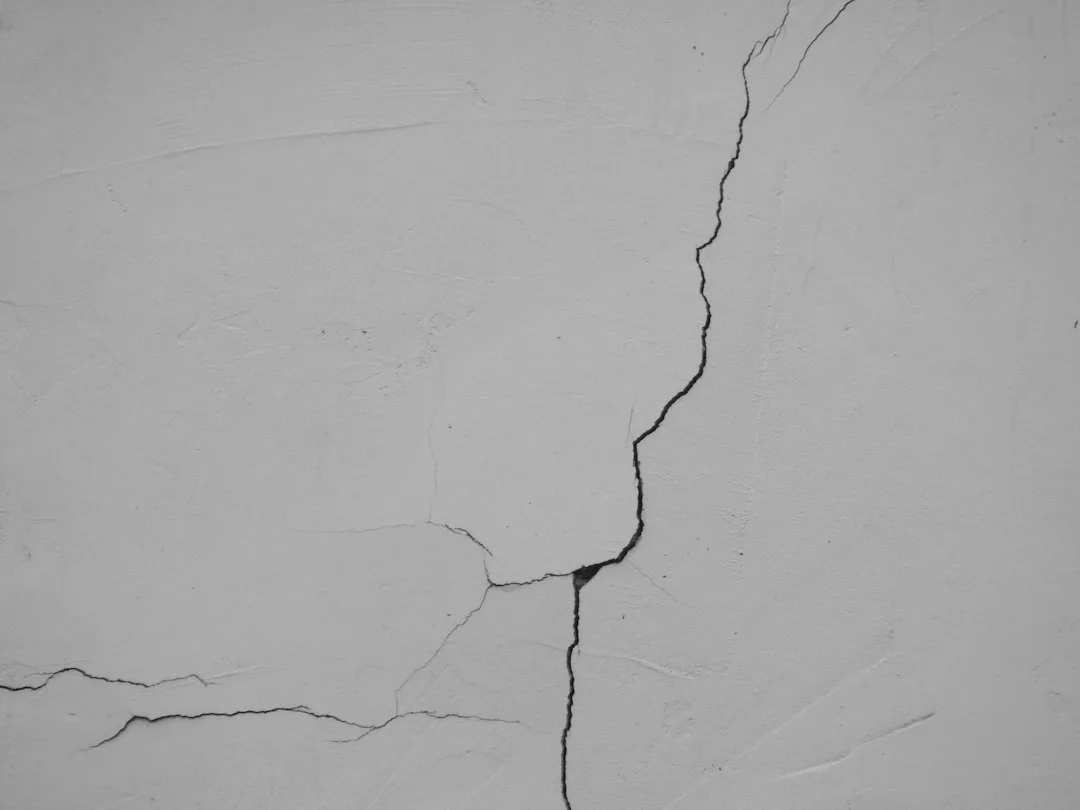
Cracks radiating from ornament edges and corners suggest freeze-thaw cycling combined with vapor-trap failure. Water frozen inside the foam during winter expands and splits the weakened substrate; spring thaw drains the water but the structural damage persists. X-cracks appearing in EPS corners after 18 months often indicate finish-coat vapor incompatibility rather than installation depth errors alone.
Professional moisture measurement (hygrometer readings inside foam samples) costs €150–300 but confirms whether replacement is urgent. If interior moisture exceeds 4% by weight, substrate replacement cannot be avoided—attempting to recoat without removing the degraded foam will only trap more water and accelerate failure further.
Choosing Finish Systems for 12+ Year Performance
Silicate-based finishes are the only realistic choice for EPS ornaments in humid climates or shaded exposures. Elastomeric acrylics (vapor permeability 15–25 μ) offer a middle ground, delivering 7–9 year lifespans at €12–16/m², but still underperform silicates significantly. Polyurethane rigid topcoats should be avoided entirely on EPS—their vapor permeability ranges 35–80 μ and peeling occurs within 3–5 years as the adhesion layer fails.
Installation technique matters as much as product selection. Substrate must be clean, dry (moisture content below 1%), and free of dust before primer application. Facade ornaments from reputable suppliers like Artfasad are manufactured with pre-sanded surfaces that accept finish coats more reliably than rough-cut foam, reducing primer bleed and improving topcoat uniformity. Two-coat minimum is mandatory: primer (0.3–0.4 mm) plus topcoat (0.5–0.6 mm total thickness across both coats).
Cost analysis over 15 years shows silicate systems reduce total lifecycle expense despite higher material cost. Acrylic systems require full recoating at eight years (labor €30–40/m², materials €8–12/m²). Silicate systems often need only minor touch-up or sealing after 12–14 years. Over a 500 m² ornament project, the acrylic recoating cycle costs €19,000–26,000 in labor and materials; silicate systems cost €24,000 upfront but avoid the eight-year recoat cycle entirely.
Specification and Contractor Accountability
Specify finish systems in writing on all renovation contracts. State vapor permeability requirements (minimum 5 μ for new projects), substrate preparation standards, and expected lifespan. Many contractors will resist silicate specifications because they require training and slower cure times, but insisting on this specification protects the ornament investment.
Request material data sheets (TDS) and safety data sheets (SDS) before work begins. European manufacturers like Caparol and Sakret publish full vapor-permeability data; if your contractor cannot provide it, the finish system is likely unsuitable for EPS. Inspection during application should verify two-coat coverage and proper curing intervals between primer and topcoat.
Performance guarantees should be contractual. Reputable contractors will warrant silicate-finished EPS ornaments for 10–12 years against finish failure, peeling, and excessive color fading. Acrylic-finish guarantees rarely exceed 5 years—a clear signal of known lifespan limitations. If a contractor offers 10-year acrylic guarantee, verify whether they are including scheduled recoating within that period.
Real-World Cost Examples
A typical residential facade with 80 m² of EPS exterior cornices, window surrounds, and keystones costs approximately €640–960 to finish with acrylic (€8–12/m²). After eight years, full recoating costs €2,400–3,200 in labor plus €640–960 materials. Total 15-year cost: €3,640–4,160.
The same ornament project finished with silicate system costs €1,280–1,760 upfront (€16–22/m²). Minor touch-up at year 12 runs €400–600. Total 15-year cost: €1,680–2,360. Savings exceed €1,960–1,800 while eliminating major facade disruption at the eight-year mark and ensuring ornament integrity throughout the warranty period.
Commercial projects with 500+ m² of ornaments see cost savings of €15,000–25,000 when silicate systems replace acrylic from the start. This is not premium spending—it is cost-effective lifecycle management that protects both the aesthetic investment and the structural reliability of decorative facade elements.