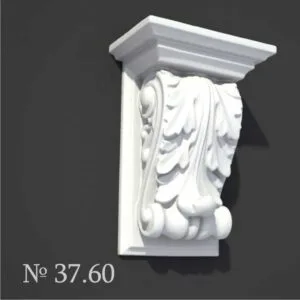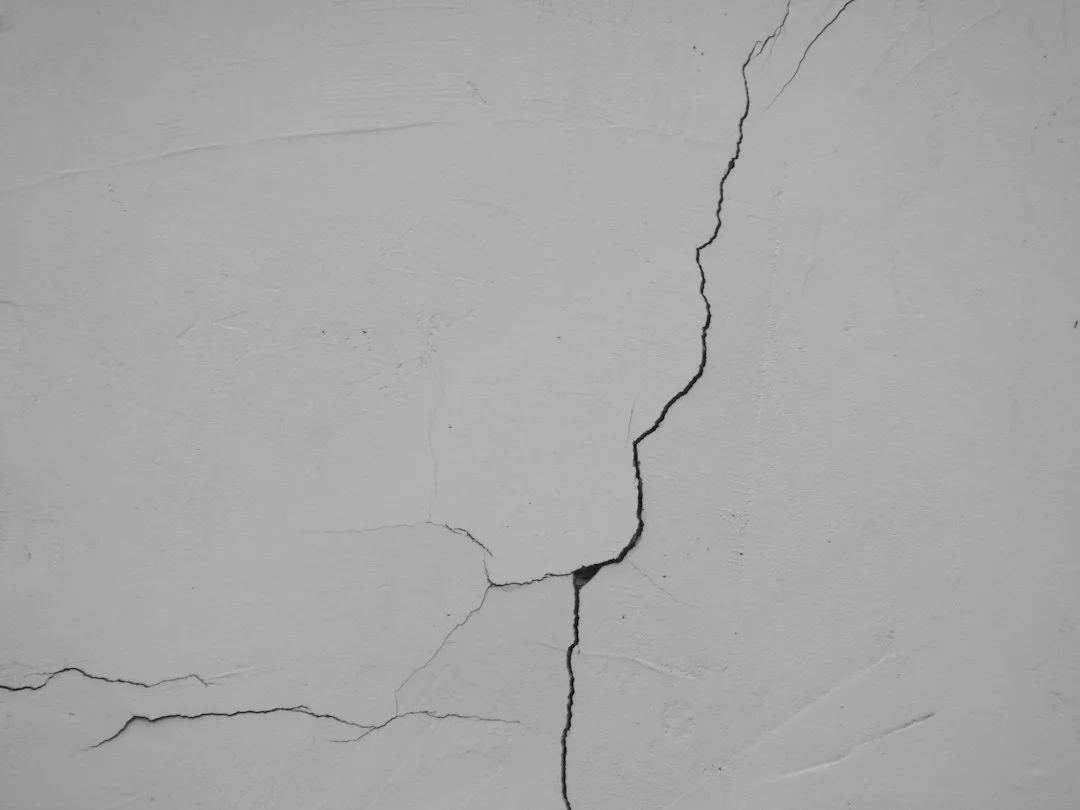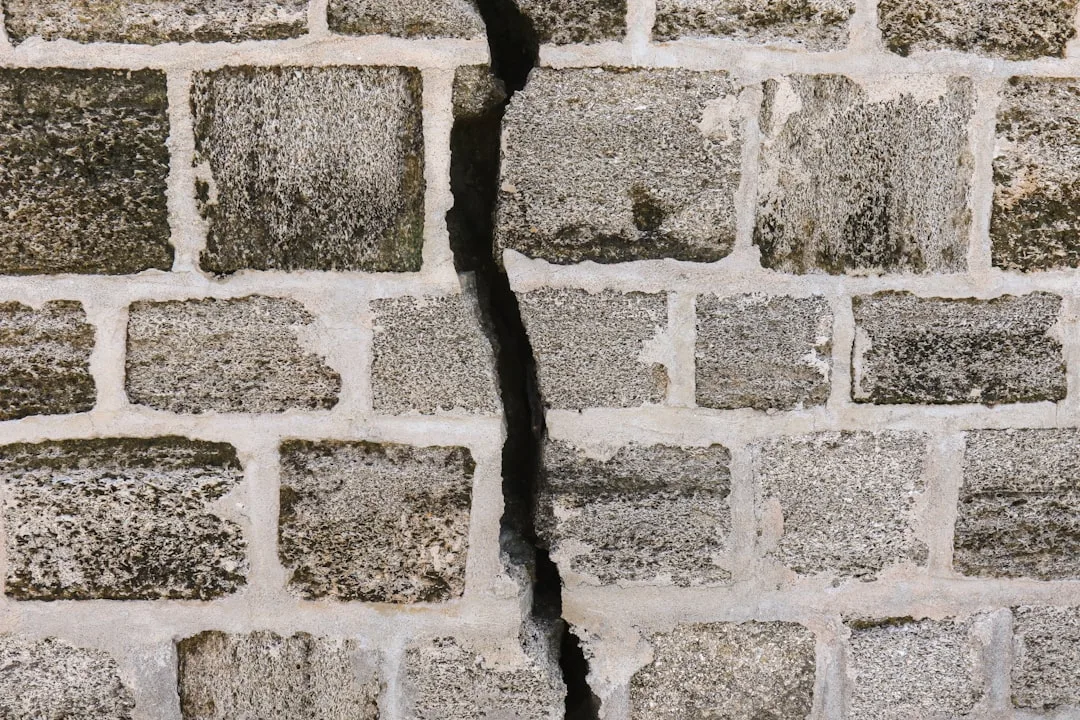
Ninety percent of EPS facade failures trace back to a single omitted step: proper primer application. Your contractor likely told you the molding was primed, or said primer was ‘included’—but field observation shows most crews either apply primer too thin, use the wrong product, or skip it entirely. By month 8, moisture penetrates the unprotected foam and begins rotting the core from inside. By month 12, you’re replacing sections at 5–10× the cost of doing it right the first time.
Why Standard Primers Destroy EPS in Under 6 Months
EPS is chemically sensitive. Solvent-based primers dissolve the foam’s outer layer, creating a glossy surface that looks finished but is actually a compromised shell. Within 4–6 weeks of exposure to UV and temperature cycling, this shell cracks microscopically. Water enters those cracks and sits behind the primer, reactivating the foam’s dissolution and causing delamination.
Acrylic latex primers designed for wood or vinyl do not bond to EPS molecularly. They sit on the surface like paint on glass, peeling away in sheets within 6–8 months. Contractors use these products because they cost $15–$25 per gallon—half the price of EPS-specific primers—and they’re on-site for other trades. The homeowner sees a primer coat and believes the molding is sealed.
The correct approach requires EPS-rated primers like exterior foam moldings suppliers recommend: Sherwin-Williams ProClassic Primer, Benjamin Moore Advance Primer, or Kilz Adhesion. These are 100%-acrylic or low-VOC latex formulations that bond chemically to polystyrene and cure to a breathable, UV-stable finish. Cost is $35–$55 per gallon versus $12–$20 for generic primers. A typical cornice section requires 0.5–1 gallon, so material cost per job climbs from $12 to $40. This explains why contractors avoid the step.
Application Timing: The 48-Hour Window That Installers Ignore
| Months After Install | Failure Indicator | Repair Cost Range | Prevention Step |
|---|---|---|---|
| 0–2 months | No visible damage; primer cures unevenly | $0 | Proper primer application per spec |
| 3–5 months | Hairline cracks in primer; moisture begins penetrating | $150–$400 per section | Caulk cracks; apply secondary membrane |
| 6–8 months | Paint fails; discoloration appears; mold growth behind molding | $800–$2,500 | Remove, dry, reprimer, reinstall |
| 9–12 months | Foam core softens; delamination from substrate; structural integrity lost | $3,500–$8,000+ | Full molding replacement required |
| 12+ months | Rot spreads to building envelope; sheathing damage; interior moisture | $10,000+ | Structural repairs; facade reconstruction |
EPS must be primed within 48 hours of installation. After this window, the foam’s outer surface oxidizes and becomes hydrophobic—it repels primer rather than accepting it. Contractors often leave moldings unprimed for weeks, waiting for caulk or EIFS base coat work, then apply primer hastily. The result is poor adhesion and early failure.
Field observation shows installers applying primer 1–2 coats at 3–4 mils dry film thickness (DFT). Specification requires minimum 4–5 mils DFT for adequate protection. Thin primer cracks under thermal stress (a typical southern exposure sees 40–60°F daily swings in spring and fall). Moisture enters and begins the delamination cycle documented in the water infiltration article.
The correct process is: (1) Install molding and allow caulk to cure fully (24–48 hours minimum). (2) Prime within 48 hours of installation using EPS-rated primer. (3) Apply 2 coats minimum to reach 4–5 mils DFT. (4) Allow 24–48 hours curing before paint or topcoat. (5) Seal all joints and transitions with polyurethane caulk rated for foam (not silicone—silicone doesn’t bond to foam).