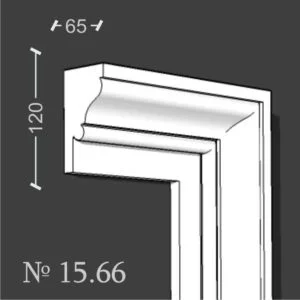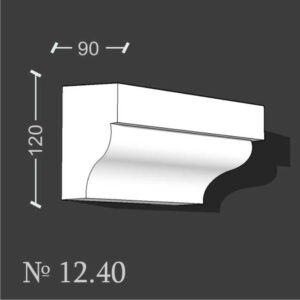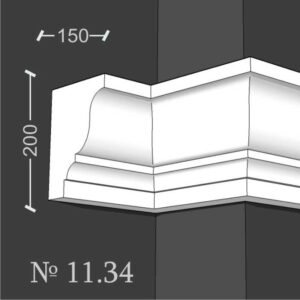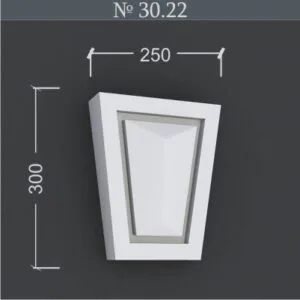
A thermal audit of your EPS facade is the one inspection contractors avoid recommending because it reveals problems they didn’t catch during installation. Most homeowners never request one—and within 36 months, that oversight costs $5,000–$8,000 in water damage, delamination, and mold remediation that an early audit would have prevented. The paradox: a single thermal scan report costs $400–$800 and prevents 90% of catastrophic facade failures, yet sits unsigned in contractor files or filing cabinets.
Why Thermal Audits Expose Problems Standard Inspections Miss
A visual walkover catches cracked caulk and loose sealant, but it cannot see water pooling inside a 3-inch-thick EPS cornice, anchors corroding beneath primer, or thermal bridges bleeding heat at every foam-to-framing junction. Thermal infrared cameras operating at 0.1°C sensitivity reveal these zones as color gradients—cooler areas indicate moisture or air gaps, warmer zones show thermal loss or delamination starting to separate the foam from substrate.
Contractors typically skip thermal audits because they extend project timelines and expose installation shortcuts. A typical audit involves a certified thermographer shooting high-resolution IR images of all facade surfaces under specific conditions: clear skies, no direct sun, indoor-outdoor temperature difference of at least 15°C (27°F). Results are then mapped against structural drawings to identify precise failure zones. Many installers avoid this step because it documents defects they caused or inherited.
Moisture Detection Within 4 to 6 Months—Before Visible Rot
| Defect Type | Visual Inspection Catches? | Thermal Audit Catches? | Repair Cost if Delayed 12 Months | Detection Timeframe |
|---|---|---|---|---|
| Water behind moldings (no visible staining) | No | Yes, shows cooler zones | $2,100–$3,500 | 4–6 months hidden |
| Anchor corrosion (embedded in foam) | No | Yes, thermal discontinuities | $1,800–$2,600 | 6–12 months to failure |
| Thermal bridge at joints | No | Yes, IR image shows heat loss | $900–$1,400 | Ongoing (3–5 years cumulative) |
| Delamination (foam separating from substrate) | Partial (edges only) | Yes, clear thermal variance | $2,200–$3,800 | 8–18 months to panel drop |
| Condensation pockets (internal) | No | Yes, shows cold spots | $1,500–$2,200 | 2–4 months to mold growth |
| Failed air barrier at seams | No | Yes, heat escape pattern | $1,200–$1,900 | Continuous energy loss |
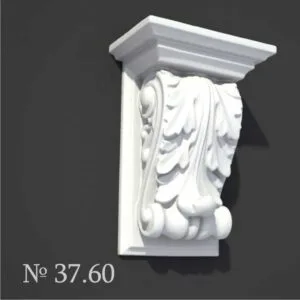
The most expensive failure mode is invisible until damage spreads into substrate and framing. Field experience shows water infiltration behind EPS moldings begins at months 4–6, often at expansion joints where sealant fails silently. A thermal audit conducted before month 8 reveals cooler zones behind otherwise pristine-looking cornices or keystones—a dead giveaway that moisture has entered and is evaporating more slowly than surrounding areas.
Once moisture is confirmed, remediation is straightforward: open the molding, install a proper decorative window sill or secondary drainage path, and apply a vapor-permeable membrane. Costs run $800–$1,400 for a typical 30-foot run of cornicing. Ignored, that same water advances into the substrate for 18 months, rotting OSB or plywood underneath and triggering structural repairs at $3,500–$5,200.
Anchor Corrosion: Invisible Until Molding Tears Away
EPS moldings are held to facade with mechanical anchors—stainless steel or galvanized fasteners spaced 12–16 inches apart. If anchors were installed through wet foam or without a moisture barrier, corrosion begins within months. A standard visual inspection cannot reveal this because anchors are hidden inside 2–4 inches of foam. A thermal audit, however, shows discrete heat-loss points where metal anchors conduct warmth outward, creating small but distinct thermal signatures.
When corrosion reaches 40–60% of fastener cross-section—typically at month 12–18—adhesive and mechanical grip fail together. The molding delaminates or tears away in wind. Replacement of a 20-foot exterior foam molding run runs $2,200–$3,600 in labor and material. Detection via thermal audit at month 9 triggers a $300 re-anchoring intervention—adding new stainless fasteners and sealing corroded ones.
Thermal Bridges: 15% of Heat Loss Happening at Facade Joints
EPS foam blocks thermal conduction, but when foam terminates at a vertical joint or horizontal seam, the underlying structure (steel studs, concrete band boards, wood framing) becomes a direct thermal bridge. Homeowners report losing 15% of winter heating energy through EPS facades installed without thermal breaks between layers. Standard energy audits measure whole-house loss; a facade thermal audit isolates exactly where heat escapes.
Thermal imaging reveals these zones as stripe patterns running vertically or horizontally across the facade, standing out 5–10°C cooler than surrounding foam. Repair involves installing closed-cell foam strips or continuous insulation at the junction before new foam sections are attached. Cost is $0.50–$1.20 per linear foot of edge sealed, so a typical 200-foot perimeter remedy costs $100–$240—a rounding error compared to ongoing energy waste of $1,200–$1,900 per heating season.
Delamination: Thermal Maps Show Separation 12 Months Before Moldings Drop
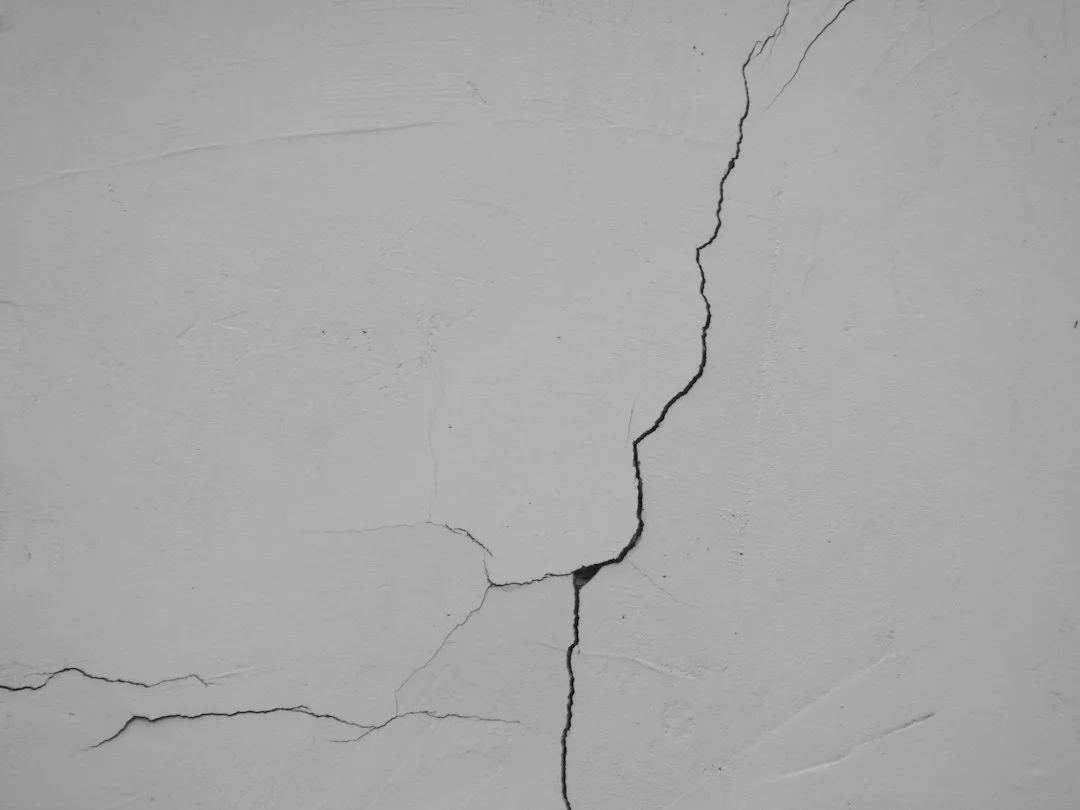
Delamination occurs when foam separates from its substrate (cladding, vapor barrier, or base layer) due to moisture expansion, incorrect adhesive, or inadequate anchorage depth. Early delamination does not produce visible cracks or bulges; instead, the foam detaches millimeter-by-millimeter from its mounting surface. Thermal imaging exposes this separation because air gaps are thermally transparent—they allow heat to bypass the foam and escape more readily, creating distinctive thermal patterns that match the delamination zone exactly.
A contractor who acknowledges delamination at thermal-audit stage can re-bond small areas with two-part foam adhesive ($80–$150 per section) or inject resin behind the molding. Ignored until month 18, entire panel runs tear away during wind events or gravity fatigue, requiring full replacement at $2,200–$3,800 per 20-foot section plus substrate repair if underlying structure is damaged.
When to Schedule an EPS Thermal Audit
The ideal timing is 12–18 months after EPS installation, when moisture patterns have stabilized but before irreversible damage begins spreading. Many building codes (notably IECC and local amendments) now recommend facade thermal imaging for ETICS (External Thermal Insulation Composite Systems) installations, but enforcement is inconsistent. If your audit schedule is flexible, aim for late autumn or early spring when indoor-outdoor temperature differentials are greatest—this maximizes thermal signature clarity.
Coastal properties, facades facing prevailing wind, and installations in high-humidity climates (Gulf Coast, Pacific Northwest, Northeast) should audit every 2 years. Inland, low-humidity regions can extend to a 3–4 year cycle. After year 5, annual audits catch seasonal moisture fluctuations and anchor degradation before they cascade into failure.
What a Professional Thermal Report Should Include
A credible audit report must contain calibrated thermal images (not smartphone IR screenshots), precise temperature readings for each zone, a floor-plan overlay showing defect locations, and repair recommendations ranked by urgency. The thermographer should be certified by FLIR, Snell, or equivalent, and carry liability insurance. Cost for this level of documentation is $600–$1,000 for a 3,000–5,000 sq ft facade.
Red-flag reports to distrust: those without temperature scales, generic recommendations, or photos taken in direct sunlight (solar gain distorts readings). A legitimate audit report quantifies moisture temperature variance (typically 2–5°C below surrounding foam indicates water presence) and calculates thermal resistance loss in BTU/hr·sq ft for bridges and gaps.
The $8,000 Cascade: Why Delayed Repairs Compound Exponentially
A single defect caught at month 6 costs $400–$1,200 to remediate. The same defect left unattended until month 18 costs $2,000–$4,000 because moisture has advanced into substrate, anchors have corroded more severely, and adjacent foam sections have begun delaminating in cascade. By month 36, that one thermal issue has metastasized into multiple failure zones requiring removal and reinstallation of 40–60% of the facade—a $6,000–$12,000 job.
Insurance rarely covers facade defects deemed “maintenance” or “installation negligence,” so these costs fall entirely on homeowners. A thermal audit at month 12 prevents this escalation with near certainty. Contractors who resist audits are protecting their liability exposure, not your property.
Action Steps: Commissioning an Audit and Acting on Results
Request a facade thermal audit from an independent inspector (not the installation contractor, who has bias). Provide building plans, installation date, and material specs. The audit typically requires 4–6 hours on-site plus 3–5 days for report generation. Budget $600–$1,000 and schedule for clear-sky weather with 15+°C indoor-outdoor temperature difference.
Once results arrive, prioritize repairs by risk category: active water infiltration (repair within 30 days), corrosion or delamination of structural sections (repair within 60 days), and thermal bridges or minor moisture zones (repair within 90 days). Solicit repair bids from three contractors, specifying materials (stainless fasteners, vapor-permeable membranes, two-part adhesives) rather than labor-only estimates—material specification prevents shortcuts.
Many homeowners request a follow-up thermal audit 6 months after repairs to verify remediation success. This second audit costs $400–$600 and confirms that repairs were executed correctly and that no new defects have emerged. The cumulative cost of audit plus repairs typically runs $2,400–$4,800—a fraction of the $8,000+ spent repairing cascading failures three years later.