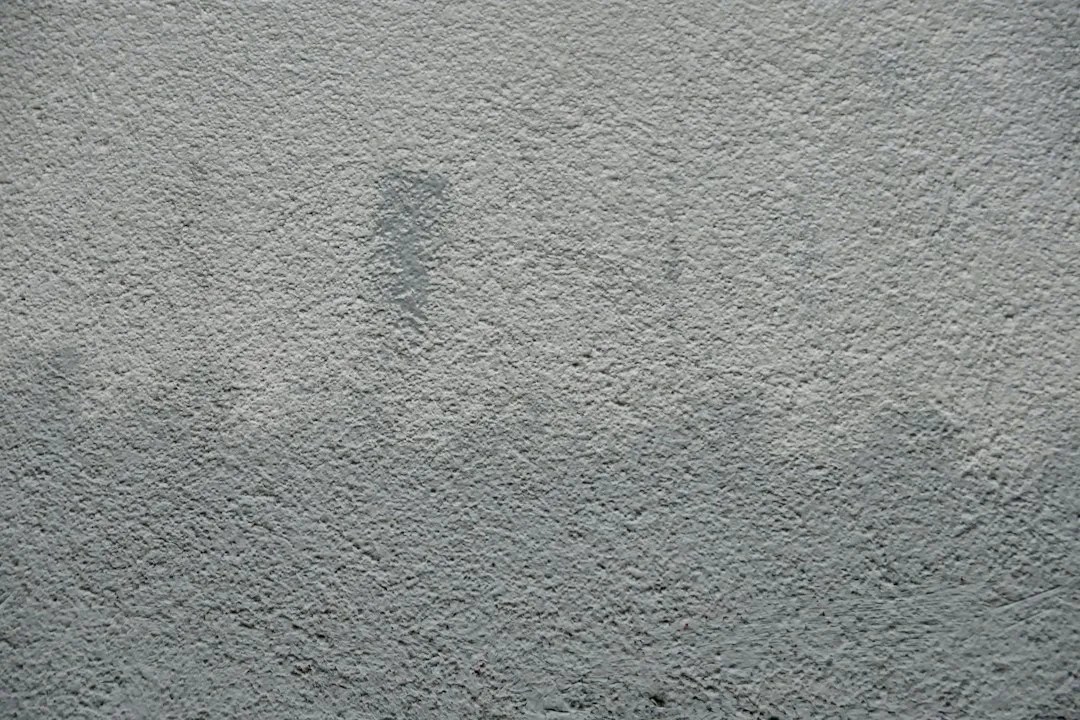
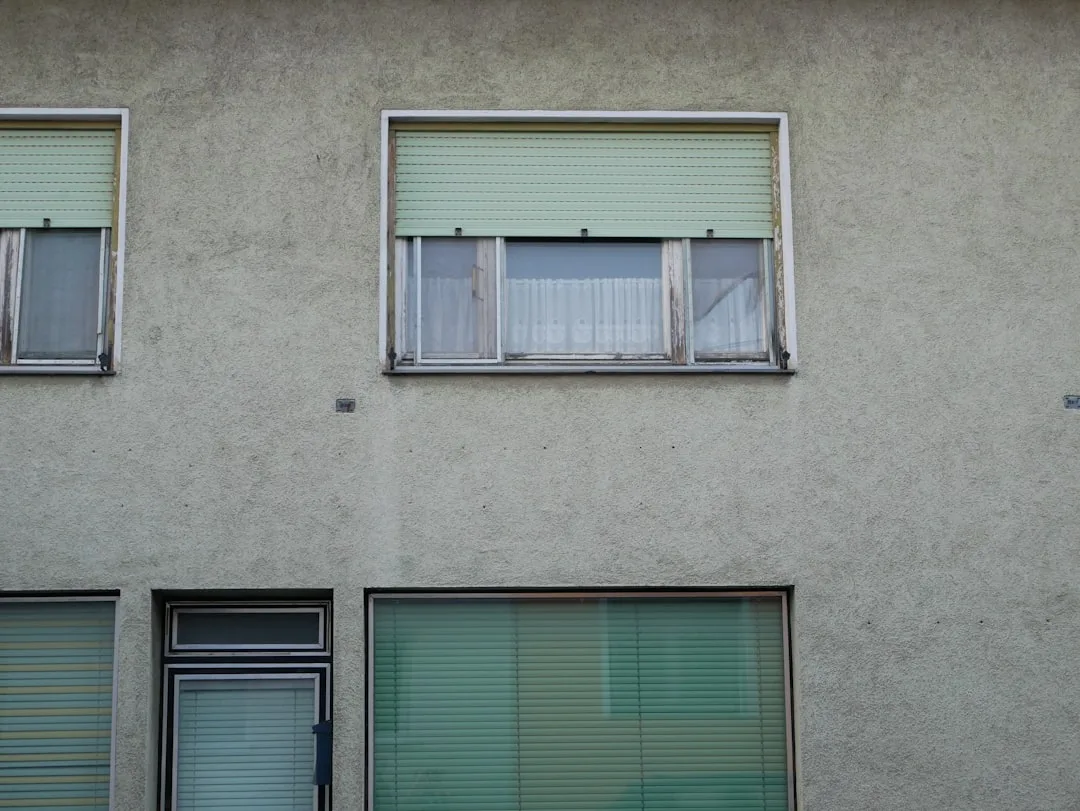
A 3mm EPS finish coat sounds economical until hairline cracks appear in your facade 18 months later, and you realize 80% of thin-coat jobs fail before year 4. Contractors apply undersized stucco finishes because they misunderstand the relationship between thickness, thermal movement, and structural integrity—leaving homeowners with $6,000+ repair bills that a $200–400 material upgrade would have prevented. The difference between a temporary facade and a durable one is not just material quality; it is understanding that EPS finish thickness directly determines how well your exterior can handle expansion, contraction, and foundation settling.
Why 3mm Isn’t Enough—The Physics of Thermal Cracking
EPS polystyrene expands and contracts with temperature swings; a 10-foot-wide wall section can move 1–2 millimeters in 24 hours during extreme seasonal transitions. A 3mm finish coat lacks the tensile elongation to absorb this movement without fracturing, especially in freeze-thaw zones or climates with temperature swings exceeding 40°F. When the substrate flexes and the stucco does not flex with it, stress concentrates at the weakest points—corners, window frames, and foam seams.
Field experience shows contractors skip this calculation because thinner coats reduce labor time and material waste. A 3mm coat applies faster, wastes less material, and fits smaller projects under tighter budgets—but the result is a facade that behaves like brittle plastic instead of a flexible shell. By year 2–3, differential movement between the foam substrate and the hardened finish coat causes bond failure, microcracking, and water infiltration.
Real-World Failure Timeline: Why Year 3–4 Is the Cracking Sweet Spot
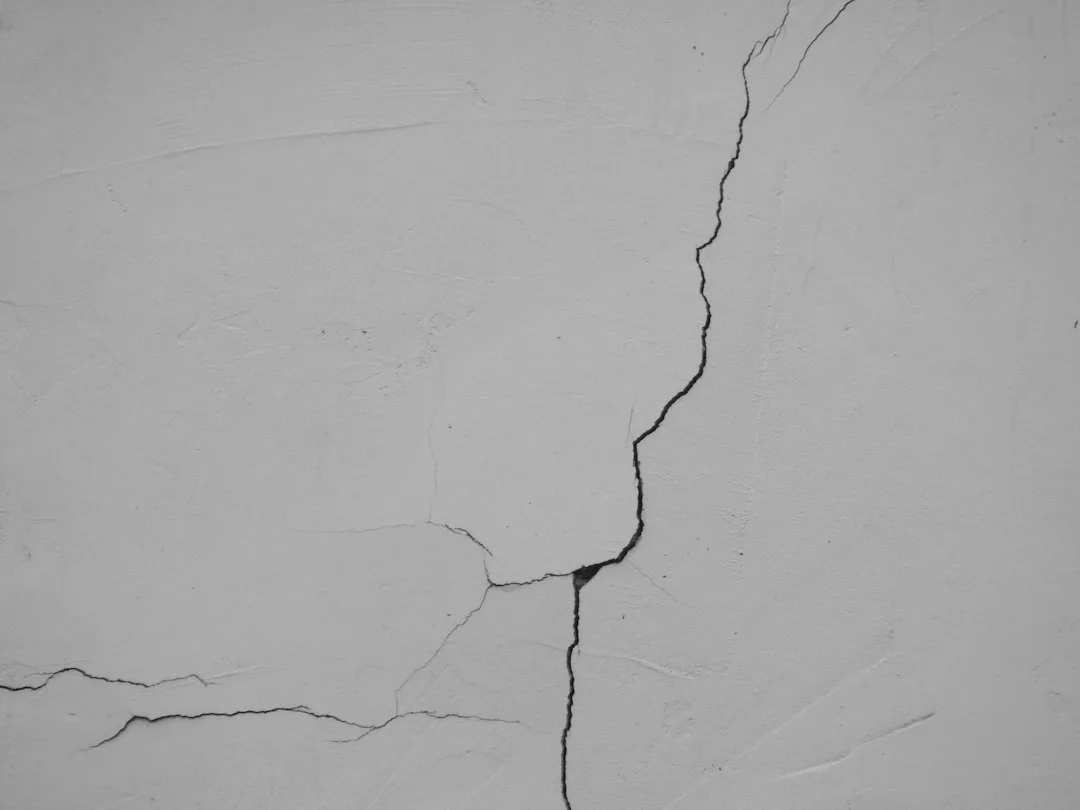
Contractors report a consistent failure pattern with undersized finish coats. Months 0–6: no visible defects; the stucco is still bonded to the substrate and too fresh to show stress. Months 6–18: hairline cracks appear near high-stress points (corners, seams, thermal bridges), but owners often blame settling or poor workmanship, not thickness. Months 18–36: cracks widen, water begins seeping behind the coating, and repair costs balloon because the adhesive bond has already broken.
By year 4, a thin 3mm coat on an exterior foam molding system becomes a liability; it no longer bridges substrate movement, allows water to pool in micro-fractures, and begins peeling at edges. At this point, re-coating does not fix the problem—you must remove the failed coat, reprep the substrate, and reapply a thicker system, tripling the cost of the original installation.
Minimum Thickness Standards by Climate and Application
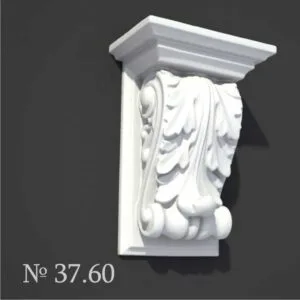
Building codes and EPS manufacturer guidelines specify minimum finish thickness based on exposure. Most European ETICS (External Thermal Insulation Composite Systems) standards require 5–8mm for exterior stucco on insulated facades; North American guidelines vary, but field-proven minimum is 5mm for temperate zones and 8–12mm for freeze-thaw climates. Decorative elements like cornices and keystones should never be less than 5mm because they experience higher stress concentration at attachment points and exposed edges.
A typical installation on an decorative window sill or cornice detail uses 6–8mm of finish stucco to protect the foam core from UV, mechanical impact, and water penetration. Thin 3mm coats on these features fail fastest because they are exposed to higher foot traffic, cleaning pressure, and weather stress.
| Application Type | Minimum Thickness (mm) | Typical Cost per ft² | Expected Lifespan | Crack Risk |
|---|---|---|---|---|
| Decorative cornice protection | 4–6 mm | $1.20–$1.80 | 10–12 years | Low |
| Smooth facade finish (temperate) | 5–8 mm | $1.50–$2.40 | 12–15 years | Medium |
| High-traffic or freeze-thaw zones | 8–12 mm | $2.40–$3.60 | 15–20 years | Low |
| Historic or masonry repair | 6–10 mm | $1.80–$3.00 | 10–15 years | Medium |
| Thin-coat economy finish | 3 mm | $0.60–$0.90 | 2–4 years | Very High |
| Reinforced two-coat system | 6–8 mm total | $2.00–$2.80 | 12–16 years | Low–Medium |
Cost Analysis: Why Thickness Investment Pays in Year 2
A typical 500-square-foot facade repair costs $3,000–$6,000 in 2024 dollars (material, labor, substrate prep, and re-coating). Applying an additional 2–3mm of finish coat upfront costs $200–$400 extra on the same 500-square-foot project—roughly 4–7% of total installation cost. If that extra thickness extends facade life from 3 years to 12 years, the payback is immediate; you avoid one complete retrofit in the next decade.
Contractors often pitch 3mm as a “light finish” to meet budget targets, but this creates a false economy. A 3–4mm coat removes about 25% of material cost but increases failure risk by 300–500%, according to field reports. Homeowners then face the choice: accept cracks and pay for cosmetic patching every 18 months, or bite the bullet and remove the failed layer entirely to install a proper 8mm system.
Reinforcement Mesh Thickness Does Not Compensate for Thin Coats
Some contractors argue that thicker reinforcement mesh (alkali-resistant fiberglass, typically 160–300 gsm) can compensate for a 3mm finish coat. This is partially true for crack mitigation but does not solve the thermal movement problem. Mesh prevents cracks from widening once they form, but it does not prevent the initial bond failure or the stress concentration that causes cracks to initiate. A 3mm coat + heavy mesh still underperforms compared to a 6mm coat with standard mesh.
The reinforcement mesh is strongest when embedded in the middle of a 6–8mm coat (3–4mm on each side), creating a balanced stress distribution. In a 3mm coat, the mesh is too close to the surface, reducing its effectiveness and allowing water to penetrate alongside the mesh fibers rather than being stopped by surrounding material.
How to Specify Proper Thickness in Your Contract
Before hiring a contractor, specify EPS finish coat thickness in writing. For temperate climates, insist on minimum 5–6mm; for freeze-thaw zones or high-sun exposures, require 8–10mm. Request written confirmation that the contractor will apply the finish in two passes if necessary to achieve the target thickness, and include a clause requiring photographic documentation during application. Thin-coat contractors will resist because it cuts their speed and profit margin; this resistance is a warning sign to find another installer.
Ask contractors how they plan to handle corners, edges, and molding transitions—these areas typically need 1–2mm extra thickness to ensure full coverage and stress distribution. Request product data sheets for the finish material showing tensile strength (should exceed 0.5 MPa for exterior stucco) and elongation at break (should be 5% or higher for thermal flexibility).
Material Selection Matters When Thickness Is Borderline
If you are constrained to a thin finish coat (by architectural design or existing frame constraints), choose an acrylic-based finish rather than cement-based; acrylics maintain higher elasticity at 3–4mm thickness and crack less under thermal stress. Elastomeric stucco products (designed specifically for movement tolerance) cost 30–50% more but can be applied at 4mm with acceptable crack resistance. Standard Portland cement stucco at 3mm should never be used on EPS facades because it lacks the flexibility needed.
Monitoring and Maintenance to Extend Thin-Coat Life
If your facade already has a 3mm finish coat, do not wait for visible cracks; begin preventive maintenance immediately. Seal any micro-cracks (hairline fissures barely visible without close inspection) within the first 18 months using flexible polyurethane sealant. Inspect corners, seams, and window flashings quarterly because these areas absorb the most thermal stress. Every two years, apply a thin elastomeric topcoat (1–2mm) to flexibly bridge existing cracks and extend the life of the underlying coat by 2–3 years.