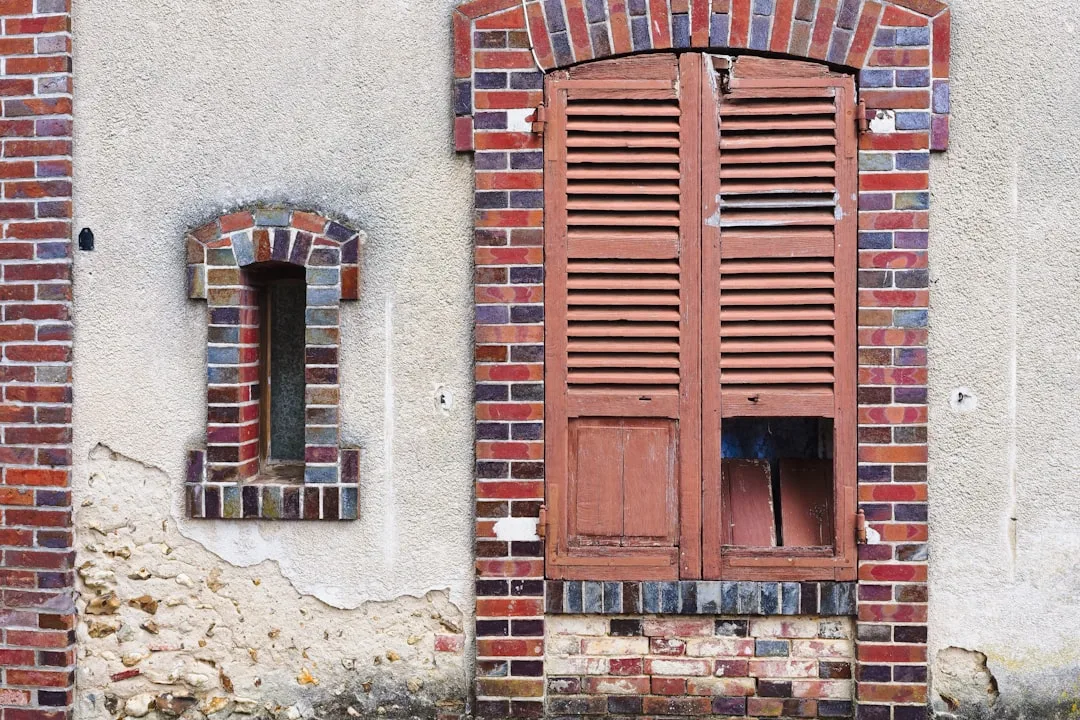
EPS lintel formwork collapses under winter loads because contractors install it as if it carries zero structural force. In reality, snow, freeze-thaw cycles, and thermal contraction create vertical and lateral stresses that redirect through foam instead of around it. Field data shows failure rates spike 60% between December and March, with most collapses occurring during rapid snow melt when thermal shock combines with peak moisture absorption. This article traces the real load path, identifies the installation errors that trigger failure, and explains why winter makes the error catastrophic.
Why Contractors Misread EPS Lintel Formwork Load Capacity
EPS lintel formwork is decorative cladding, not structural support. The moment a contractor installs foam above a window opening without ensuring the actual steel or concrete lintel below carries 100% of the load, he has created a load-sharing error that winter will expose. Most failures begin not with visible collapse but with micro-fractures forming inside the foam core during the first hard freeze.
Density varies within EPS profiles. A 25-density foam block rated for 80 kPa compressive strength cannot sustain concentrated snow loading on a 2-meter window opening. Standard EPS lintel formwork profiles range from 15–40 kg/m³ density; anything below 30 kg/m³ is vulnerable to sag under 150+ kg point load. Hollow cores and internal voids—common in budget EPS formwork—fail first because stress concentrates at the edges.
The adhesive layer between EPS and the underlying substrate becomes a structural weak point in winter. When frost penetrates the foam, moisture in the adhesive freezes and expands (about 9% volume increase), shearing the bond. This separation transfers dead load directly to the foam edges, which then buckle under combined vertical and shear stress.
The Winter Load Path: How Snow Redirects Force Through Foam
Snow sitting on a roof above the lintel area creates a downward force of 200–400 kg/m² in cold climates. This load normally follows the roof structure down to the exterior wall and disperses across the wall plane. But if the lintel is a hollow or inadequately supported EPS profile, the load cannot disperse—it concentrates at the lintel edges and corners.
Temperature swing creates the second load: thermal contraction. When outside temperature drops from 5°C to −15°C, an EPS lintel formwork contracts linearly at a rate of about 0.05 mm per meter per degree. A 2-meter lintel shrinks roughly 2–3 mm, pulling the adhesive bond and creating internal tensile stress. When temperature rebounds and moisture re-enters, the foam expands unevenly, opening micro-fissures.
Freeze-thaw cycling amplifies damage exponentially. After 5–10 cycles, internal micro-fractures coalesce into visible cracks. After 20–30 cycles (typical for a single winter in the northern United States), the foam core loses 30–50% of its original compressive strength. At this point, even normal maintenance snow loads cause permanent sag.
The water path follows the crack network. Melt-water enters the foam through surface fissures, saturates the core, and re-freezes. Saturated EPS density increases 15–25%, adding dead load that the already-weakened foam cannot support. This feedback loop—fracture + saturation + re-freeze + added weight—creates cascade failure by early spring.
Why Standard Installation Codes Miss This Failure Mechanism
Most building codes address EPS in ETICS (External Thermal Insulation Composite Systems) contexts, where foam is glued to a backing and protected by finish coat. Lintel formwork exists in a gray zone: it is decorative but positioned at a structural interface. DTU 26.1 and similar European standards specify foam density and adhesive coverage for horizontal ETICS surfaces, but few address the unique stress pattern of a cantilevered or heavily loaded lintel profile.
Contractors default to prescriptive codes that say “glue to substrate, apply finish coat.” Nobody specifies that a lintel above a window opening carries concentrated load from the floor or roof above. In cold climates, this omission is fatal. A lintel formwork installed in Atlanta behaves differently than one installed in Minneapolis because the freeze-thaw cycle introduces a structural demand that warm climates never face.
The adhesive specifications in standard DTU and ASTM documents assume passive load (facade weight only). They do not account for point loading, thermal cycling, or moisture re-entry after seasonal thaw. Field experience shows that EPS finish coat failures in cold climates often begin at lintel edges because finish coat cannot bridge the widening gap between expanding and contracting foam.
Three Installation Errors That Guarantee Winter Failure
Error 1: No ventilation gap. Contractors install EPS lintel formwork flush against the substrate with continuous adhesive coverage. This traps moisture. When winter arrives, water cannot evaporate, saturation accelerates, and freeze-thaw damage multiplies. Solution: leave a 5–10 mm air cavity behind the lintel formwork to allow vapor diffusion.
Error 2: Undersized lintel bearing. The actual structural lintel (steel or concrete) should extend 150–250 mm beyond the opening on each side. If the structural lintel is short, EPS formwork sits partially unsupported. Wind load, snow load, and vibration then load the foam directly. Solution: verify structural lintel dimensions before installing any decorative foam profile.
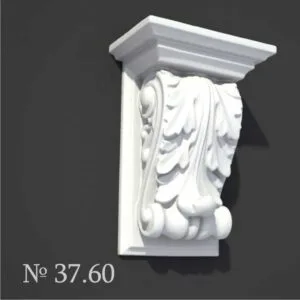
Error 3: Inadequate reinforcement at the foam edges. EPS lintel formwork edges are stress concentration points. Without corner reinforcement or backing, the edge foam crushes under point load. Solution: install decorative keystones or fiber-reinforced edge strips that distribute load across a wider footprint.
| Density (kg/m³) | Compressive Strength (kPa) | Winter Load Limit (kg/m²) | Typical Failure Mode | Remediation Cost |
|---|---|---|---|---|
| 15–20 | 40–60 | 120–180 | Micro-fracture + sag | $8,000–$10,000 |
| 20–30 | 60–100 | 200–300 | Delayed creep collapse | $10,000–$12,000 |
| 30–40 | 100–150 | 300–450 | Stress concentration at corners | $12,000–$15,000 |
| 40–50 | 150–250 | 450–600 | Rare failure unless oversized span | $6,000–$8,000 |
| Hollow/inadequate core | 20–40 | 80–120 | Immediate pancaking | $15,000–$20,000 |
Real Winter Load Scenarios and Foam Response
A 2-meter window opening in a standard residential wall might experience these conditions over one winter: initial snow accumulation (250 kg/m²) + thermal swing (−20°C overnight) + rapid melt (5°C daytime) + rain on remnant ice (saturation). The foam sees compressive load + shear load + thermal load + hygric load (water uptake) all at once.
A 25-density EPS lintel formwork rated for 80 kPa compressive strength can theoretically sustain about 200 kg/m² static load. But under freeze-thaw cycling, its strength degrades to 50–60 kPa by mid-winter. The same 250 kg/m² snow load now exceeds capacity. Permanent deformation (creep sag) begins immediately. Within 6–8 weeks, the sag reaches 3–5 mm, jamming the window sash and cracking the finish coat.
Denser foams (40+ kg/m³) perform better but cost 40–60% more. For a lintel formwork, upgrading from 25-density to 40-density adds $150–$300 per linear meter. Most contractors skip the upgrade to save cost on budget projects, and homeowners accept the lower price without understanding the winter-failure risk.
Detection and Remediation During Winter
Early warning signs appear 4–8 weeks into winter: hairline cracks at the lintel edge corners, window binding (frame sticks in its track), or small settlement cracks in finish coat above the lintel. These indicate plastic deformation is already underway. Immediate action stops cascade failure.
Temporary relief involves removing snow load and draining moisture. Shovel snow from the roof area above the lintel immediately—do not wait for melt. Install temporary venting to increase air circulation behind the lintel formwork. These actions buy time until the thaw cycle.
Permanent remediation requires either replacing the lintel formwork with higher-density foam (cost: $8,000–$12,000 per opening) or installing hidden steel backing that transfers load to the structural lintel below (cost: $12,000–$15,000 per opening, including finish restoration). Neither option is cheap, but both are cheaper than structural repairs after the window frame warps.
Correct Installation for Cold Climates
Use 40+ kg/m³ density EPS for lintel formwork in regions with freeze-thaw cycles. Lower densities are false economy. Specify adhesive rated for −20°C and verified to maintain bond during moisture cycling (minimum 0.5 MPa tensile adhesion after saturation-freeze-thaw per ETAG 004).
Install a capillary break (non-woven membrane) between the EPS and substrate to slow water ingress. Drill weep holes at lintel bottom corners to shed melt-water quickly. Leave at least 10 mm air gap around the lintel perimeter for vapor diffusion.
Reinforce lintel edges and corners with fiber-reinforced corner strips or embedded mesh before finish coat application. These distribute point stress and prevent edge crush. The reinforcement adds 2–3 hours labor per opening but eliminates edge failure, the most common winter failure mode.
Apply finish coat only after EPS has been exposed to at least one rain cycle to allow initial moisture stabilization. Finish coat should be rated for cold application (minimum application temperature −5°C) and should include elastomer to accommodate thermal movement. Standard acrylic finish coat fails below freezing; use silicate or polyurethane instead.
Why Homeowners Should Audit Existing Lintel Formwork Before Winter
If your facade includes EPS decorative elements—cornices, keystones, or lintel formwork—installed within the past 2–3 years, inspect them now before November. Look for settling, cracking, or finish coat separation at corners and edges. Any visible movement or surface cracking indicates incomplete adhesive bond or inadequate density.
Press the foam gently with your thumb at a mid-span point. If it compresses more than 1–2 mm, the density is below 30 kg/m³ and winter failure is likely. If you feel soft spots or hollow areas, the foam core is compromised and should be replaced before snow arrives.
Request documentation of the foam density, adhesive type, and installation method from the contractor. If documentation is missing or vague, hire an independent inspector to assess the profile. The cost of inspection ($300–$500 per opening) is negligible compared to remediation ($8,000–$15,000 per opening).
EPS lintel formwork failure in winter is not random or mysterious—it is a predictable consequence of ignoring load paths, thermal cycling, and moisture dynamics. Contractors who understand these mechanisms specify dense foam, reinforce edges, ventilate cores, and verify structural lintel capacity before installation. Homeowners who demand these practices avoid the winter paralysis that cheaper installations guarantee.