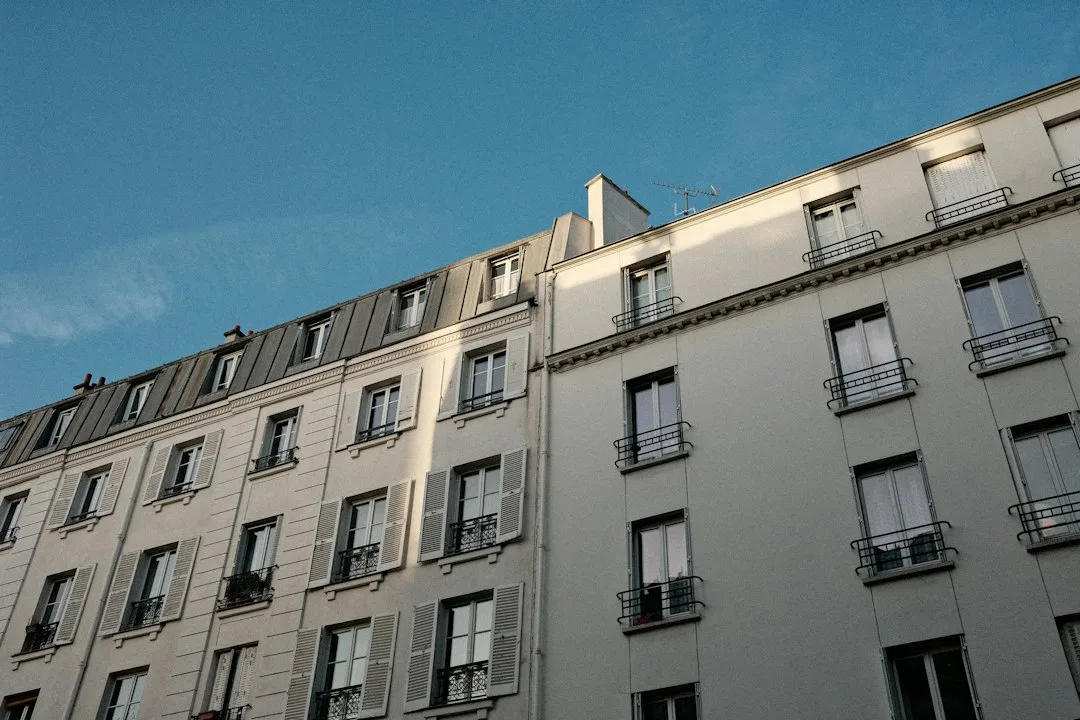

Contractors calculate EPS ornament density. They never calculate profile depth. This omission costs facades €800–2,400 per unit when cornices fail by compression within five years, not from weather or material rot, but from deflection under their own weight plus seasonal loads.
Why Depth Matters More Than Material Properties
An EPS cornice’s resistance to crushing depends on two separate mechanics: material strength (density, polymer chain integrity) and structural stiffness (cross-sectional depth and moment of inertia). Contractors obsess over the first and ignore the second. A 25 kg/m³ foam profile at 2.5cm deep fails under load faster than a 15 kg/m³ foam at 6cm deep—because stiffness, not material hardness, resists deflection.
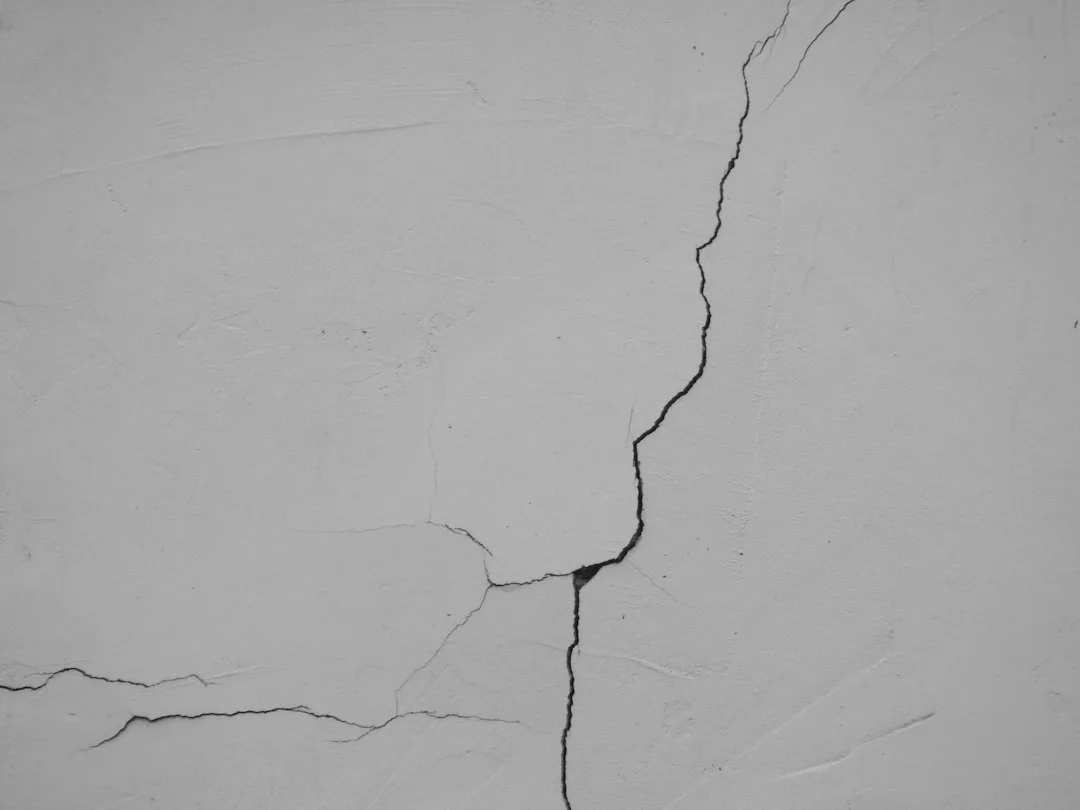
Deflection happens silently. The ornament doesn’t snap or shatter. Instead, it gradually compresses under its own weight, seasonal temperature cycles, and accumulated rainwater in concave surfaces. After two to three years, hairline cracks appear in the basecoat. By year five, the coating splits, water penetrates, and the foam begins to separate from the substrate.
The Compression Formula Contractors Skip
| Profile Depth (cm) | Cantilever Span (cm) | Safe Load (kg) | Deflection Risk | Common Application |
|---|---|---|---|---|
| 2.5 | 8 | 5 | High (>2mm) | Window trim, thin bands |
| 3.5 | 12 | 12 | Moderate (1–2mm) | Standard cornices, small moldings |
| 5.0 | 18 | 28 | Low (<1mm) | Heavy cornices, load-bearing ledges |
| 7.0 | 24 | 45 | Very Low (<0.5mm) | Facade shelves, structural shelves |
| 10.0 | 32 | 65 | Minimal (<0.3mm) | Balcony surrounds, architectural consoles |
Structural engineers use moment of inertia (I) to predict deflection: I ∝ depth³. Doubling your profile depth increases stiffness by eight times. This is why a 3.5cm cornice deflects noticeably under a 12cm cantilever span, while a 5cm profile at the same span barely moves. The difference is cubic, not linear.
Field experience shows that EPS profiles under 3.5cm depth on cantilever spans longer than 10cm begin to show measurable deflection (>1.5mm) within the first heating season. This deflection is permanent—the foam doesn’t spring back. Each winter, as temperature swings and thermal cycling resume, fresh micro-cracks open in the coating, and water migrates deeper into the substrate layers.
Load Categories and Minimum Safe Depths
EPS decorative ornaments fall into three categories. First, non-load-bearing trim (window surrounds, thin cornices, fascia bands) carries only its own weight plus coating—typically 2–4 kg per linear meter. These can work at 3cm depth if the cantilever span is under 10cm. Second, semi-load-bearing elements (ledges, larger cornices, architectural bands with 12–18cm overhangs) experience wind pressure, thermal stress, and occasional snow or ice buildup. These require 4.5–5.5cm minimum depth.
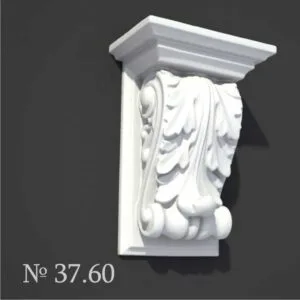
Third, load-bearing applications (facade shelves, structural consoles supporting planters or signage, balcony surrounds) demand 6–8cm depth or thicker. EPS consoles engineered to hold 40kg without masonry anchoring typically use 7–10cm profile depth because that depth, not bolts, distributes and resists the moment force at the cantilever joint.