Why EPS Polystyrene Outperforms Stone and Timber for Door Surrounds
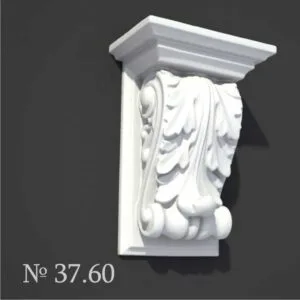
A traditional carved limestone door surround costs $1,800–$4,500 installed — EPS polystyrene delivers the same visual weight for $150–$350 in material. The density used for exterior architectural profiles is typically 20–25 kg/m³ (EPS 150 grade), which resists impact, moisture absorption below 3%, and does not rot or warp. Suppliers like Orac Decor, Mardan Decor, and NMC manufacture ready-to-cut profiles specifically for door framing, with pilaster bases, keystones, and cornice caps sold as coordinated systems.
Weight is the practical advantage contractors underestimate. A full door surround assembly in EPS weighs 4–8 kg total versus 80–200 kg for stone equivalents, meaning a single person can complete the installation without scaffolding or structural reinforcement. Facades with standard render, brick, or fiber cement cladding all accept EPS bonding without anchor plates in most residential applications.
Choosing the Right Profile System for Your Entry
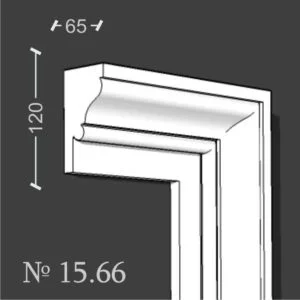
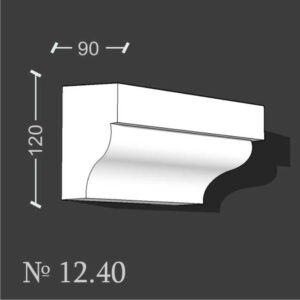
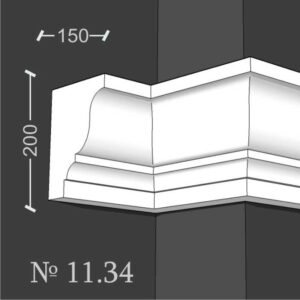
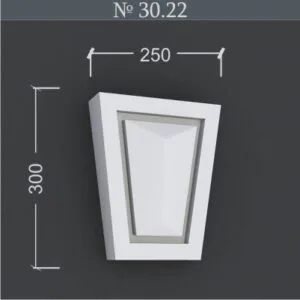
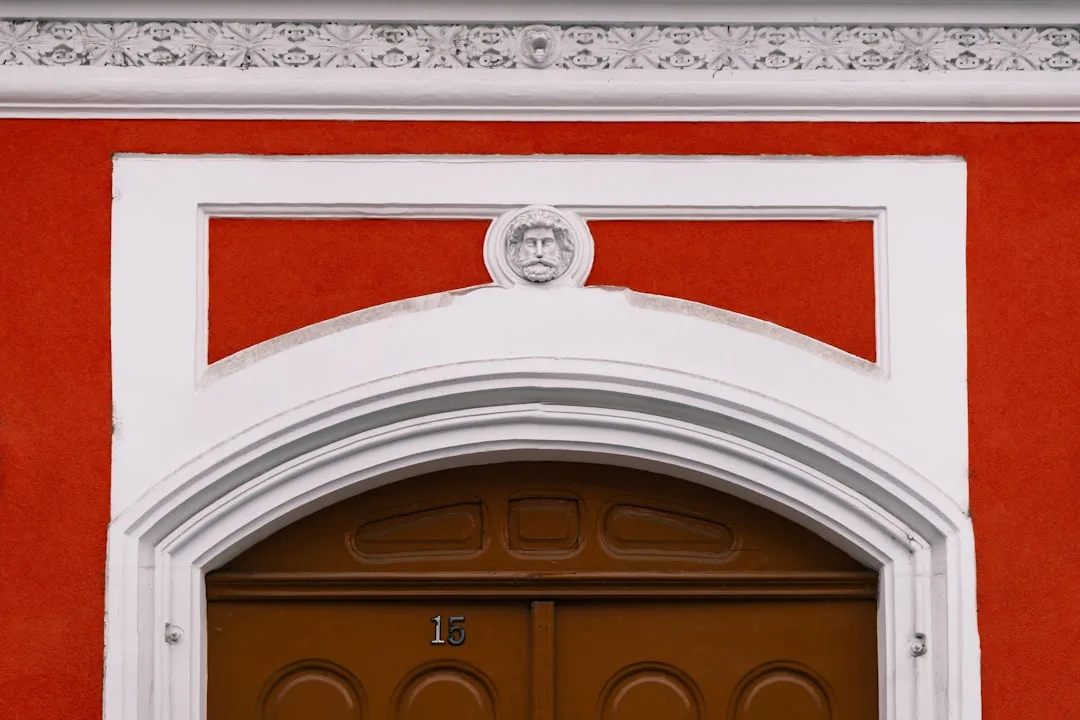
Door surrounds consist of three elements: vertical pilasters or flat architrave legs, a horizontal entablature or lintel block, and an optional keystone centered above the door head. Profile depth — the projection from the wall face — typically ranges from 40 mm to 120 mm; deeper profiles (80 mm+) create stronger shadow lines visible from the street and justify the higher material cost of $12–$22 per linear meter. For a standard 900 mm wide door, a complete surround uses roughly 5–6 linear meters of profile plus the keystone block.
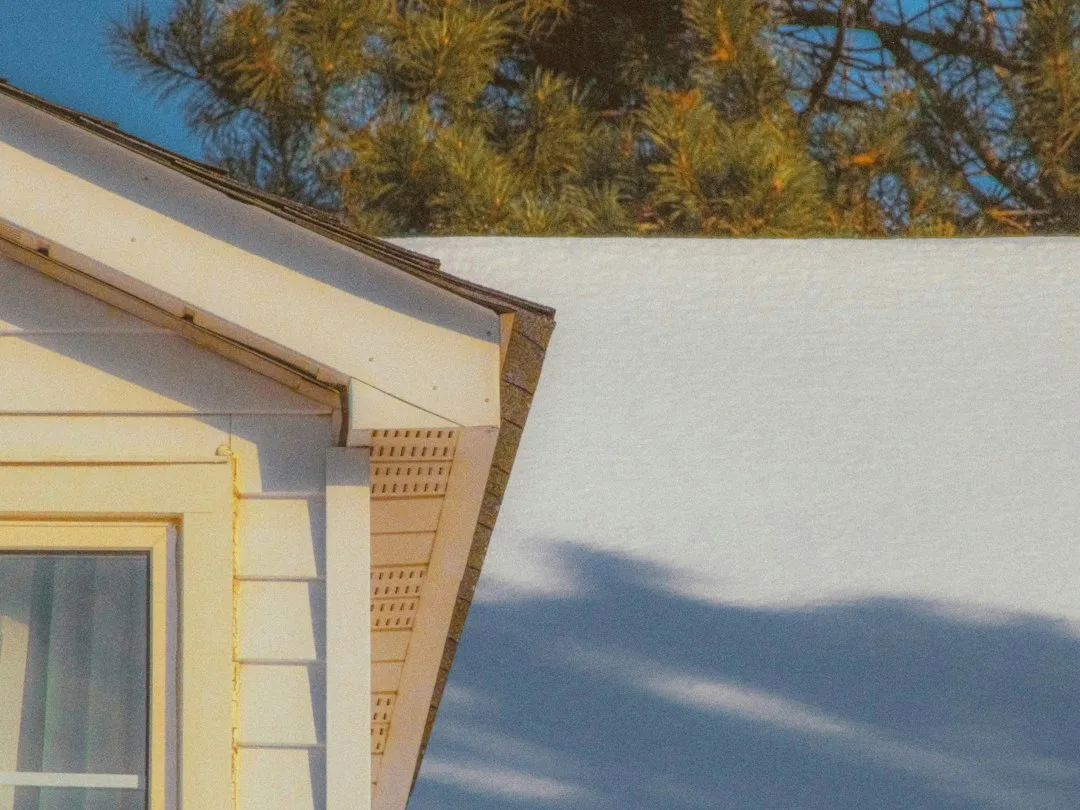
Match profile style to your facade’s existing language. A smooth render contemporary home suits a clean, minimal architrave with a flat lintel. A brick Victorian or colonial facade calls for a pilaster with base molding, capital, and a pediment or broken pediment above. Orac Decor’s D300 and D500 series cover both aesthetics with pre-primed surfaces ready for exterior acrylic paint.
Always specify UV-stabilized EPS or confirm that the manufacturer’s coating system includes a UV barrier — raw EPS degrades within 6–18 months of direct sun exposure if left uncoated.
Surface Preparation Before You Bond Anything
The number one cause of EPS door surround failures is skipping surface prep. The wall area where profiles will bond must be clean, dry, structurally sound, and free of silicone, paint flakes, or efflorescence. On rendered walls, tap the surface to identify hollow sections and repair before bonding — a profile bonded over a hollow render patch will detach within one freeze-thaw cycle.
Prime porous substrates (bare render, AAC block) with a PVA dilution (1:4) or dedicated facade primer to reduce suction and improve adhesive open time. On painted surfaces, sand lightly with 80-grit to give the adhesive mechanical grip. This 20-minute prep step determines whether your surround lasts 5 years or 25.
Adhesive Systems and Mechanical Fixing
For an EPS polystyrene door surround, use a polymer-modified cementitious adhesive (standard ETICS basecoat adhesive, e.g., Weber.therm Base or Mapei Elastocolor Rasante thinned) or a dedicated EPS construction adhesive like Soudabond Easy or Orac Decor DecoFix Pro. Avoid solvent-based adhesives — acetone, MEK, and many spray adhesives dissolve EPS instantly. Apply adhesive to the back of the profile using the dot-and-dab method: one continuous bead around the perimeter plus 3–4 internal dabs ensuring 40–60% contact coverage.
For profiles heavier than 2 kg per piece or in high-wind-exposure zones, supplement adhesive with stainless steel or galvanized screws through the face of the profile, countersunk 10 mm and filled with exterior filler before painting. Use 60 mm screws into masonry with a nylon plug. Do not rely on adhesive alone for keystones projecting more than 80 mm — mechanical fixing is mandatory.
Allow 24 hours cure time before painting. In temperatures below 5°C or above 35°C, delay installation — most polymer adhesives fail to cure correctly outside this range.
Finishing for Durability, Not Just Appearance
Raw EPS profiles from most suppliers arrive pre-coated with a fiberglass mesh-reinforced basecoat, making them ready for two finish coats of exterior acrylic paint. Do not apply solvent-based paints directly to EPS — they attack the foam. Apply one coat of exterior acrylic primer at 8–10 m² per liter, then two topcoats in your chosen color. Light colors (LRV above 55) reduce thermal stress on the adhesive bond in direct sun climates.
Seal the joint between the profile back edge and the wall with a paintable exterior polyurethane or acrylic sealant — Soudal Fix All or Sikaflex 11FC both work well. This joint seal prevents water ingress behind the profile, which is the second leading cause of EPS surround failure after poor surface prep. A 300 ml cartridge covers a full door surround perimeter.
What the Investment Actually Returns
Real estate studies in the UK and Australia consistently show that facade improvements including entry door framing return 80–120% of material and labor cost in perceived property value increase. A complete EPS polystyrene door surround installed by a competent DIYer costs $200–$400 in materials and 6–8 hours of labor. A professional installation runs $600–$1,100 depending on profile complexity and wall condition.
The architectural signal a framed entry sends is disproportionate to cost — it creates visual hierarchy on the facade, draws the eye to the entry point, and distinguishes a property on any street. For homeowners preparing to sell or rent, it is one of the highest-ROI exterior upgrades available in 2026 that does not require council approval in most jurisdictions.