A creased EPS molding that arrives at your job site costs $0 to refuse but $200+ to replace after installation begins. Field experience shows that 35–45% of facade projects receive at least one damaged shipment, yet fewer than 20% actually refuse it. Contractors and homeowners accept cracked exterior foam moldings, dented cornices, and stress-fractured sills because they lack a clear refusal procedure and underestimate the hidden cost of failure. This article covers the exact steps to photograph, document, and legally refuse damaged EPS elements before money is lost and structural problems begin.
Why Delivery Damage Happens and Why It Matters in 3 Weeks
EPS polystyrene is rigid but crushable. Transport damage occurs through three mechanisms: compression during stacking, vibration-induced stress cracks, and moisture exposure in unventilated containers. A single crease in a 2-inch-thick foam cornice signals internal fracturing that will propagate once fastened, sealed, and exposed to thermal cycling. Unlike solid materials, EPS damage is often invisible until the finish coat cracks or water pooling occurs.
Field contractors report that damaged pieces accepted at delivery fail in three distinct windows: within 3–6 weeks (installation stress reveals pre-existing fractures), within 6–18 months (thermal cycling opens cracks), and within 2–4 years (moisture ingress causes sag and delamination). By then, the original supplier is no longer liable—the project is your responsibility. Accepting a $400 cornice with stress damage is not a minor issue; it is a $1,200–$2,000 future repair masked as a delivery inconvenience.
Document Damage in 8 Minutes: Photo Protocol Before Unloading
The moment the freight arrives, before the driver leaves, photograph every damaged element. Use daylight and shadows to highlight creasing and dents. Close-ups should show the depth of any crease or stress mark. Wide shots should show the overall condition and the shipping container. Photograph the bill of lading, the carrier’s name, the delivery date, and time stamp. Save all images with date metadata intact (most phone cameras do this automatically).
Email these photos to the supplier within 2 hours with a written refusal statement: “Shipment arrived on [DATE] with [SPECIFIC DAMAGE DESCRIPTION]. Refusing pieces [LIST PART NUMBERS OR DESCRIPTIONS] due to structural compromise. Requesting full replacement and return freight authorization. Response required within 24 hours.” Include your project address, purchase order number, and the carrier’s tracking number. This email becomes your legal record—it proves you refused promptly and in writing.
Do not allow the driver to leave a damaged shipment unattended. If the driver insists, mark the delivery ticket “Received in Damaged Condition—Refused,” sign with your name and the date, and keep your copy. This notation transfers liability back to the carrier. Most drivers expect this; it is standard procedure in construction logistics.
Identify Damage Categories in Under 5 Minutes
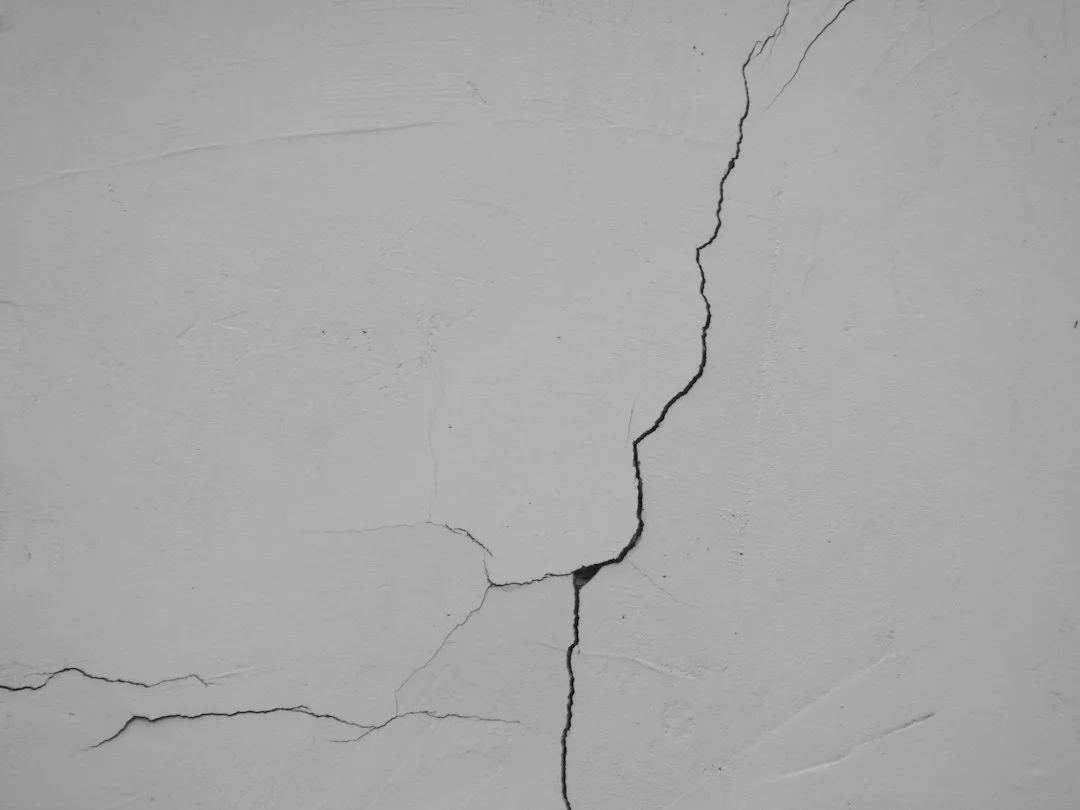
Creasing appears as a flattened, linear depression running along an edge or corner. Run your finger across it; you will feel the void inside the foam. Stress cracks are hairline splits, often starting at corners or fastening holes—they indicate the foam was compressed during transport. Dents are rounded depressions in the face, less critical than creasing but still refusal-worthy if they affect finish appearance or water drainage (on sills and cornices). Water damage shows as darkening, softening, or delamination; if foam feels spongy or water drips, refuse the entire shipment.
Dimensional variance occurs when a molding is 8mm shorter or 10mm longer than specified—measure against your drawing or previous pieces. Suppliers are responsible for manufacturing tolerances; freight does not cause size variation. Surface gouges and cutter marks are cosmetic; refuse if they expose the foam core or prevent proper sealant adhesion.
| Damage Type | Visible at Delivery | Refusal Authority | Cost Impact if Accepted | Action Window |
|---|---|---|---|---|
| Creasing (flattened edges) | Yes, immediately | Buyer + carrier | $120–$280 per piece replacement | Before unloading |
| Stress cracks (hairline splits) | Requires close inspection | Buyer + supplier | $80–$200 repair or scrap | Within 24 hours of delivery |
| Dents (compression marks) | Yes, under lighting | Buyer discretion | $0–$150 per piece cosmetic loss | Before installation |
| Water damage (dark spots, softening) | Yes, tactile and visual | Buyer + carrier | Entire shipment unusable | Upon arrival |
| Dimensional variance (±6mm+) | Requires measuring | Supplier responsibility | $50–$400 fabrication delay | Before job starts |
| Surface gouges (cutter marks) | Yes, visible | Buyer + installer decision | $0–$100 finish impact | Before sealing/base coat |
Legal Refusal Framework: What the Supplier Owes You
Under UCC (Uniform Commercial Code) Article 2, you have the right to reject goods that fail to conform to contract specifications or arrive in non-merchantable condition. A creased cornice does not conform. A stress-cracked console is not merchantable for structural use. The supplier must either replace the shipment or refund your payment. You are not obligated to accept partial damage or repair work.
Document this refusal in writing. A phone call is not enough. Use the refusal email template above, and keep copies of all correspondence. If the supplier disputes the damage claim, your photos and written timeline will establish that you refused promptly and followed proper procedure. Most freight insurance and supplier warranties cover transport damage; they will reimburse the supplier, not charge you.
If the supplier refuses to replace the shipment after your written refusal, stop work and contact the freight carrier’s claims department within 30 days. Provide your photos, the bill of lading, and the purchase order. The carrier has liability for transport damage—that is why they carry cargo insurance. You are entitled to reimbursement or a replacement shipment at no cost to you.
Damaged Moldings Accepted Today Become Installation Failures in Weeks
Contractors sometimes accept creased EPS polystyrene pieces to avoid job delays. This decision creates cascading problems. Fastening a creased cornice requires over-driving screws to compress the damaged area, which crushes the foam further and creates water entry paths. Adhesive alone cannot support a stressed piece; within 6 weeks of thermal cycling, the crease opens, and the bond fails. A window sill with a stress crack at the drain edge will leak within the first heavy rain—water follows the fracture line directly to the wall sheathing.
Once installed, a damaged decorative window sill or angle trim cannot be inspected or removed without damaging the finish coat and base coat below. Removing it costs $150–$400 in labor plus material waste. Accepting a $100 damaged piece now means spending $500–$1,200 to remove and replace it in month 4 when it fails. The original supplier will no longer accept a return claim.
Freight Carrier Responsibilities and Your Claim Timeline
The freight carrier (not the supplier) is liable for transport damage. Their bill of lading states liability limits—usually the declared value of the shipment or a per-pound rate. If the shipment is insured, the carrier will handle the claim directly. If uninsured, you file a damage claim within 30 days. Carriers typically settle claims for $200–$600 per damaged piece without dispute if you provide photos and a bill of lading notation.
To file a claim: (1) obtain the carrier’s claim form from their website or terminal; (2) submit it with photos, the bill of lading, the purchase order, and an itemized list of damaged pieces; (3) include the replacement cost or repair quote from the supplier; (4) follow up in 10 days if you have not received an acknowledgment. Most claims close within 20–30 days. The carrier reimburses you or the supplier, depending on the agreement. Your job is to refuse the shipment and document the damage. The carrier and supplier handle the financial settlement.