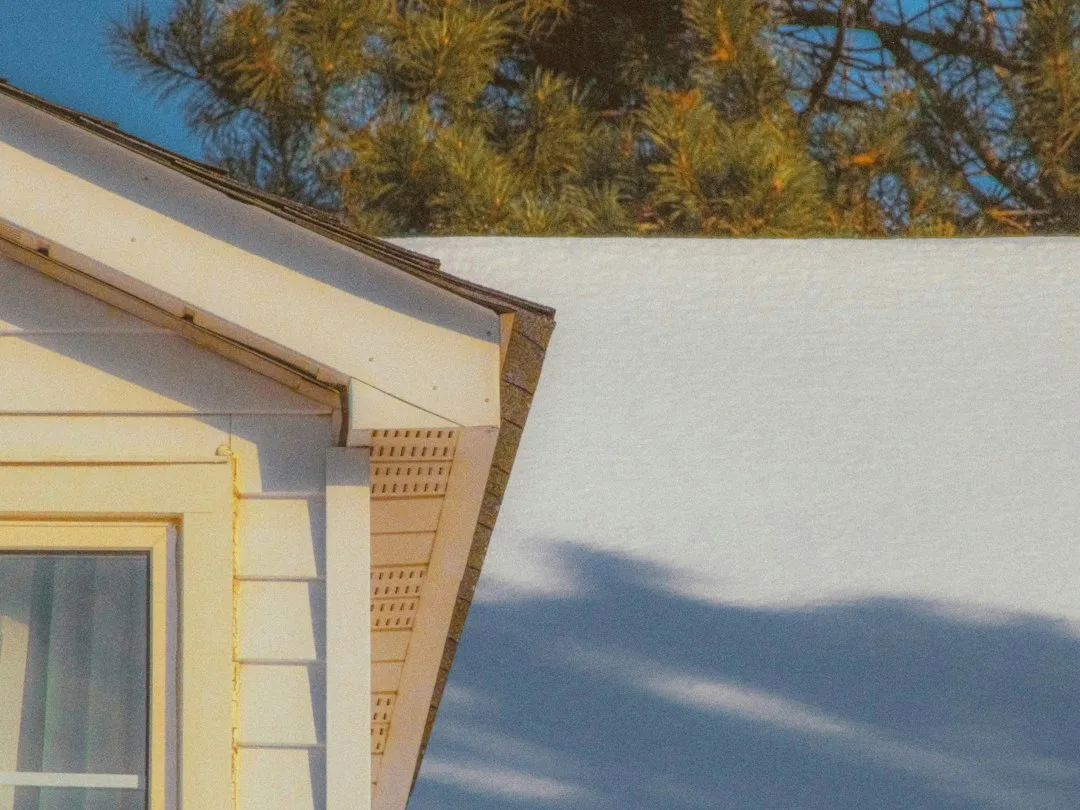
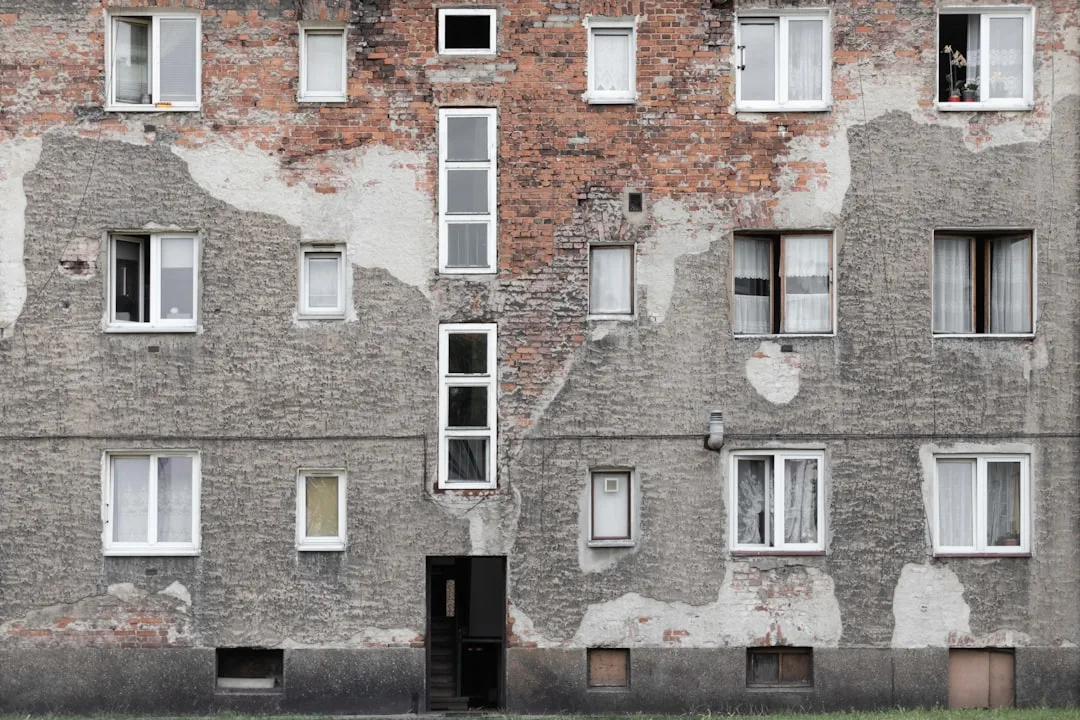
Degraded EPS molding reduces home sale price by 8–15 percent before appraisers even mention structural concerns. A contractor inspecting a 2,000 sq ft home with failed facade band drainage discovered $12,000 in hidden water damage to substrate and sheathing—damage invisible until interior walls were opened. Moisture that penetrates EPS facade bands without structural reinforcement spreads laterally under siding, triggering appraisal reductions that outpace roof or HVAC repairs.
Why Appraisers Penalize Degraded EPS Polystyrene Molding
Appraisers classify water-damaged EPS molding as a systems defect, not a cosmetic flaw. When visible cracks, delamination, or soft spots appear on decorative window sills or cornices, the assessment shifts from ‘exterior finish’ to ‘moisture intrusion pathway.’ A typical appraisal penalty: $3,000–$8,000 for confirmed water staining on one facade element; $12,000–$30,000 for evidence of horizontal moisture migration across multiple moldings.
The core issue: EPS foam degrades in three distinct failure modes. Moisture penetration causes delamination within 24–36 months. UV exposure without top-coat protection embrittles the surface, creating micro-cracks that trap water. Poor slope calculation on window sills—a common installation error—pools standing water, accelerating foam breakdown. Each failure mode reduces appraised value independently; combined, they trigger ‘deferred maintenance’ deductions that stack.
Degradation Timeline: 18 Months to Property Value Impact
Year 1: Installation or maintenance lapses. Missing vapor barrier, undersized sealant, or absent UV top-coat goes unnoticed. Moisture begins migrating into foam core.
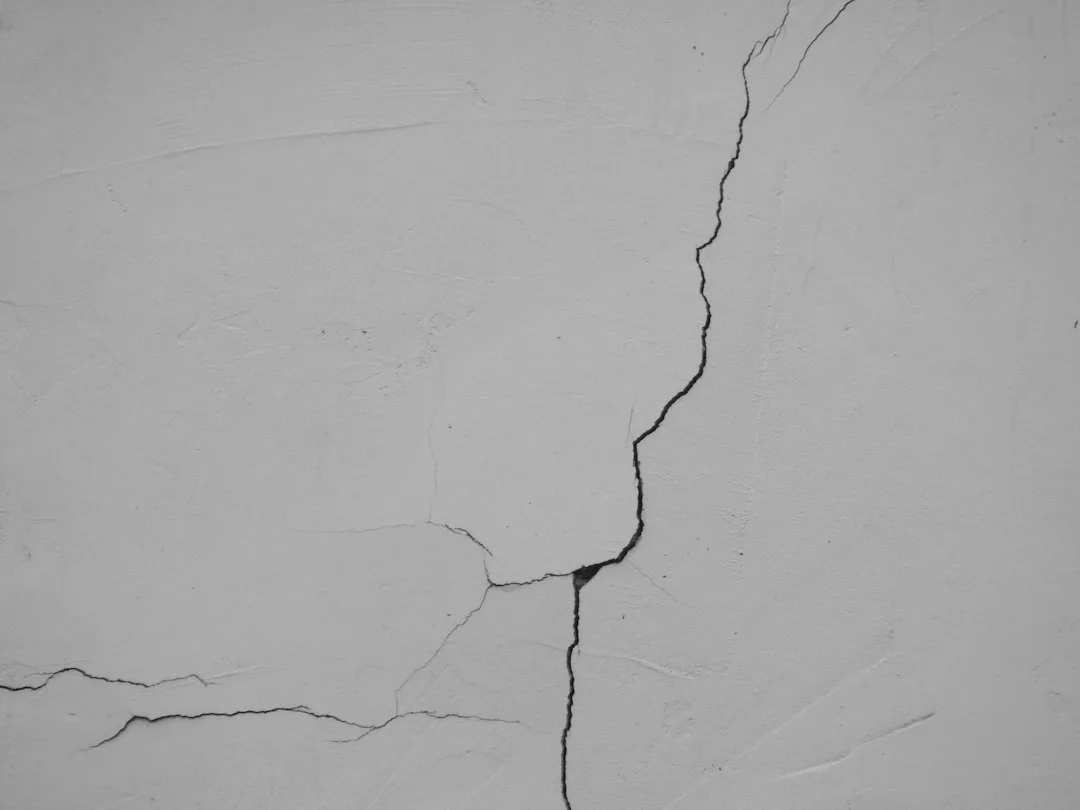
Months 12–18: Cracks appear. Surface caulk shrinks or fails. Water runs behind molding during rain. Interior wall sheathing begins absorbing moisture. Homeowner may caulk surface cracks but ignores root cause.
Months 18–24: Delamination visible. Paint bubbles or peels. Soft spots develop where foam is water-logged. Appraisers now flag the property as having ‘active moisture intrusion’ in external systems.
Months 24–36: Property is listed. Appraiser conducts inspection. Evidence of water damage—staining, mold on substrate, efflorescence—triggers $8,000–$22,000 value reduction. Buyer inspections reveal EPS foam degradation, complicating financing. List price drops 6–12% to account for required remediation.
| Failure Scenario | Timeline to Visible Damage | Appraiser Impact | Repair Cost Range |
|---|---|---|---|
| Missing vapor barrier on EPS molding | 18–24 months | –$8,000 to –$15,000 | $4,000–$12,000 |
| No UV protection top-coat | 24–30 months | –$5,000 to –$10,000 | $2,000–$8,000 |
| Window sill without slope (water trap) | 12–18 months | –$6,000 to –$12,000 | $800–$3,500 |
| Caulk failure on EPS cornice (multiple sections) | 24–36 months | –$10,000 to –$22,000 | $8,000–$22,000 |
Installation Errors That Guarantee Value Loss Within 3–5 Years
Contractors report three installation patterns that trigger rapid EPS molding degradation. First: omitting vapor barrier. EPS foam breathes; if moisture-laden air enters from behind without a vapor retarder, condensation forms inside the foam core, hydrating it until delamination occurs. Second: undersized or absent sealant joints. Polyurethane caulk shrinks 15–20% after cure; if applied too thin or with insufficient surface prep, water bypasses the bond, reaching substrate within 18 months. Third: no UV-stable top-coat. Uncoated EPS yellows and embrittles; surface cracks allow water entry that leads to internal degradation invisible until structural damage is advanced.
EPS window sills without proper slope calculation are particularly damaging. A sill installed flat or with slope less than 3:12 becomes a water trap; standing water infiltrates the foam core within one rain cycle. Appraisers immediately flag this as evidence of design negligence, reducing value $6,000–$12,000 even if surface appearance is intact.
Quantifying the Value Loss: What Data Shows
Field experience across residential markets shows consistent patterns. Homes with visible EPS molding degradation sell 8–12% below comparable properties in the same neighborhood. Homes with documented moisture intrusion evidence (staining, efflorescence on substrate) sell 12–15% below comparables. A 250,000 USD home loses 20,000–37,500 USD in appraised value when EPS facade systems show signs of water damage.
Buyers increasingly conduct pre-purchase moisture scans and infrared imaging, revealing hidden water pathways that appraisers may miss. Once moisture is documented, financing contingencies tighten, inspection repair lists expand, and negotiating leverage shifts entirely to the buyer. A property with known EPS degradation faces 2–4 weeks longer on market and 8–15% price reduction to close.
Maintenance and Prevention Cost 1/20th of Repairs
Annual EPS molding maintenance costs $200–$400 for a typical home: visual inspection, caulk touch-up, gutter cleaning. Five-year recoating costs $40–$80 per square foot, typically $1,200–$3,000 for a 2,000 sq ft facade. Total preventive investment: $2,000–$4,000 over 10 years. Ignoring maintenance leads to full element replacement at $8,000–$22,000 per facade zone, plus substrate repair at $5,000–$15,000.
Homeowners who perform quarterly visual inspections—checking for open cracks, caulk separation, or water staining—catch failures at stage 1 (minor caulk failure). Surface sealing costs $400–$800. Ignored, the same failure reaches stage 3 (delamination, interior water damage) at $12,000–$22,000 repair cost plus appraisal penalty.
Replacement vs. Repair: Cost Efficiency
Minor cracks and small delamination zones on EPS molding elements can be sealed with flexible, polyurethane-based caulk rated for exterior use. Cost: $150–$300 per molding piece, plus curing time (24–48 hours). Soft spots, large water-logged sections, or widespread delamination require full element replacement. Replacement cost for a decorative cornice runs $800–$2,500; a facade band, $1,200–$4,500; a window sill assembly, $600–$1,800. Labor adds $400–$1,200 per element.
When degradation affects 40% or more of a molding section, replacement is more cost-effective than repair because residual moisture in the foam persists, re-damaging patched areas within 12–18 months. Strategic replacement paired with vapor barrier retrofit prevents cascading failures and preserves appraised value.
How to Document and Recover Value When Selling
If you are selling a home with EPS molding degradation history, transparency and targeted repair improve closing odds. Obtain a moisture survey ($300–$600) documenting the extent of water intrusion. Perform high-priority repairs: replace severely degraded window sills, reseal open cracks with premium caulk, and recoat exposed foam sections with UV-stable acrylic or polyurethane top-coat. This targeted investment ($3,000–$8,000) typically recovers $8,000–$18,000 in appraised value and eliminates financing contingencies tied to moisture concerns.
Provide buyers with documentation: original installation specs, maintenance records, and post-repair moisture readings. Properties with clear remediation history and verified moisture-free substrate sell faster and at higher multiples than properties with unresolved degradation.