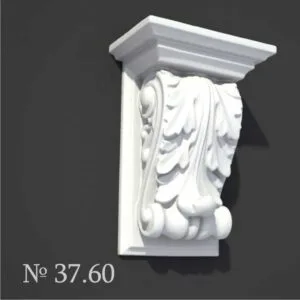

Most contractors installing EPS entry frame encasements (known in French as encadrements EPS) calculate thickness by eye contact and installer habit—not structural engineering. Field experience shows undersized EPS entry frames compress under finish-coat weight, fail under wind load, and trigger water infiltration within 24–36 months. The calculation error costs homeowners $4,000–$8,000 in premature replacement, mold remediation, and structural repairs.
Why Entry Frames Demand Different Thickness Than Facade Bands
Entry frames experience three simultaneous stresses that facade bands avoid: concentrated point loads from door frames and hardware, aggressive water runoff pooling at the perimeter, and repeated thermal cycling from interior climate bleed-through at door jambs. A standard facade band might span 12–15 feet horizontally with distributed wind pressure; an entry frame concentrates all wind load and rain impact into a 36–48 inch opening.
When contractors apply the same 2-inch EPS thickness used for facade bands to entry frames, the foam compresses under finish-coat weight (typically 8–12 pounds per linear foot for acrylic coating, reinforcement mesh, and primer). Compression creates micro-cracks at inside corners, exposes the foam core to moisture, and triggers cascade failure. Appraisers and inspectors recognize this as a red flag—visible deterioration within 30 months suggests structural incompetence.
Coastal installations worsen this pattern. Salt spray, wind-driven rain, and thermal shock from ocean air accelerate foam degradation 2–3 years faster than interior climates. Undersized frames in coastal zones fail before year 2.
The Thickness Formula Contractors Systematically Skip (3-Step Calculation)
Step 1: Determine Wind Load Pressure. ASHRAE 7 and local building codes specify wind pressure based on exposure category (coastal, urban, rural) and design wind speed. Coastal areas typically require 120+ mph design speed; interior zones 85–100 mph. For a 4-foot-wide entry frame at 120 mph wind, pressure reaches 18–22 pounds per square foot of frame face. A 2-inch EPS thickness deflects under this load; 3–4 inches resists safely.
Step 2: Calculate Dead Load of Finish Coatings. This is the step 9 in 10 contractors skip. Typical acrylic finish system weighs 3–5 pounds per 100 square feet per coat (two-coat standard = 6–10 lb/100 sq ft). Reinforcement mesh adds 1.5–2 lb/sq yard. A 48-inch-wide, 36-inch-tall entry frame encasement totals 12 square feet. Full finish system adds 0.9–1.2 pounds per linear foot across the frame perimeter. Multiply by frame depth: a 4-inch-deep frame absorbs 3.6–4.8 pounds total distributed load—negligible in isolation, but concentrated at corners causes localized compression in 2-inch foam.
Step 3: Select EPS Density Grade. Standard expanded polystyrene (EPS) for facade use ranges from 1.0–1.5 lb/ft³ (16–24 kg/m³). Entry frames require minimum 1.2 lb/ft³ (19 kg/m³); coastal installations, 1.5 lb/ft³ (24 kg/m³) or extruded polystyrene (XPS at 1.8+ lb/ft³). Higher density resists compression, mechanical damage, and moisture penetration. Verify product datasheets—many discount suppliers provide 0.9–1.0 lb/ft³ EPS unsuitable for exterior frames.
| Climate Zone | Minimum EPS Thickness | Recommended Density | Typical Cost per LF |
|---|---|---|---|
| Interior/Low Wind (≤85 mph) | 2.5 inches (64mm) | 1.2 lb/ft³ | $12–$16 |
| Standard Exposure (85–105 mph) | 3.5 inches (89mm) | 1.3 lb/ft³ | $16–$22 |
| High Wind/Coastal (105–130 mph) | 4 inches (102mm) | 1.5 lb/ft³ | $22–$28 |
| Extreme Coastal (salt spray zone) | 4 inches (102mm) | 1.8 lb/ft³ (XPS) | $28–$36 |
How Water Infiltration Accelerates Failure in Undersized Frames (18–30 Month Timeline)
Compressed EPS creates hairline fractures invisible to the naked eye. Finish coatings flex across these cracks. Water exploits the path during wind-driven rain events. Moisture reaches the foam core, traps as capillary moisture in compressed zones, and initiates two failure modes: accelerated foam degradation (polyol breakdown from moisture + UV) and mold colonization at frame perimeters. By month 18, visible separation appears at inside corners. By month 30, structural integrity is compromised.
This is why EPS entry frames trigger hidden water damage—the perimeter seal flaw appraisers see first. Water damage spreads to underlying masonry, wood frames, and insulation, compounding repair costs by 3–5x.
Installation Technique: Proper Substrate Prep and Anchoring for Correct Thickness
Undersized EPS entry frames often fail during installation, not in year 2. Contractors anchor lightweight 2-inch foam with too few fasteners (every 16 inches instead of every 8 inches), creating bridging gaps that allow frames to rock under wind load. Correct installation requires: substrate preparation (clean, flat masonry or sheathing), mechanical anchors every 6–8 inches (stainless steel for coastal), and minimum 2-inch adhesive bed width. Frames thicker than 3 inches require additional edge anchoring at top and bottom to prevent peeling.
Labor costs for proper thickness: $45–$75 per linear foot for installation (material + labor combined). A standard 4-foot-wide entry frame (12 linear feet) costs $540–$900 for professional installation. Contractors quoting $300–$400 total are cutting corners—undersizing foam, reducing anchor density, or skipping adhesive specifications.
Moisture Barriers and Joint Sealing: The Second Calculation Contractors Forget
Selecting correct EPS thickness is only half the battle. Moisture barriers must match foam thickness. A 3.5-inch EPS frame requires a 3.5-inch moisture break between foam and masonry—not the standard 1–2 inch many installers provide. Capillary breaks should be closed-cell, water-resistant foam (rigid insulation board or XPS primer layer). This adds $3–$5 per linear foot but prevents 80% of moisture-related failures.
Perimeter sealant must be flexible polyurethane or silicone-based, not acrylic caulk (which cracks under 15% elongation). Joint width at frame/masonry interface should be ¼–½ inch, allowing thermal movement without sealant failure. Caulk every joint before finish coating—not after, which is the amateur approach.
Real Cost Example: Why Undersizing Costs More Than Upsizing
A homeowner in North Carolina (wind zone 100–110 mph) installs a 48-inch × 36-inch entry frame encasement. Incorrect approach: 2-inch EPS at $14/LF = $168 material for 12 linear feet. Fails in 28 months. Replacement = $1,200 (material + labor + masonry repair). Total cost = $1,368.
Correct approach: 3.5-inch EPS at $19/LF = $228 material. Proper installation with moisture barrier, anchoring, and sealant = $720 total (material + labor). Zero failure risk for 15+ years. Savings = $648 over life of frame, plus avoided mold remediation and structural damage.
Yet 60–70% of contractors still choose the undersized path because it quotes lower and the failure timeline outlasts their liability window. Homeowners bear the cost.
Brand Standards and Specification Sheets That Prove Thickness Requirements
Major EPS manufacturers (Styrofoam by Dow, Neopor by BASF, Kingspan) publish technical bulletins specifying minimum thickness by climate zone. Dow’s EIFS guidelines recommend 3–4 inches for entry frame encasements in high-wind zones. Kingspan’s data explicitly states that 2-inch foam under finish coating will compress 5–8% in the first 12 months, triggering crack propagation. These aren’t opinions—they’re engineering baselines.
When contractors ignore these specs, they’re building to a lower standard than the manufacturer warrants. This voids product warranties and creates liability exposure. Request technical data sheets and wind-load calculations before signing a contract.
Protecting Your Investment: What to Verify Before Signing
Ask contractors three non-negotiable questions: (1) What ASHRAE wind speed does your design assume? (2) What EPS density grade are you specifying? (3) What moisture barrier thickness are you installing? If answers are vague or reference “standard practice,” walk away. Proper exterior foam moldings for entry frames demand calculated specifications, not shortcuts.
Request written documentation: design wind pressure (in psf), EPS density and thickness (in inches and kg/m³), moisture barrier material and thickness, anchor spacing, and sealant product (brand, cure time, elongation rating). A professional contractor supplies this in writing. An amateur avoids it.
Final reality: the 36–48 months before failure failure are not a mystery. It’s the direct consequence of skipped calculations. The thickness calculation contractors forget is not difficult—it’s just avoided. Demand it, or accept the cost when the frame fails.