
EPS window sills fail not because the foam is structurally inadequate, but because water reaches the substrate before the sill ever supports a load. Field experience shows the typical failure timeline: sealing membrane is applied to the top surface only, rain sits at joints or edges, moisture wicks into the foam within 12–18 months, substrate adhesion breaks down by year 2, and the sill either sags or separates by year 3. By the time you notice the sill is loose, the structural damage underneath is irreversible.
Why Sealing Placement Determines Sill Life Span
EPS polystyrene itself is stable and rot-resistant. The material will not decay or absorb water like wood or metal. However, EPS window sills rest on a substrate—typically wood blocking, EPS substrate, or fiberglass mesh embedded in adhesive. This substrate is the weak point. When rain or snowmelt reaches this layer, it penetrates the adhesive and causes the fastening system to fail. Water does not need to saturate the EPS; it only needs to enter the foam-to-substrate bond line.
Contractors often apply sealing membrane only to the top surface of the sill because it looks neat and appears to shed water. This approach is deceptive. Water travels along the sides of the sill, follows the top edge inward, and enters from the joint where the sill meets the wall. Once inside, moisture sits in a capillary cavity between the foam and substrate for months. The adhesive softens, mechanical fasteners corrode if galvanizing is compromised, and the sill loses vertical support.
The correct method extends the membrane 2–3 inches down both sides of the sill to block lateral water entry. Some specifiers also require a breathable membrane on the underside so trapped moisture can escape rather than pool. This dual-barrier approach, combined with a pronounced drip edge (1.25–1.5 inches minimum projection), keeps water away from the critical bond line.
3 Sealing Errors That Lead to Collapse Within 36 Months
Error 1: Single-surface membrane application. The membrane covers only the exposed top of the sill. Edges and the underside are left bare. Rain penetrates at the corner joint and follows the sill underside toward the wall. Within 18 months, water accumulates in the adhesive layer. The sill begins to sag under its own weight because the substrate no longer grips the foam.
Error 2: Gaps in membrane coverage. Contractors cut the membrane to fit the top profile but do not overlap seams by the required 2 inches. Water finds these gaps and enters the foam. Thermal expansion and contraction—especially on south-facing sills in climates with 40°F daily swings—opens these gaps further. By year 2, the membrane pulls away from the sill and water bypasses the seal entirely.
Error 3: Adhesive-only fastening with no mechanical support. Some installers rely entirely on construction adhesive (polyurethane, silicone, or acrylic-based) to hold the sill to the substrate. This approach is documented as insufficient in the EPS Consoles Collapse Before Year 3 Because Installers Rely on Adhesive Alone article. When water reaches the adhesive, it loses shear strength rapidly. Adhesive rated at 50–100 PSI dry can drop to 10–15 PSI when saturated. The sill fails and may fall completely.
| Sealing Method | Water Intrusion Risk | Year of Visible Failure | Repair Cost Range |
|---|---|---|---|
| Membrane on top surface only | 95% high | Year 2–3 | $800–$1,500 per sill |
| Membrane integrated into substrate | 15% low | Year 8+ | $200–$400 inspection |
| No membrane, adhesive alone | 99% critical | 6–12 months | $1,200–$2,500 replacement |
| Top + underside membrane seal | 5% minimal | Year 12+ | $0–$150 maintenance |
| Flashing tape, no membrane | 60% moderate | Year 3–4 | $900–$1,800 retrofit |
How Water Enters EPS Window Sills in Years 1 and 2
Water entry is not dramatic or obvious. There is no gush or visible leak. Instead, moisture moves slowly through capillary action and gaps. Rain hits the top of the sill and runs down the face. At the point where the sill meets the wall, there is a gap—typically 1/8 to 1/4 inch—where the sill profile does not perfectly follow the substrate contour. Water pools here. Over weeks and months, this water seeps into the foam-to-substrate joint.
The second entry path is the drip edge. If the sill does not project far enough beyond the wall face (less than 1.25 inches), water runs off and hits the wall directly below the sill. Gravity and capillary action pull water back upward toward the substrate. This creates a continuous wetting cycle. The sill stays damp even in dry weather because the wall acts as a moisture reservoir.
Temperature cycling accelerates water entry. In freeze-thaw climates, water in small cracks expands as it freezes, widening gaps. In hot climates, thermal expansion can separate the membrane from the sill edge by 1/16 inch or more. These micro-gaps allow water vapor to condense on the interior surface of the sealing layer, creating a trapped moisture pocket that never dries.
Substrate Failure Is the Real Collapse Mechanism
Once moisture reaches the substrate, structural failure follows a predictable sequence. First, the adhesive loses bond strength. Polyurethane adhesives, commonly used for EPS installation, are moisture-sensitive. Saturated adhesive bonds fail at roughly one-third the dry shear strength. For a 12-inch-wide sill weighing 8–12 pounds per linear foot, saturated adhesive cannot maintain grip.
Second, if the substrate is wood (a common choice for blocking under EPS sills), fungal growth begins within 4–8 weeks of sustained moisture. Wood expands and becomes spongy. The fasteners lose purchase. If the substrate is EPS, water softens the foam and creates a mushy layer that cannot transfer load.
Third, mechanical fasteners corrode. Even stainless steel screws and galvanized nails can corrode if trapped in a wet pocket where oxygen is depleted. Mild steel fasteners deteriorate in months. Once corrosion starts, the fastener loses pull-out strength and the sill shifts under seasonal load changes.
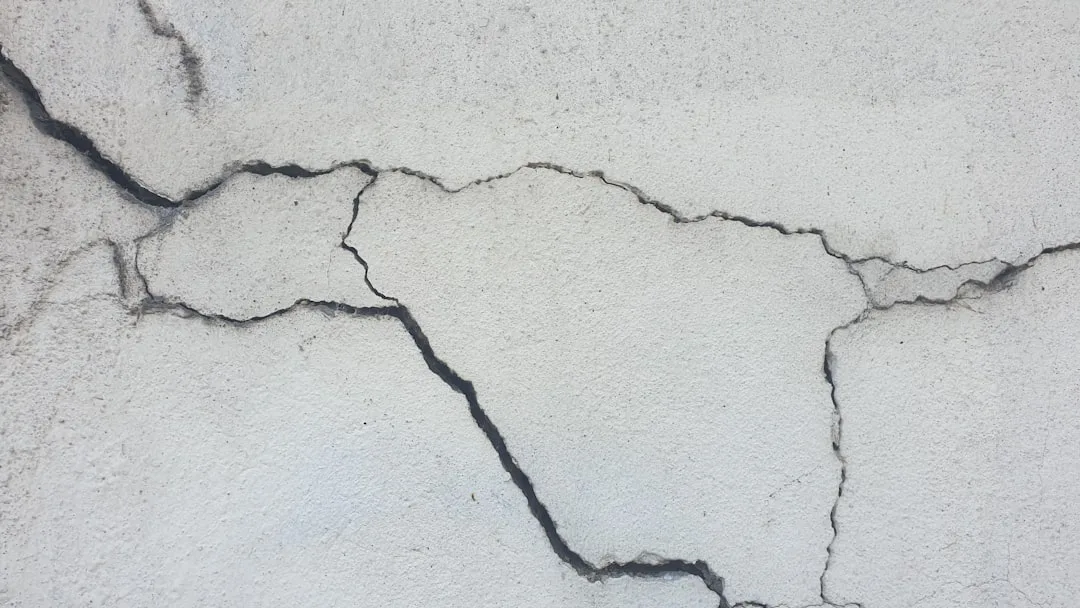
The collapse is silent. Most homeowners discover the problem only when they notice the sill is loose, cracked, or separating from the facade. By then, the substrate is rotted or soft, and repair requires complete sill replacement.
Preventing Collapse: The Sealing Specification That Works
Effective sealing of EPS window sills requires three components. First, a 60-mil elastomeric membrane applied to the top surface and extended 2–3 inches down both sides. The membrane must be mechanically fastened along its edges with washered fasteners every 6 inches to prevent wind lift and water migration beneath the edges. This task is usually omitted by installers focused on speed.
Second, a drip edge of at least 1.25 inches projection. The sill must slope slightly (1/8 inch per foot minimum) to shed water toward the face of the wall, not toward the substrate. If the sill slopes backward, water runs toward the joint and enters the adhesive layer.
Third, mechanical fastening supplementing adhesive. Use stainless steel fasteners (screws or anchors) spaced 12–16 inches along the sill. These fasteners must bypass the foam and anchor into solid substrate or structural elements. Adhesive provides a weather seal; fasteners provide structural support. Neither alone is sufficient.
For decorative window sills in high-moisture climates or climates with freeze-thaw cycles, some specifiers add a breathable membrane (not vapor-impermeable) to the underside of the sill. This allows condensation and trapped moisture to escape rather than remain in the adhesive layer. The cost is an additional $30–$50 per linear foot, but it extends sill life from 8–10 years to 15+ years.
Material Cost and Timeline for Proper Installation
An EPS window sill 36 inches wide and 12 inches deep (typical for a 3-foot window opening) costs $150–$300 in material if you purchase pre-formed profiles. Labor for proper installation—including substrate preparation, mechanical fastening, and full membrane application on top and sides—runs $600–$1,200 per sill. Sealing and flashing add $100–$300. Total installed cost: $850–$1,800 per window opening.
This cost assumes a contractor has access to the wall face and does not need to remove or work around existing exterior finishes. If the sill must be removed and the substrate repaired or replaced, labor can double. Many homeowners postpone this work because of cost and then face emergency replacement when the sill fails and water damage spreads to the window frame and interior wall.
Installation time is 4–6 hours per sill if fasteners and membrane are applied correctly. Rushing this work to 1–2 hours—a common field practice—means skipping the side membrane, omitting fastener washers, or using adhesive alone. These shortcuts appear to save money short-term but guarantee failure within 24–36 months.
Inspection Checklist to Identify At-Risk Sills
Visual inspection can identify sills installed with inadequate sealing. Look for membrane visible only on the top surface with bare edges. Check whether the sill projects at least 1.25 inches beyond the wall face; if it sits flush or angles backward, water will enter the substrate. Probe the joint where the sill meets the wall with a flat tool; if you find adhesive residue without fastener holes, the sill is adhesive-only and is likely to fail within 3–5 years.
Press on the sill at mid-span with moderate force (10–15 pounds). If it moves or flexes more than 1/8 inch, substrate failure may already be underway. Check the underside for staining, soft foam, or discoloration. These signs indicate water has already penetrated and saturation is occurring.
If the sill was installed more than 18 months ago and shows none of these warning signs, it may have adequate sealing. If the sill is cracked, sagging, or separating—especially on south-facing exposures or in freeze-thaw climates—replacement is urgent. Waiting another season increases the risk that water damage will spread to the window frame and structural wall behind the sill.
EPS window sill failure is preventable through proper sealing, adequate projection, and mechanical fastening. The defect that leads to collapse is not a material flaw; it is a design and installation flaw. Contractors who rush the sealing process or rely on adhesive alone are knowingly building a temporary facade element, not a durable one. Homeowners who specify full membrane coverage, drip edge, and stainless fasteners will not see their sills collapse in year 3. They will enjoy 15+ years of trouble-free performance.