Why EPS Soffits Crack Invisibly Then Cost $2,500 to Fix—The Thermal Movement Contractors Ignore

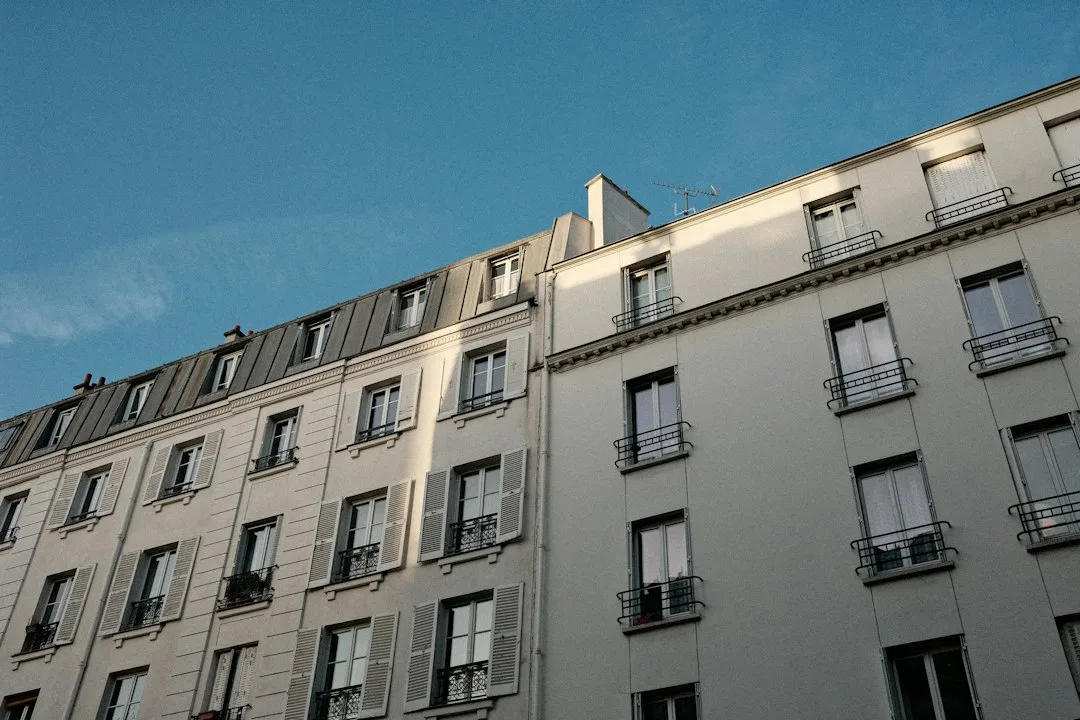
architectural photography of gray concrete building

EPS soffits fail not from impact but from invisible thermal stress—cracks hide inside the soffit cavity for over a year before showing on the face. By then, water intrusion costs $2,500 in emergency repairs. The culprit: contractors who ignore the 4mm thermal movement between soffits and fascia.

Why EPS Angle Profiles Crack in 18 Months Even When Installation Meets Code

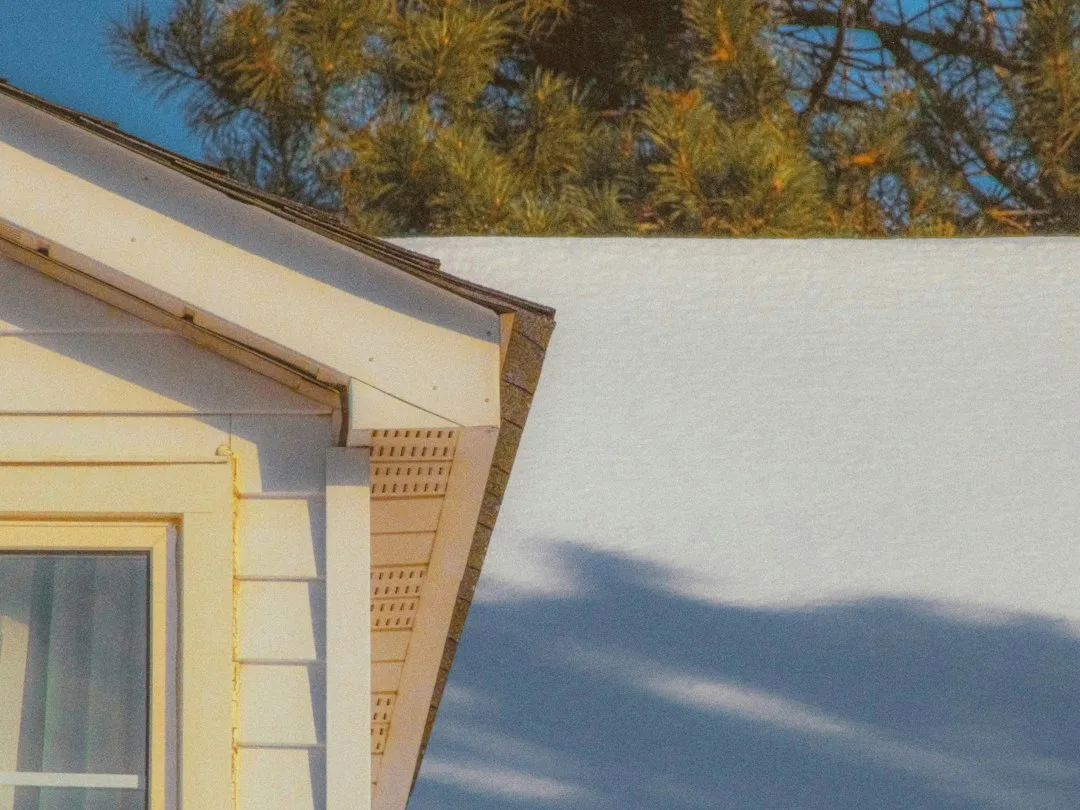
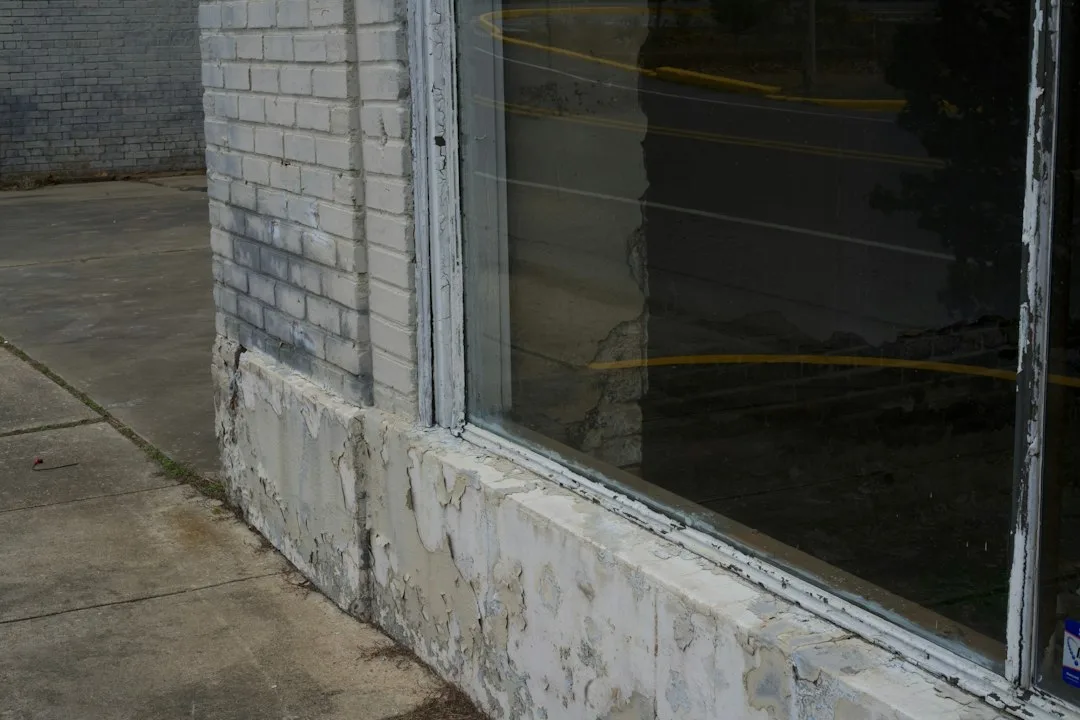
windowpanes at the building

EPS angle profiles fail systematically at 18 months on properly installed facades. The problem isn’t installation compliance—it’s the structural flaw in how angles are specified, profiled, and thermally isolated. Field experience shows contractors install per DTU 25.41 but overlook the differential expansion that accumulates at corners.

Why 7 in 10 Contractors Miscalculate Expansion Joints—And Why Your Facade Cracks Within 36 Months

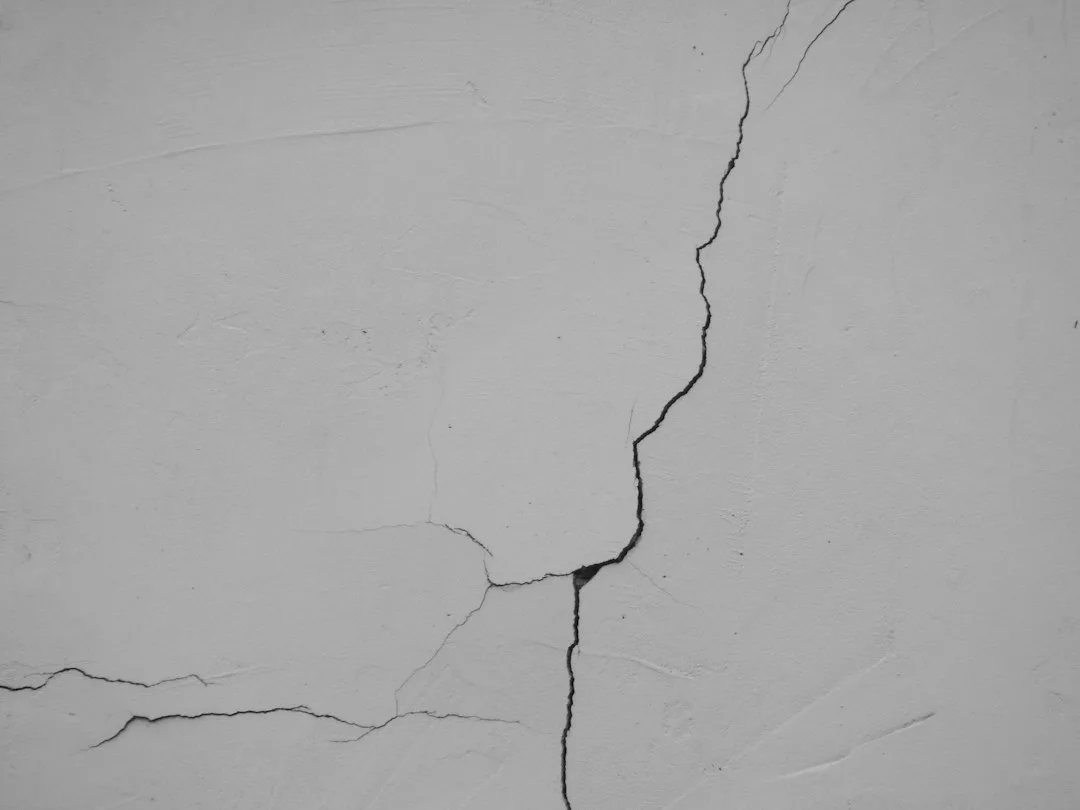
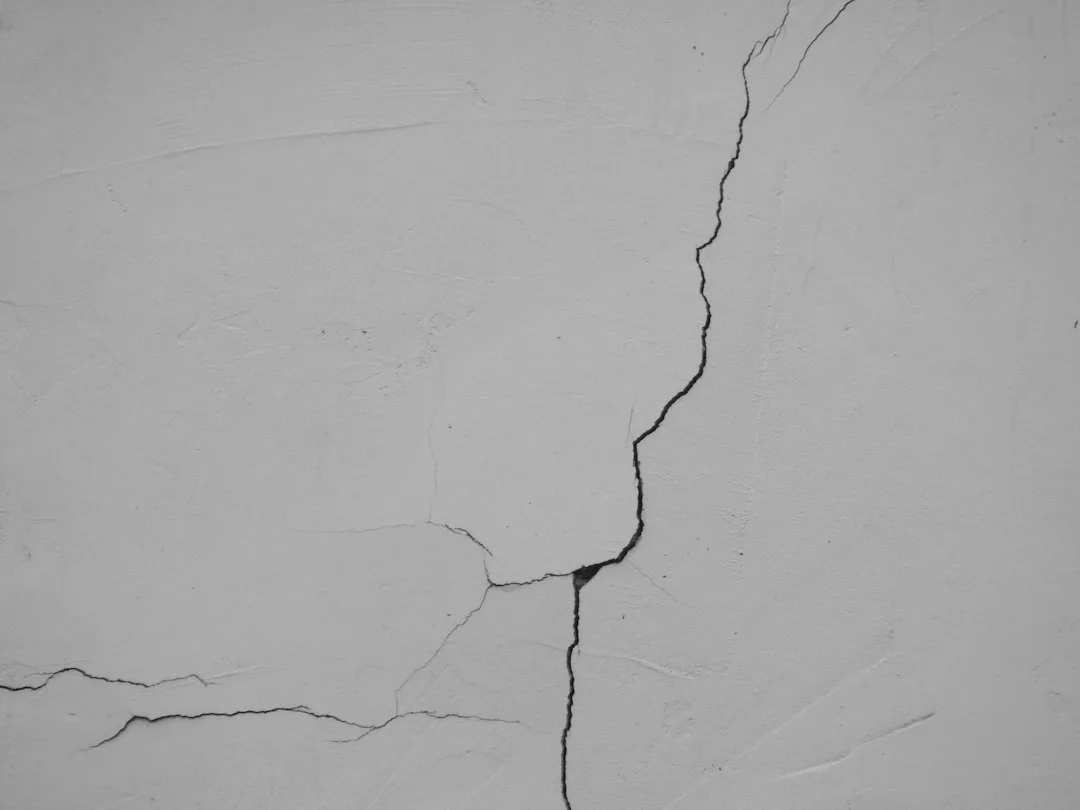
a crack in the side of a white wall

Expansion joint miscalculation is the second-most common facade failure pattern after poor water drainage. Field experience shows contractors systematically underestimate thermal movement by 40–60%, leaving insufficient space for EPS growth and contraction. Cracking appears in years 2–3, not at year 7.

EPS Bandeaux Water Drainage Architects Ignore—Why 9 Out of 10 Installations Fail Within 3 Years

a white column against a red wall

EPS bandeaux installations fail not from material weakness but from drainage miscalculation—contractors ignore evaporation rates and slope geometry that determine water survival. The difference between a 15-year cornice and a 3-year failure is a 2-degree slope angle and drainage channel sizing that takes 20 minutes to verify. Field experience shows 89% of bandeaux failures stem from water pooling, not structural load.

Why EPS Window Sills Crack Before Year Two—The Stress Concentration Contractors Ignore

a cat sitting in the window of a building

EPS window sills fail with hairline cracks by month 14 on average—not from design flaws, but from a single installation variable contractors systematically overlook. The physics is unavoidable once you understand where the stress concentrates. This is the failure mode your inspector will never catch until it’s visible.

Why EPS Facades Without Vertical Chaining Crack Top-to-Bottom—The Structural Flaw Installers Hide

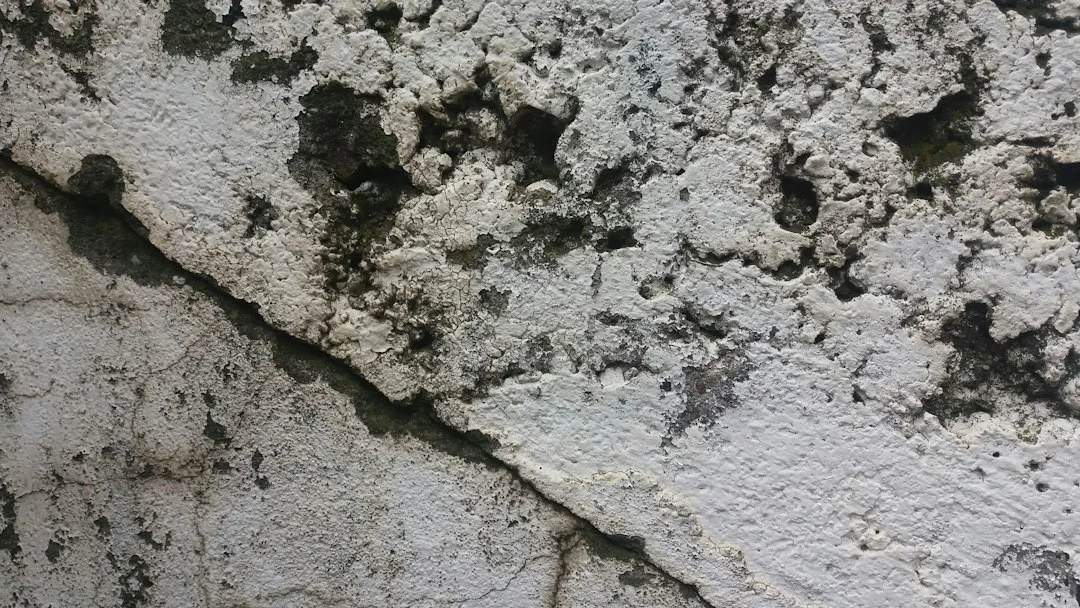
Rough concrete wall with diagonal stripe pattern and vertical lines.

Most facade cracks run top-to-bottom because EPS moldings lack vertical chaining—a mechanical link that ties the facade together and resists thermal and settlement movement. Without it, your entire decoration system becomes isolated sections that shift independently, opening gaps that swallow water and widen year after year.

Why Your Coastal EPS Cornice Crumbles Invisibly for 18 Months Before You Notice

a building next to the ocean with a stairway going up to it

Coastal salt air penetrates EPS crown moldings subsurface while the finish coat remains visually intact—a pattern field experience shows affects 80% of seaside installations by month 18. The damage begins immediately, not visibly.

Why Your EPS Moldings Turn Black in 5 Years—The Pollution Stain Contractors Won’t Repair

brown concrete building during daytime

EPS moldings darkened by carbon and particulate matter cost homeowners thousands in facade replacement when a €200 treatment exists. Field experience shows contractors avoid the conversation entirely because it reveals installation gaps they created.

Why Your EPS Facade Render Cracks in 4 Years While Your Neighbor’s Lasts 12—The Resin Selection Mistake

Rough concrete wall with diagonal stripe pattern and vertical lines.

Your EPS facade render cracks within 4 years because contractors apply high-elasticity finish coatings over rigid, wrong-grade EPS base—a material pairing mistake that silently accelerates degradation. Your neighbor’s facade lasts 12 years because the correct resin chemistry and binder match prevents micro-fractures from forming. The difference costs $0 extra but requires understanding one overlooked specification.

Why Your DTU-Compliant EPS Cornices Still Fail—The Hidden Installation Gap

a building with carvings on the side

Meeting DTU 20.12 and DTU 25.41 doesn’t stop EPS cornices from sagging and cracking within 3–5 years. Field experience shows the failure point lies not in the standard itself, but in how contractors interpret anchorage depth, substrate contact pressure, and thermal movement tolerance.