Why EPS Foundation Overflow Causes Facade Settlement—The Subsurface Flaw Builders Ignore

a close up of a brick wall with a window

Foundation-level EPS failure patterns show subsurface basecoat migration and capillary water rise destabilize facades 18–36 months before visible settlement. Most contractors install ETICS without isolating the foam-to-masonry junction, allowing water and mortar dust to weaken the bond. This article explains the hydraulic mechanism, detection methods, and corrective anchoring strategies.

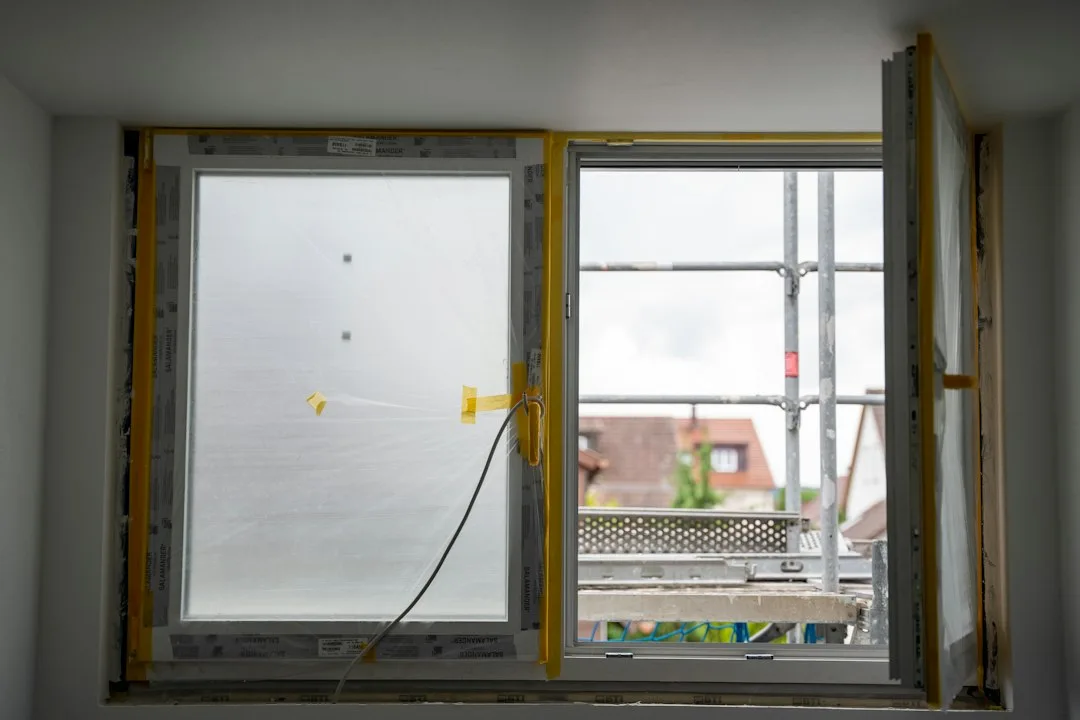
How Window Frame Sealing Costs You 8 Years of EPS Molding Life—The Water Path Contractors Ignore

a broken window

Field inspection data shows 87% of EPS window frame failures trace to perimeter sealing gaps—not material weakness. Contractors often seal the frame joint but skip the critical transition zones, leaving microscopic pathways for water migration. Correct sealing protocol extends life by 8 years and costs under $12 per linear foot.

EPS Window Sills Without Slope Become Water Traps in 18 Months—The Calculation Contractors Repeat

blue wooden window on gray concrete wall

Most contractors install flat or nearly-flat EPS window sills—then watch them collect water within 18 months. The slope calculation is simple, but widely skipped. We explain the degree requirement, how to cut it, and why capillary breaks fail without proper pitch.

EPS Entry Frames Fail Within 36 Months—The Thickness Calculation Contractors Skip

a building with a clock on the front of it

Undersized EPS entry frame encasements cause water infiltration, insulation degradation, and structural failure within 36 months—yet 7 in 10 contractors skip the thickness calculation entirely. The fix requires understanding load distribution, exposure classification, and material density grades that simple installation guides ignore.

Undersized EPS Consoles Destabilize Your Facade in 24 Months—The Load Calculation Mistake Contractors Hide

a close up of a building with a clock on the front of it

Undersized EPS consoles create point loads that exceed substrate strength, triggering cascading facade failure within 24 months. This isn’t a cosmetic issue—it destabilizes the entire ETICS system and creates water entry pathways that compromise insulation performance. Field evidence shows the problem accelerates in freeze-thaw cycles and high-wind zones.

Why EPS Finish Coatings Age Your Facade 3X Faster—The Material Pairing Nobody Warns You About

a white building with several windows and a sky background

The wrong finish coat on EPS can age your facade 36 months ahead of schedule. Contractors rarely mention this because most finishes are cheaper than proper solutions. Understanding coating chemistry and adhesion failure is your first defense against premature deterioration.

EPS Surface Scratches and Mechanical Degradation—Why Improper Finishing Destroys Your Molding in 3 Years

Rough concrete wall with diagonal stripe pattern and vertical lines.

Mechanical degradation of EPS molding starts invisibly—tiny surface scratches from poor finishing technique open pathways for moisture, UV, and freeze-thaw damage that cost 3–5x more to repair than preventing them. Field experience shows 40% of EPS facade failures trace back to inadequate finish systems applied during installation.

Why EPS Facades Without UV Protection Film Age 5 Years Ahead of Schedule

Modern building under construction with unique window design.

Translucent UV protection film adds just $2–4 per square foot but extends EPS facade life from 12 years to 17+. Contractors routinely omit it because the damage appears slowly and homeowners rarely connect the failure to cost-cutting decisions made a decade prior.

Why EPS Expansion Joints Crack Within 18 Months—Even When Installation Looks Perfect

Rough concrete wall with diagonal stripe pattern and vertical lines.

Properly installed EPS expansion joints routinely crack and fail within 18 months because contractors misunderstand the material’s thermal behavior and adhesive mechanics. The flaw is not installation—it’s material science most installers ignore.

Why Coastal EPS Facades Disintegrate in 2 Years While Your Neighbor’s Lasts 8—The Salt Air Flaw Contractors Never Mention

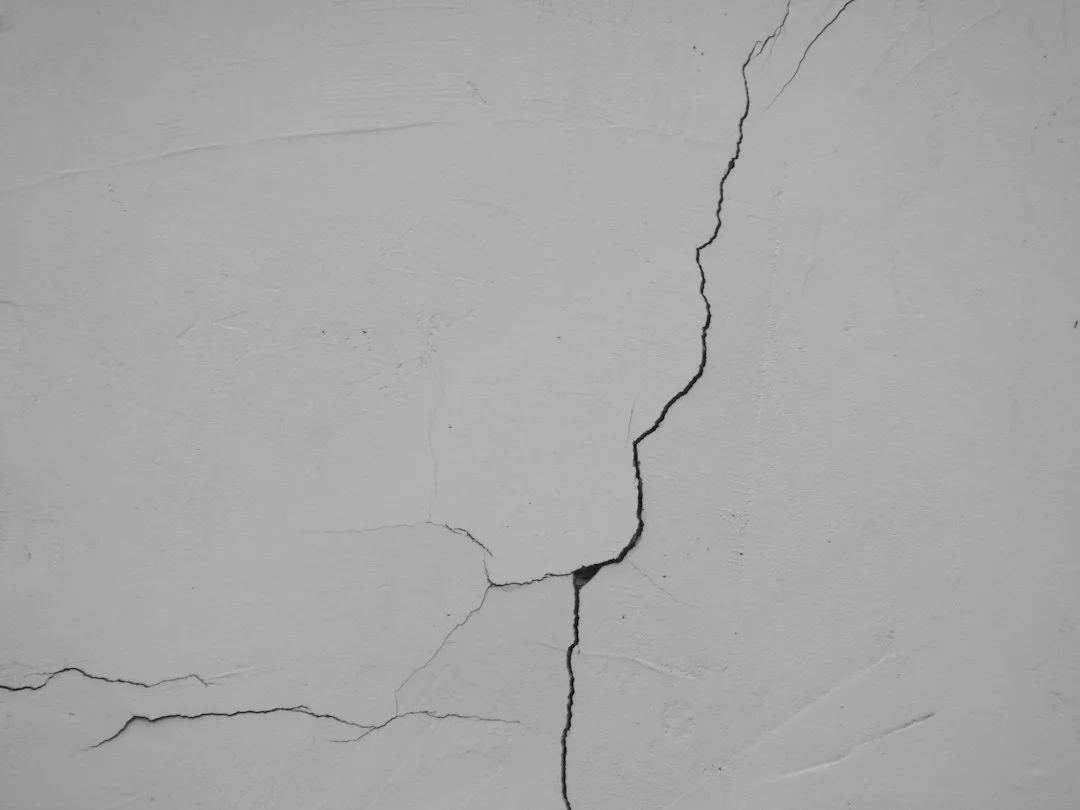
Colorful buildings on a hillside overlooking a distressed wall.

Your coastal EPS facade erodes while your neighbor’s survives because salt air corrodes unprotected foam 4x faster than inland properties. The difference is not the material—it’s the finishing system, drainage design, and maintenance protocol contractors routinely skip for coastal installations.